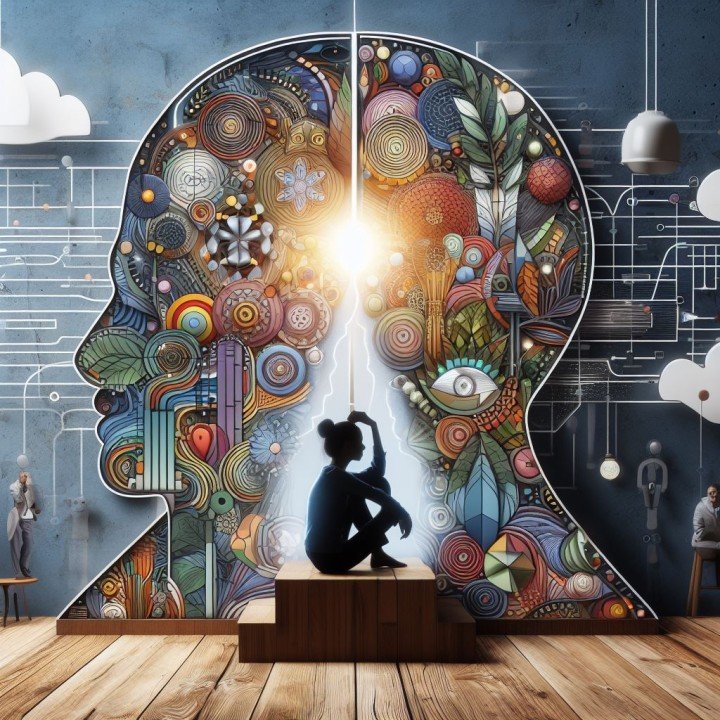
Figure 1: Modern mental health encompasses multiple dimensions of wellbeing and various support strategies.
Introduction: Why This Matters
Mental health represents one of the most critical yet misunderstood aspects of human wellbeing in our contemporary society. More than just the absence of mental illness, mental health encompasses our emotional, psychological, and social wellbeing—affecting how we think, feel, act, handle stress, relate to others, and make choices. In an era characterized by rapid technological change, social fragmentation, and global uncertainty, understanding and prioritizing mental health has never been more vital for individuals, communities, and societies at large.

The statistics are both staggering and illuminating: according to the World Health Organization, depression is now among the leading causes of disability worldwide, while anxiety disorders affect millions globally. The economic impact of poor mental health costs the global economy approximately $1 trillion annually in lost productivity. Yet, despite these compelling numbers, stigma and misinformation continue to prevent millions from seeking help. This comprehensive guide from The Daily Explainer’s Science and Health section aims to demystify mental health, providing evidence-based information, practical strategies, and hope for anyone seeking to improve their psychological wellbeing or support others in their journey.
Part 1: Background and Context – The Evolution of Mental Health Understanding
The conceptualization and treatment of mental health have undergone dramatic transformations throughout human history, reflecting broader cultural, scientific, and philosophical shifts.
Ancient and Pre-Modern Era (Pre-18th Century)
Ancient civilizations often attributed mental distress to supernatural forces, moral failings, or physical imbalances. Treatments ranged from spiritual rituals to brutal physical interventions. The Middle Ages saw the rise of asylums, which primarily served to segregate rather than treat individuals with mental health conditions.
Moral Treatment and Asylum Reform (18th-19th Centuries)
The Enlightenment brought more humane approaches, with pioneers like Philippe Pinel and William Tuke advocating for “moral treatment” that emphasized dignity, routine, and meaningful activity. However, the massive state-run asylums that emerged often became overcrowded and ineffective.
The Rise of Modern Psychiatry (Late 19th-20th Century)
Sigmund Freud’s psychoanalytic theories revolutionized understanding of the unconscious mind, while Emil Kraepelin developed systematic classification of mental disorders. The mid-20th century saw the advent of psychotropic medications, enabling many to manage symptoms and live in communities.
Deinstitutionalization and Community Care (Late 20th Century)
The 1960s-1980s witnessed the large-scale closure of psychiatric hospitals and a shift toward community-based care. This period also saw the emergence of various therapeutic approaches beyond psychoanalysis, including cognitive-behavioral, humanistic, and family systems therapies.
Integrative and Digital Mental Health (21st Century)
Today, we recognize mental health through a biopsychosocial lens that integrates biological, psychological, and social factors. The digital revolution has brought teletherapy, mental health apps, and AI-driven interventions, making support more accessible than ever before.
Part 2: Key Concepts Defined
Understanding mental health requires familiarity with these foundational concepts:
Mental Health
A state of wellbeing in which an individual realizes their own abilities, can cope with normal stresses of life, can work productively, and is able to make contributions to their community.
Mental Illness
Health conditions involving changes in emotion, thinking, or behavior (or a combination of these) associated with distress and/or problems functioning in social, work, or family activities.
Resilience
The process and outcome of successfully adapting to difficult or challenging life experiences, especially through mental, emotional, and behavioral flexibility.
Stigma
Negative attitudes and beliefs that motivate the general public to fear, reject, avoid, and discriminate against people with mental health conditions.
Trauma
An emotional response to a terrible event like an accident, rape, or natural disaster. Longer-term reactions include unpredictable emotions, flashbacks, strained relationships, and physical symptoms.
Cognitive Behavioral Therapy (CBT)
A common type of talk therapy that helps patients become aware of inaccurate or negative thinking so they can view challenging situations more clearly and respond to them more effectively.
Mindfulness
The basic human ability to be fully present, aware of where we are and what we’re doing, and not overly reactive or overwhelmed by what’s going on around us.
Neuroplasticity
The brain’s ability to change and adapt throughout life by forming new neural connections in response to experience, learning, or injury.
Part 3: How It Works: The Framework of Mental Health (Step-by-Step)
Understanding mental health requires examining its multidimensional nature through a systematic framework:
Step 1: Biological Foundations
The physical basis of mental functioning includes:
- Neurochemistry: The balance of neurotransmitters like serotonin, dopamine, and norepinephrine that regulate mood, motivation, and cognition
- Brain Structure: The physical architecture of the brain, including the prefrontal cortex (decision-making), amygdala (emotion), and hippocampus (memory)
- Genetics: Inherited vulnerabilities and protective factors that influence mental health conditions
- Physical Health: The bidirectional relationship between physical and mental health, where each influences the other
Step 2: Psychological Processes
The mental and emotional mechanisms that shape our experience:
- Cognitive Patterns: Automatic thoughts, core beliefs, and thinking styles that influence emotional responses
- Emotional Regulation: The ability to understand, manage, and respond to emotional experiences in adaptive ways
- Coping Strategies: Both healthy (problem-solving, seeking support) and unhealthy (avoidance, substance use) ways of managing stress
- Self-Concept: How we perceive ourselves, including self-esteem, self-efficacy, and identity
Step 3: Social and Environmental Contexts
The external factors that significantly impact mental wellbeing:
- Social Support: The quality and quantity of relationships with family, friends, and community
- Socioeconomic Factors: Income, education, employment, and housing stability
- Cultural Influences: Cultural norms, values, and expectations regarding mental health and help-seeking
- Environmental Stressors: Work pressure, discrimination, trauma exposure, and access to green spaces
Step 4: Developmental Considerations
How mental health evolves across the lifespan:
- Early Life Experiences: Attachment patterns, childhood trauma, and early social experiences
- Adolescent Development: Identity formation, peer relationships, and academic pressures
- Adult Transitions: Career development, relationships, parenting, and midlife adjustments
- Aging Process: Retirement, physical health changes, loss, and meaning-making in later life
Step 5: Intervention and Support Systems
The various pathways to improving mental health:
- Self-Help Strategies: Exercise, sleep hygiene, mindfulness, and stress management techniques
- Professional Support: Therapy, medication, and other clinical interventions
- Social Interventions: Support groups, community programs, and workplace initiatives
- Crisis Resources: Hotlines, emergency services, and safety planning for acute situations
For a deeper understanding of how technology is transforming healthcare delivery, explore our guide to AI in Healthcare.
Part 4: Why It’s Important – The Far-Reaching Impact of Mental Health
The significance of mental health extends far beyond individual suffering, affecting every aspect of society:
1. Individual Wellbeing and Quality of Life
Good mental health enables people to realize their potential, work productively, cope with life stresses, and contribute to their communities. It forms the foundation for meaningful relationships, personal growth, and overall life satisfaction.
2. Physical Health Outcomes
The mind-body connection is powerful and bidirectional. According to research from the American Psychological Association, chronic mental health conditions can increase risk for physical health problems including cardiovascular disease, diabetes, and immune system suppression.
3. Economic Productivity and Healthcare Costs
Mental health conditions cost the global economy approximately $1 trillion annually in lost productivity. Effective treatment can yield a 4:1 return on investment through improved health and productivity outcomes.
4. Educational Achievement
Mental health directly impacts cognitive functions essential for learning, including concentration, memory, and executive functioning. Students with better mental health tend to have better academic outcomes and higher educational attainment.
5. Social Cohesion and Community Safety
Communities with better mental health resources typically experience lower rates of crime, substance abuse, and social fragmentation. Mental wellbeing supports prosocial behavior and community engagement.
6. Intergenerational Impact
Parental mental health significantly influences child development, attachment security, and the intergenerational transmission of mental health vulnerabilities or resilience.
Part 5: Common Misconceptions About Mental Health
Dispelling myths is crucial for reducing stigma and promoting accurate understanding:
Misconception 1: “Mental Health Problems Are a Sign of Weakness”
Reality: Mental health conditions are medical conditions with biological, psychological, and social causes, not character flaws. They can affect anyone regardless of strength, intelligence, or willpower.
Misconception 2: “Therapy is Only for Serious Problems”
Reality: Therapy can be beneficial for anyone seeking personal growth, better coping skills, or support through life transitions—not just diagnosable conditions.
Misconception 3: “Children Don’t Experience Mental Health Problems”
Reality: Children can and do experience mental health conditions, though they may manifest differently than in adults. Early intervention is crucial for healthy development.
Misconception 4: “Medication is the Only Effective Treatment”
Reality: While medication can be helpful for some conditions, many evidence-based treatments exist, including various forms of therapy, lifestyle changes, and social support.
Misconception 5: “People with Mental Illness Are Violent”
Reality: The vast majority of people with mental health conditions are no more likely to be violent than anyone else. They are actually more likely to be victims than perpetrators of violence.
Part 6: Recent Developments in Mental Health
The field of mental health is rapidly evolving with new research and innovations:
1. Digital Mental Health Solutions
Technology is transforming access to care through:
- Teletherapy platforms making counseling accessible remotely
- Mental health apps for mood tracking, meditation, and coping skills
- AI-powered chatbots providing initial support and screening
- Virtual reality exposure therapy for anxiety disorders
2. Precision Psychiatry
Advances in neuroscience and genetics are enabling more personalized approaches:
- Genetic testing to guide medication selection
- Neuroimaging to identify biological subtypes of disorders
- Biomarker development for early detection and monitoring
3. Integrated Care Models
Healthcare systems are moving toward integrating mental health services into primary care settings, recognizing the interconnection between physical and mental health.
4. Novel Therapeutic Approaches
Emerging treatments showing promise include:
- Psychedelic-assisted therapy for treatment-resistant conditions
- Neuromodulation techniques like TMS and ketamine infusion
- Digital therapeutics with FDA approval for specific conditions
5. Workplace Mental Health Initiatives
Companies are increasingly recognizing their role in employee mental wellbeing, implementing comprehensive programs that go beyond traditional EAPs.
6 Global Mental Health Movement
As detailed in our analysis of Social Movements, mental health advocacy has become a global force, challenging stigma and pushing for policy changes worldwide.
Conclusion & Key Takeaways
Mental health is not a destination but a dynamic process of adaptation and growth throughout life. It requires ongoing attention, self-compassion, and sometimes professional support. By understanding the multifaceted nature of psychological wellbeing, we can better support ourselves and others in navigating life’s challenges.
Key Takeaways:
- Mental Health is Universal: Everyone has mental health, just as everyone has physical health, and both require care and attention.
- Early Intervention Matters: Addressing mental health concerns early can prevent more serious problems and improve long-term outcomes.
- Multiple Pathways to Wellness: Effective mental health care often combines biological, psychological, and social approaches tailored to individual needs.
- Stigma is a Major Barrier: Combating misinformation and shame is essential for ensuring people feel comfortable seeking help.
- Self-Care is Foundation: Basic practices like sleep, nutrition, exercise, and social connection form the bedrock of mental wellbeing.
- Recovery is Possible: With appropriate support and treatment, most people with mental health conditions can experience significant improvement and live fulfilling lives.
- Community Matters: Social support and belonging are protective factors for mental health, highlighting the importance of connected communities.
The journey toward better mental health is both personal and collective. By prioritizing psychological wellbeing in our homes, workplaces, and societies, we create environments where everyone has the opportunity to thrive. For additional resources or to suggest mental health topics for future coverage, please contact our editorial team.
Frequently Asked Questions (FAQs)
Q1: What’s the difference between normal stress and an anxiety disorder?
Normal stress is a temporary response to specific pressures, while anxiety disorders involve persistent, excessive worry that interferes with daily functioning and persists even without an obvious stressor.
Q2: How can I tell if I need professional help for my mental health?
Consider seeking help if your symptoms: persist for weeks, cause significant distress, interfere with work/school/relationships, lead to substance use, or include thoughts of harming yourself or others.
Q3: What’s the difference between a psychologist and a psychiatrist?
Psychologists typically provide therapy and hold doctoral degrees (PhD or PsyD), while psychiatrists are medical doctors (MD or DO) who can prescribe medication and may also provide therapy.
Q4: How long does therapy typically take to show results?
Many people notice some improvement within 6-12 sessions, but the duration depends on the individual, their concerns, the type of therapy, and the therapeutic relationship.
Q5: Are mental health conditions hereditary?
Many mental health conditions have a genetic component, but genes alone don’t determine outcomes. Environmental factors, lifestyle, and coping resources also play significant roles.
Q6: Can lifestyle changes really improve mental health?
Yes. Regular exercise, adequate sleep, balanced nutrition, mindfulness practices, and social connection have all been shown to significantly impact mental wellbeing.
Q7: What should I do if someone I know is experiencing a mental health crisis?
Stay calm, listen without judgment, ensure their immediate safety, encourage professional help, and contact crisis resources if there’s imminent danger. The 988 Suicide & Crisis Lifeline is available 24/7.
Q8: How can I support a loved one with mental health challenges?
Educate yourself, offer non-judgmental listening, avoid giving simplistic advice, encourage professional help, and take care of your own mental health in the process.
Q9: Are online therapy services effective?
Research suggests that teletherapy can be as effective as in-person therapy for many conditions, particularly when provided by licensed professionals through secure platforms.
Q10: What is mental health first aid?
Mental Health First Aid is a training program that teaches skills to help someone who is developing a mental health problem or experiencing a mental health crisis.
Q11: Can children benefit from therapy?
Absolutely. Child therapists use age-appropriate techniques (like play therapy) to help children process emotions, develop coping skills, and address behavioral concerns.
Q12: How does trauma affect mental health long-term?
Trauma can lead to lasting changes in brain function, emotional regulation, and stress response systems, potentially contributing to conditions like PTSD, depression, anxiety, and substance use disorders.
Q13: What are the most effective treatments for depression?
Evidence-based treatments include cognitive behavioral therapy, interpersonal therapy, antidepressant medication, exercise, and for treatment-resistant cases, approaches like TMS or ECT.
Q14: How can workplaces support employee mental health?
Effective strategies include mental health education, reducing stigma, flexible work arrangements, EAP programs, manager training, and creating a psychologically safe environment.
Q15: What is the relationship between physical and mental health?
They are deeply interconnected. Chronic physical conditions can increase risk for mental health problems, and mental health conditions can exacerbate physical health problems through various biological and behavioral pathways.
About The Author



Cool blog.
Yes! Finally something about beef казино.
Yes! Finally someone writes about .
Hi there, I do think your site may be having web browser compatibility problems.
When I take a look at your site in Safari, it looks fine but when opening in I.E.,
it’s got some overlapping issues. I just wanted to give you a quick heads up!
Apart from that, fantastic site!
I am sure this piece of writing has touched all the internet people, its really really pleasant piece of writing
on building up new web site.
I have been browsing on-line greater than three hours as of late, yet I never discovered any
interesting article like yours. It’s beautiful value enough
for me. In my opinion, if all site owners and
bloggers made good content as you probably did, the net can be much more useful than ever before.
Can I simply say what a comfort to uncover somebody that truly understands what they are talking about
online. You definitely understand how to
bring an issue to light and make it important.
More people should look at this and understand this side of the story.
I was surprised you’re not more popular given that you definitely have the gift.
Incredible! This blog looks exactly like my
old one! It’s on a totally different subject but
it has pretty much the same page layout and design.
Excellent choice of colors!
Hey there would you mind letting me know which hosting company you’re using?
I’ve loaded your blog in 3 completely different internet browsers and I must say this blog loads a lot
faster then most. Can you recommend a good web
hosting provider at a honest price? Thanks a lot, I appreciate it!
I visited several blogs except the audio feature for audio songs present at this
web page is truly marvelous.
This is very attention-grabbing, You’re an overly skilled blogger.
I’ve joined your feed and look forward to looking for extra of your excellent
post. Also, I have shared your website in my social networks
I love your blog.. very nice colors & theme. Did you make this
website yourself or did you hire someone to do it
for you? Plz respond as I’m looking to construct my own blog and would
like to find out where u got this from. thanks
It’s an amazing paragraph in favor of all the web visitors; they
will take advantage from it I am sure.
I always emailed this website post page to all my contacts, for the reason that if like to read it afterward
my links will too.
Hey There. I found your blog using msn. This is a very
well written article. I will make sure to bookmark it
and return to read more of your useful information. Thanks
for the post. I will definitely comeback.
Great blog here! Also your website loads up very fast!
What web host are you using? Can I get your affiliate link to your host?
I wish my site loaded up as fast as yours lol
Hiya! I know this is kinda off topic but I’d figured I’d
ask. Would you be interested in exchanging
links or maybe guest writing a blog post or vice-versa?
My blog addresses a lot of the same subjects as yours and I think we could greatly benefit from each other.
If you might be interested feel free to send me an email.
I look forward to hearing from you! Fantastic blog by the way!
I am no longer positive the place you are getting your information, however good topic.
I needs to spend a while studying more or figuring out more.
Thanks for magnificent information I was in search of this
info for my mission.
Hi it’s me, I am also visiting this site daily, this
web page is really pleasant and the users are
in fact sharing nice thoughts.
Hello my friend! I wish to say that this article is amazing, great written and come with approximately all significant infos.
I’d like to see extra posts like this .
finish because the clarity, structure, and passion in your writing
point resonated strongly and was presented beautifully. It is remarkable
What’s up, just wanted to say, I liked this blog
post. It was funny. Keep on posting!
point resonated strongly and was presented beautifully. It is remarkable
Comment 39: This blog post is truly outstanding and provides such a
create an experience that feels both educational and inspiring. Every
You have a real talent for communication.
Your blog is truly becoming a go-to resource.
point resonated strongly and was presented beautifully. It is remarkable
how effectively you communicate your ideas, and this piece genuinely
stands out.
Avia Masters de BGaming es un juego crash con RTP del 97% donde apuestas desde 0,10€ hasta 1.000€, controlas la velocidad de vuelo de un avion que recoge multiplicadores (hasta x250) mientras evita cohetes que reducen ganancias a la mitad, con el objetivo de aterrizar exitosamente en un portaaviones para cobrar el premio acumulado
feg.org.es
Hello, after reading this awesome piece of writing i am
also delighted to share my familiarity here with friends.
Hi there, I desire to subscribe for this web site to obtain most up-to-date updates, therefore where can i do it please help out.
byueuropaviagraonline
Hmm is anyone else experiencing problems with the images on this blog loading? I’m trying to figure out if its a problem on my end or if it’s the blog. Any feed-back would be greatly appreciated.
регистрация рио бет казино
Hi, after reading this awesome article i am too happy to share my experience here with friends.
официальный сайт рио бет казино
compelling, beautifully expressed, and genuinely inspiring to read.
compelling, beautifully expressed, and genuinely inspiring to read.
compelling, beautifully expressed, and genuinely inspiring to read.
Thanks for finally writing about > Mental Health: The Complete Guide to Psychological Wellbeing in the
Modern World – The Daily Explainer < Liked it!
Hi there just wanted to give you a quick heads up. The words in your article seem to be running off
the screen in Safari. I’m not sure if this is a format issue or something to do with
internet browser compatibility but I figured I’d post to let
you know. The layout look great though! Hope you
get the issue resolved soon. Cheers
That is a good tip particularly to those fresh to the blogosphere.
Brief but very precise info… Appreciate your sharing this
one. A must read article!
compelling, beautifully expressed, and genuinely inspiring to read.
Hi there! I just wanted to ask if you ever have any trouble with hackers?
My last blog (wordpress) was hacked and I ended up losing
many months of hard work due to no data backup. Do you have any
methods to prevent hackers?
Hi, I think your website might be having browser compatibility issues.
When I look at your blog in Opera, it looks fine but when opening in Internet Explorer, it has
some overlapping. I just wanted to give you a quick heads up!
Other then that, very good blog!
Hello there! I know this is somewhat off topic but I was wondering if you knew where I could get a captcha plugin for my comment
form? I’m using the same blog platform as yours and I’m having trouble finding one?
Thanks a lot!
I visited many sites except the audio feature for audio songs present
at this web page is actually fabulous.
It’s a pity you don’t have a donate button! I’d definitely donate to this superb blog!
I suppose for now i’ll settle for book-marking and adding your RSS feed
to my Google account. I look forward to new updates and
will talk about this blog with my Facebook group. Talk soon!
Hi there, just became aware of your blog through Google, and found that it is really informative.
I am gonna watch out for brussels. I will be grateful
if you continue this in future. Lots of people will be benefited
from your writing. Cheers!
It’s hard to come by well-informed people in this particular
topic, but you sound like you know what you’re talking about!
Thanks
insight. The clarity, flow, and passion in your writing make the entire
insight. The clarity, flow, and passion in your writing make the entire
compelling, beautifully expressed, and genuinely inspiring to read.
It’s truly very difficult in this active life to listen news on TV, therefore I simply use internet for that reason, and obtain the latest information.
This blog post is exceptional and offers such a refreshing depth of
This blog post is exceptional and offers such a refreshing depth of
This post feels very well structured and keeps the discussion enjoyable while remaining easy for readers to read and enjoy.
Топ идей для хранения вещей
The way this post combines simple explanation, fairness, and a natural conversational style makes it much more enjoyable to read, while also helping readers stay interested in the discussion from the first point to the last without losing focus.
Xxx video onlyfans sex video site