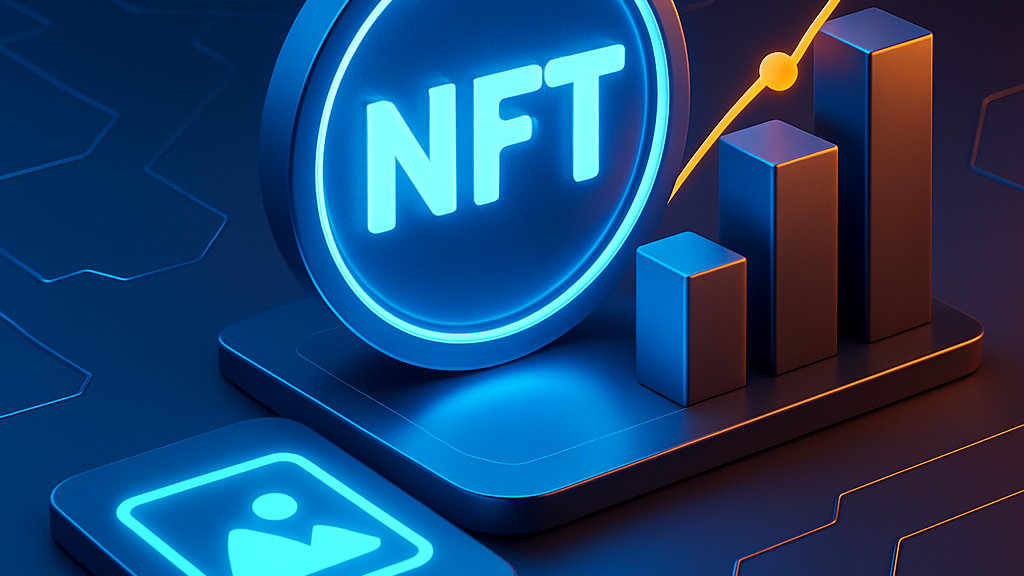
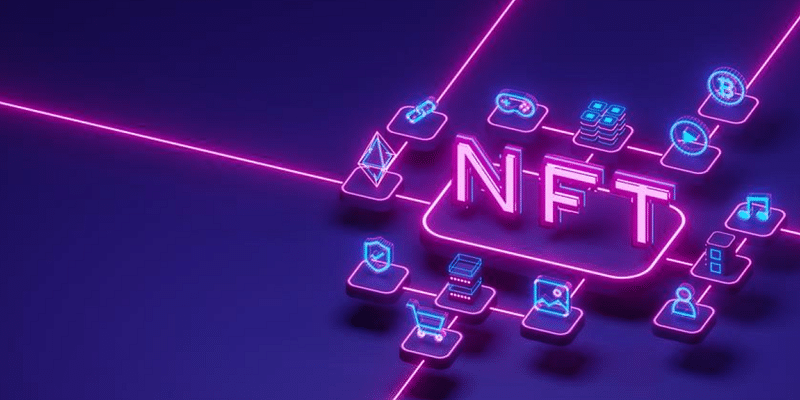
The NFT Ecosystem: From creation and minting to marketplaces, communities, and real-world utility.
Introduction: The Revolution in Digital Scarcity
In the digital world, where anything can be copied and pasted infinitely with perfect fidelity, how do we establish true ownership? For decades, the internet lacked a native way to prove who owns a unique digital item. This fundamental problem is what Non-Fungible Tokens (NFTs) solve. While often misunderstood as overpriced digital images, NFTs represent a technological breakthrough in digital property rights that extends far beyond profile pictures and art.
An NFT is a unique, verifiable digital certificate of ownership recorded on a blockchain. Unlike cryptocurrencies like Bitcoin where every token is identical and interchangeable (fungible), each NFT is distinct and cannot be replicated. This simple but powerful concept is reshaping industries from art and entertainment to gaming, music, and even real estate. Understanding NFTs means understanding the future of digital ownership, creativity, and community in the internet era. For more explorations of digital transformations, visit our Technology & Innovation section.
Background/Context: From Colored Coins to Global Phenomenon
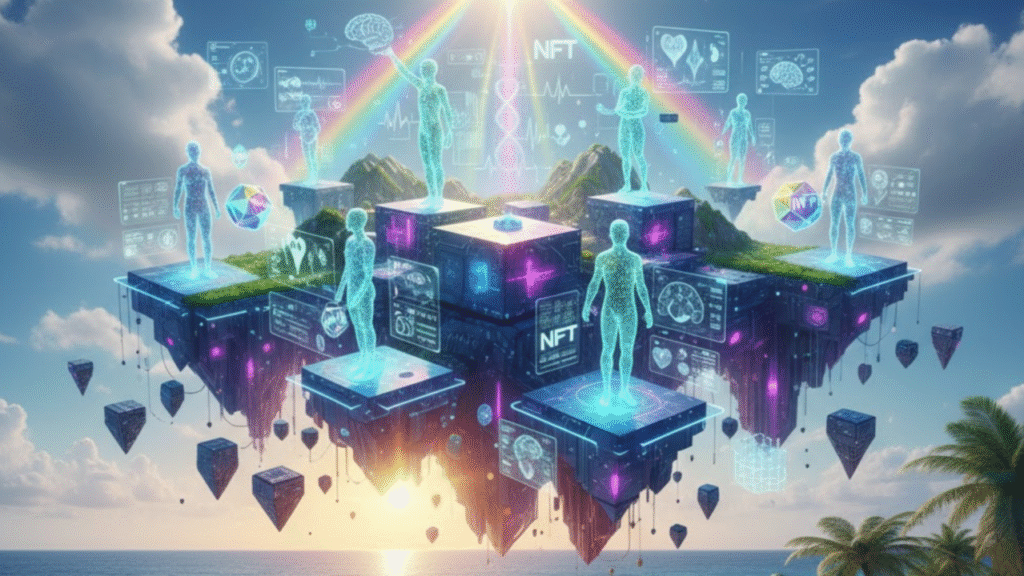
The conceptual roots of NFTs date back to 2012-2013 with “Colored Coins” on the Bitcoin blockchain—small denominations of Bitcoin that could represent other assets. However, the true birth of modern NFTs came with the launch of Ethereum in 2015, which provided the perfect platform for creating unique digital assets through smart contracts.
The first recognized NFT project, “CryptoPunks,” launched in 2017 by Larva Labs, featuring 10,000 uniquely generated characters. Shortly after, the “CryptoKitties” game demonstrated NFTs’ mainstream potential when it became so popular it congested the Ethereum network. But the NFT market truly exploded into public consciousness in 2021 with Beeple’s “Everydays: The First 5000 Days” selling for $69 million at Christie’s auction house—a watershed moment that legitimized NFTs in the traditional art world.
Since then, the NFT space has evolved through multiple phases: from the initial art-focused boom, through the “PFP” (Profile Picture) craze with projects like Bored Ape Yacht Club, to the current emphasis on utility—NFTs that provide real-world benefits, access, and functionality beyond just ownership.
Key Concepts Defined: The Lexicon of Digital Ownership
- NFT (Non-Fungible Token): A unique cryptographic token on a blockchain that represents ownership of a specific digital or physical asset.
- Minting: The process of creating an NFT by publishing a unique token on the blockchain that includes metadata and links to the digital content.
- Metadata: The information that defines the NFT’s properties, typically stored on decentralized networks like IPFS (InterPlanetary File System).
- Smart Contract: The self-executing code that governs the NFT’s properties, ownership, and any royalty mechanisms.
- Gas Fees: The transaction costs required to mint, buy, or sell NFTs on blockchain networks like Ethereum.
- Royalties: Percentage fees automatically paid to the original creator each time the NFT is resold on secondary markets—a revolutionary feature for artists.
How It Works (Step-by-Step): The Lifecycle of an NFT
To understand NFTs beyond the hype, let’s examine their complete lifecycle from creation to ongoing utility.
Part 1: Creation and Minting
Step 1: Digital Asset Creation
An artist creates a digital artwork, a musician produces a song, or a game developer designs a unique in-game item. This digital file becomes the content that the NFT will represent.
Step 2: Choosing a Blockchain and Marketplace
The creator selects a blockchain (Ethereum, Solana, Polygon) and a marketplace platform (OpenSea, Rarible, Magic Eden) that aligns with their goals and audience.
Step 3: Minting Process
The creator uploads their digital file to a decentralized storage system like IPFS, which generates a unique content identifier (CID). They then initiate the minting process, which involves:
- Deploying a smart contract that defines the NFT’s properties
- Paying gas fees for the blockchain transaction
- The blockchain creating a permanent, unchangeable record of ownership
Step 4: Listing for Sale
The newly minted NFT can be listed for sale at a fixed price or through an auction, making it available to collectors worldwide.
Part 2: Ownership and Transfer
Step 5: Purchase and Transfer
A buyer purchases the NFT using cryptocurrency. The smart contract automatically:
- Transfers ownership on the blockchain to the buyer’s wallet address
- Transfers the purchase price to the seller (minus marketplace fees)
- Pays any predetermined royalties to the original creator
Step 6: Verifiable Ownership
The buyer now has provable, timestamped ownership recorded on a public blockchain. Anyone can verify that their wallet address owns this specific NFT.
Part 3: Ongoing Utility and Community
Step 7: Access and Benefits
Many modern NFTs provide ongoing utility: access to exclusive communities, voting rights in DAOs, early access to future drops, or physical-world experiences.
Step 8: Resale and Royalties
If the owner decides to sell, the process repeats, with the smart contract automatically ensuring the original creator receives their royalty percentage—a feature that has transformed the economics for digital creators.
Why It’s Important: The Transformative Power of Verifiable Ownership
- Empowering Creators: NFTs enable artists, musicians, and creators to earn fair compensation through initial sales and automatic royalties on secondary markets—addressing a fundamental inequity in the traditional creative industries.
- Provable Digital Scarcity: For the first time, we can create truly scarce digital items, enabling new forms of digital collectibles, status symbols, and investments.
- Interoperability and Portability: NFTs owned in your wallet can potentially be used across different applications, games, and virtual worlds—a concept central to the metaverse.
- New Business Models: NFTs enable innovative approaches to fan engagement, brand loyalty, and community building that weren’t possible before.
- Democratizing Investment: Fractional ownership of high-value assets (like real estate or fine art) becomes possible through NFTs, making investment opportunities accessible to more people.
Common Misconceptions and Real Risks
- “When I buy an NFT, I own the copyright.” False. In most cases, you own the specific token, not the underlying intellectual property. The creator typically retains copyright, similar to buying a physical print versus owning the rights to the image.
- “Right-click saving is the same as owning the NFT.” While anyone can right-click save the image file, they cannot prove ownership, access utility, participate in the community, or benefit from future value appreciation. It’s the difference between having a photo of the Mona Lisa and owning the original.
- “All NFTs are bad for the environment.” This was a valid concern for early Ethereum-based NFTs, but the transition to Proof-of-Stake and the rise of eco-friendly blockchains like Polygon and Solana have dramatically reduced the environmental impact.
- “The NFT market is just speculation and gambling.” While speculation exists, many NFTs provide genuine utility: access to software, community membership, gaming assets, or real-world experiences. The technology’s value extends far beyond price speculation.
- “NFTs are only for digital art.” This is like saying the internet is only for email. NFT technology is being applied to event tickets, academic credentials, real estate deeds, medical records, and supply chain tracking.
Recent Developments & Real-Life Examples
Recent Development: The Shift Toward Utility and Phygital Experiences
The NFT market has matured significantly beyond speculative profile pictures. The most successful 2024 projects focus on utility:
- Token-gated experiences: NFTs that provide access to exclusive content, communities, or real-world events
- Loyalty programs: Brands like Starbucks and Nike using NFTs as next-generation loyalty tokens
- Gaming assets: True ownership of in-game items that can be traded across platforms
- “Phygital” NFTs: That unlock both digital and physical benefits and products
Real-Life Example: Bored Ape Yacht Club – From PFP to Media Empire
What began as a collection of 10,000 algorithmically generated ape profile pictures evolved into a case study in community building and brand expansion. BAYC demonstrated the power of NFTs to create:
- Strong Community: Ownership granted access to an exclusive community with real-world meetups
- IP Rights: Owners gained commercial rights to their specific ape
- Ecosystem Expansion: The creators launched companion collections (Mutant Apes), a native cryptocurrency (ApeCoin), and even acquired major NFT collections like CryptoPunks
- Mainstream Crossover: Celebrities from Jimmy Fallon to Snoop Dogg became owners, bringing NFTs to mainstream attention
While controversial for its high prices and exclusivity, BAYC proved that NFTs could be the foundation for entirely new types of media companies and community-owned brands.
Case Study: Nike’s .Swoosh Platform – Traditional Brand Embrace
Background: In 2022, athletic giant Nike launched .Swoosh, a Web3 platform built on Polygon where users can collect virtual creations, including NFTs of shoes and jerseys.
The Strategy: Rather than simply releasing expensive NFT collectibles, Nike focused on:
- Accessibility: Low-cost or free minting to lower barriers to entry
- Education: Extensive resources to onboard non-crypto-native users
- Utility: Virtual products designed for use in games and experiences
- Community Co-creation: Involving the community in product design decisions
The Results:
- Successful minting of over 106,000 NFTs across initial drops
- Creation of a loyal Web3 community around the Nike brand
- Demonstration of how traditional companies can leverage NFT technology for engagement rather than just quick revenue
The Lesson: Nike’s approach shows that the most sustainable NFT strategies focus on long-term community building and providing genuine value, rather than short-term speculation. This mirrors the shift we’re seeing in traditional E-commerce Business Models toward community and experience.
The Future of NFTs: Beyond Digital Art
As the technology matures, NFTs are finding applications far beyond their art origins:
Intellectual Property Management: NFTs can represent patents, trademarks, and copyrights, creating transparent ownership records and enabling new licensing models.
Academic Credentials: Universities could issue degrees and certificates as NFTs, making them instantly verifiable and impossible to forge.
Real Estate: Property deeds and titles represented as NFTs could streamline transactions and reduce fraud.
Healthcare: Medical records and prescriptions as NFTs could give patients control over their data while ensuring authenticity.
Supply Chain: NFTs can track the provenance of physical goods from manufacturer to consumer, combating counterfeiting.
Conclusion & Key Takeaways
NFTs represent a fundamental shift in how we conceive of and manage ownership in the digital age. While the initial hype cycle focused on speculative mania, the underlying technology is proving its value across multiple industries.
Key Takeaways:
- NFTs Are About Verifiable Ownership, Not Just Images: The core innovation is provable digital scarcity and ownership on a public ledger.
- Utility is Becoming More Important Than Speculation: The most sustainable NFT projects provide ongoing value through access, community, and real-world benefits.
- Royalties Transform Creator Economics: Automatic royalty payments on secondary sales address a long-standing inequity in creative industries.
- The Technology Extends Far Beyond Art: NFTs have applications in gaming, identity, ticketing, real estate, and much more.
- Education is Essential: The space is filled with both opportunity and risk. Understanding the technology is the best protection against scams and poor investments.
The true potential of NFTs lies not in creating artificial scarcity, but in creating new forms of community, new business models for creators, and new ways for people to connect around shared interests and ownership. As the technology continues to evolve, it promises to reshape our relationship with digital property in ways we’re only beginning to imagine. For insights into managing the psychological aspects of navigating this new digital landscape, consider our guide on Mental Wellbeing.
Frequently Asked Questions (FAQs)
1. What’s the difference between an NFT and cryptocurrency?
Cryptocurrencies are fungible—each unit is identical and interchangeable. NFTs are non-fungible—each is unique and cannot be replaced by another token.
2. Do I own the image if I buy an NFT?
Typically, you own the specific token that points to the image, not the copyright to the image itself. Always check the specific terms of the NFT collection.
3. How much does it cost to create an NFT?
Costs vary by blockchain. On Ethereum, gas fees can range from $10 to hundreds of dollars during network congestion. Other blockchains like Polygon or Solana offer much cheaper minting options.
4. Are NFTs a good investment?
Like any emerging asset class, NFTs carry significant risk. Some have appreciated tremendously, while many have lost most of their value. Invest only what you can afford to lose and focus on projects with strong fundamentals and utility.
5. What happens if the platform hosting my NFT’s image shuts down?
This is a real risk if the image is stored on a centralized server. The best practice is storing NFT metadata on decentralized networks like IPFS or Arweave, which are much more resilient.
6. Can NFTs be copied or forged?
While anyone can right-click save the image file, they cannot replicate the ownership record on the blockchain. The verified ownership and provenance are what give NFTs their value.
7. What are “gas wars”?
When many people try to mint from a popular collection simultaneously, they bid up gas fees to get their transactions processed first, creating a “war” that can make minting very expensive.
8. How do I know if an NFT project is legitimate?
Research the team, read the roadmap, examine the community engagement, check if the smart contract has been audited, and look for signs of genuine utility beyond speculation.
9. What is “minting” versus “buying secondary”?
Minting is creating a new NFT from the original collection. Buying secondary means purchasing an NFT that someone else already minted.
10. Can I create an NFT of someone else’s work?
Only if you own the copyright or have permission. Creating NFTs of others’ work without permission is infringement and could lead to legal consequences.
11. What are “soulbound tokens”?
A new type of NFT that cannot be transferred once minted, potentially useful for representing credentials, achievements, or identity attributes.
12. How do royalties work?
The smart contract is programmed to send a percentage (typically 5-10%) of every secondary sale to the original creator’s wallet automatically.
13. What’s the environmental impact of NFTs today?
With Ethereum’s move to Proof-of-Stake and the availability of eco-friendly blockchains, the environmental impact has been reduced by over 99% for many NFTs.
14. Can NFTs be used for physical items?
Yes, through “phygital” NFTs that represent ownership of physical assets and can unlock physical products or experiences.
15. Where can I learn more about specific NFT projects and trends?
Platforms like Twitter (X), Discord communities, and analytics sites like DappRadar provide current information. For broader economic context, explore our full Blog and consider how these innovations might integrate with traditional Business Resources in the future.
About The Author