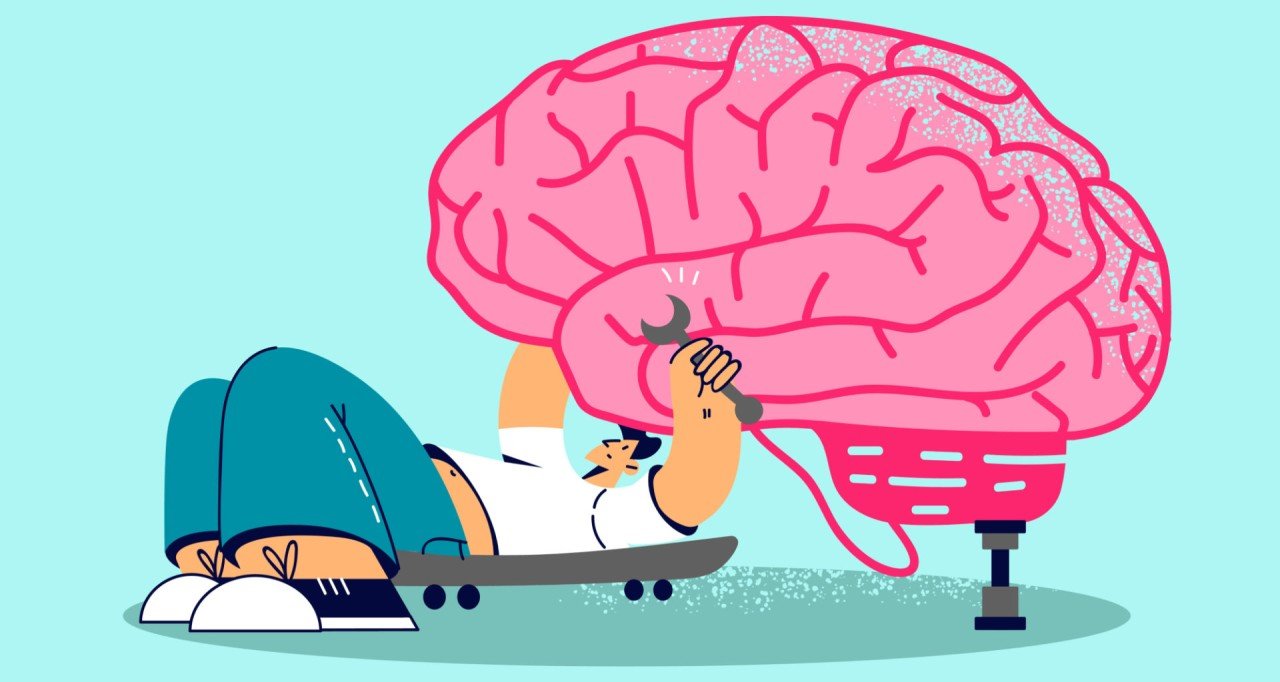
Figure 1: The Process of Neuroplasticity: Neurons that fire together, wire together, forming stronger connections through repeated use.
Introduction: Why Your Brain is Not Hardwired
For centuries, the prevailing belief in neuroscience was that the adult brain was a static, hardwired organ. After a critical period in childhood, it was thought that you couldn’t teach an old dog new tricks—that the brain’s structure was fixed, and its capabilities were set in stone. This outdated notion has been completely overturned by one of the most empowering discoveries in modern science: neuroplasticity.
Neuroplasticity is the brain’s lifelong capacity to reorganize itself by forming new neural connections. It allows the neurons (nerve cells) in your brain to compensate for injury and disease and to adjust their activities in response to new situations or changes in their environment. This means that your thoughts, behaviors, and experiences don’t just play out on the stage of your brain—they actively reshape the stage itself. Understanding this power is the key to taking control of your cognitive destiny, breaking free from limiting habits, and enhancing your mental well-being. For more on how our internal biology can be shaped, explore our previous article on Epigenetics.
Background/Context: From Fixed Mindset to Growth Mindset
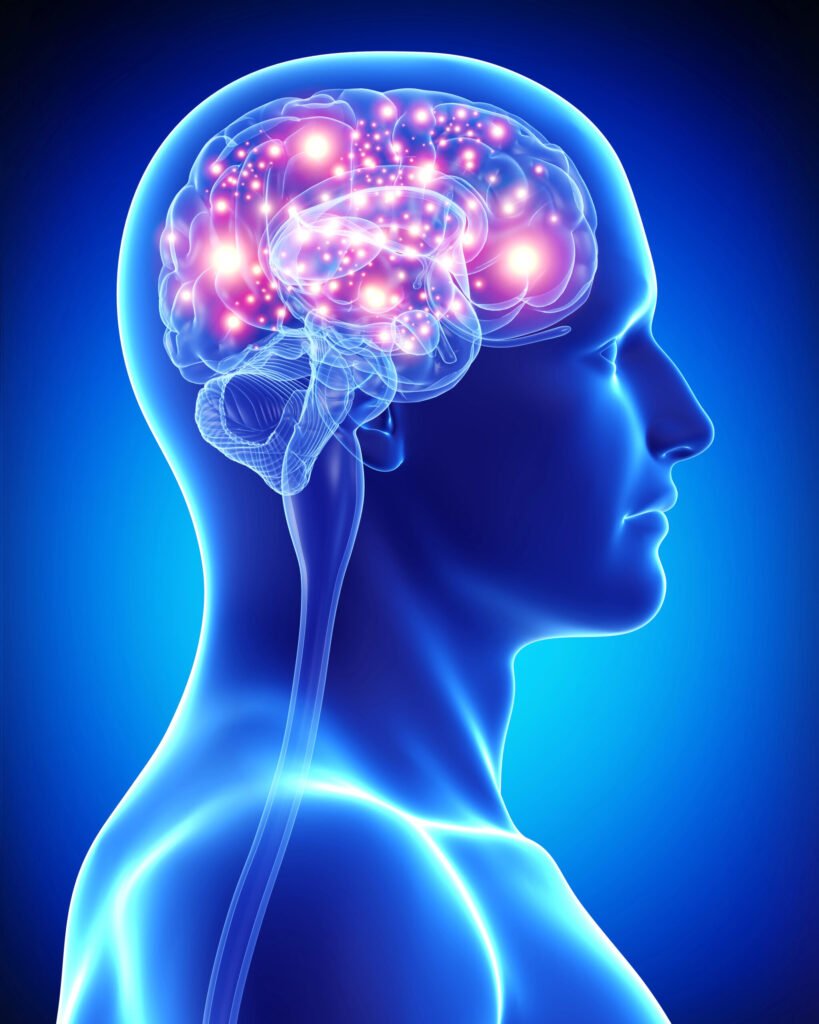
The concept of neuroplasticity has its roots in early 20th-century neuroscience, but it was met with great skepticism. The breakthrough came from pioneering studies. In the 1960s, neuroscientist Michael Merzenich conducted experiments on monkeys, showing that maps of the sensory cortex could change in response to experience and training. Later, studies of stroke patients revealed that unaffected parts of the brain could take over functions lost to injury, proving the brain could reorganize itself for recovery.
This scientific revolution coincided with a psychological one. Stanford psychologist Carol Dweck’s research on “fixed” versus “growth” mindsets provided the behavioral counterpart to neuroplasticity. Her work showed that individuals who believe their abilities can be developed (a growth mindset) are more likely to embrace challenges and persist in the face of setbacks, effectively engaging the plastic nature of their own brains. This principle of adaptability is as crucial for personal development as it is for managing complex systems like a Global Supply Chain.
Key Concepts Defined: The Lexicon of a Changing Brain
- Neuroplasticity: The umbrella term for the brain’s ability to change and adapt throughout life. This includes creating new connections and pruning unused ones.
- Neurons: The fundamental nerve cells of the brain that process and transmit information through electrical and chemical signals.
- Synapses: The tiny gaps between neurons where communication occurs. Neuroplasticity largely involves strengthening or weakening these synaptic connections.
- “Neurons That Fire Together, Wire Together”: A fundamental principle coined by psychologist Donald Hebb. It means that repeated mental or physical activities strengthen the neural pathways associated with that activity.
- Synaptic Pruning: The process of eliminating synapses that are no longer used, making the brain more efficient. This is a key part of brain development and learning.
- Neurogenesis: The formation of new neurons, which occurs primarily in the hippocampus, a region critical for learning and memory. This is the most dramatic form of plasticity.
How It Works (Step-by-Step): The Process of Rewiring Your Brain
The brain’s rewiring process is a continuous cycle of building and pruning:
Step 1: The Trigger – Novelty and Challenge
The process begins when you encounter something new, challenging, or purposeful. This could be learning a language, practicing a musical instrument, recovering from an injury, or even consciously changing a thought pattern. This challenge creates a “chemical signal” in the brain.
Step 2: The Chemical Conversation
When you engage in a new activity, neurons fire and release chemicals called neurotransmitters (like glutamate) across the synapse. This electrochemical signal is the basis of all brain activity.
Step 3: Strengthening the Pathway – Long-Term Potentiation (LTP)
If the same neural pathway is activated repeatedly, the connection between those specific neurons becomes stronger and more efficient. This is called Long-Term Potentiation (LTP), the cellular basis for learning and memory. The synapse physically changes, and the post-synaptic neuron becomes more sensitive to signals from the pre-synaptic neuron.
Step 4: Structural Changes – Building New Roads
With sustained practice, this process can lead to structural changes. The brain can grow new dendritic spines (the receiving ends of neurons), increase the number of synapses, and even strengthen the myelin sheath that insulates neural pathways, making signal transmission faster. This is like paving a dirt path into a highway.
Step 5: Pruning the Unused – “Use It or Lose It”
Conversely, neural pathways that are not used become weaker through a process called Long-Term Depression (LTD). The brain is highly efficient and will prune away unused connections to free up resources for the pathways you use most often. This is why skills fade without practice.
Why It’s Important: The Lifelong Implications of a Plastic Brain
Neuroplasticity has transformative implications for every stage of life:
- Learning and Memory: It is the fundamental mechanism behind all learning, from a child mastering vocabulary to an adult learning a new professional skill.
- Recovery from Brain Injury: Neuroplasticity is the basis for rehabilitation after events like a stroke or traumatic brain injury. Other brain regions can take over the functions of damaged areas.
- Mental Health and Therapy: It provides a biological explanation for why therapies like Cognitive Behavioral Therapy (CBT) work. By consciously changing thought patterns, you can weaken neural circuits associated with anxiety or depression and strengthen ones linked to resilience. This aligns with strategies for maintaining overall Mental Wellbeing.
- Habit Change: You can break bad habits and form new, healthy ones by consciously practicing the desired behavior, thereby strengthening its neural pathway while allowing the old one to weaken.
- Healthy Aging: Engaging in mentally stimulating activities throughout life builds a “cognitive reserve,” helping to delay the onset of age-related cognitive decline and neurodegenerative diseases like Alzheimer’s.
Common Misconceptions
- “Neuroplasticity means you can learn anything instantly.” False. Plasticity is a use-dependent process. It requires focused attention, struggle, and consistent repetition over time. There are no shortcuts.
- “Only positive changes are possible.” The brain changes in response to all experiences, good and bad. Chronic stress, negative thought patterns, and addiction also leverage neuroplasticity to create and strengthen maladaptive pathways.
- “It’s only for the young.” While plasticity is most pronounced in childhood, the adult brain remains highly plastic. The rate of change may be slower, but the capacity is lifelong.
- “Brain training apps are the best way to enhance plasticity.” While some can help, real-world, complex, and meaningful activities—like learning a musical instrument, engaging in rich social interaction, or mastering a new sport—are far more effective at driving beneficial brain-wide changes.
Recent Developments & Real-Life Examples
Recent Development: The Impact of Mindfulness on Brain Structure
A significant area of modern research involves mindfulness and meditation. Harvard neuroscientist Sara Lazar conducted seminal MRI studies showing that an 8-week Mindfulness-Based Stress Reduction (MBSR) program led to measurable increases in gray matter density in the hippocampus (memory) and decreases in the amygdala (fear and stress). This provides concrete evidence that non-pharmaceutical, mental training can induce structural neuroplasticity, changing the brain in ways that support emotional regulation and well-being.
Real-Life Example: The London Taxi Driver Study
One of the most famous real-world demonstrations of neuroplasticity comes from studies of London taxi drivers. To get a license, these drivers must memorize the labyrinthine layout of London’s 25,000 streets and thousands of points of interest—a feat known as “The Knowledge.” MRI scans revealed that experienced taxi drivers had significantly larger posterior hippocampi (a brain region critical for spatial navigation) compared to bus drivers who followed fixed routes. Furthermore, the size of the hippocampus correlated with the amount of time spent on the job. This study powerfully shows how intensive, real-world learning can physically grow specific regions of the adult human brain.
Conclusion & Key Takeaways
Neuroplasticity shatters the myth of a fixed, unchangeable brain. It reveals that we are the architects of our own brains, sculpting them with our daily thoughts, actions, and experiences. This is not just a scientific fact; it is an invitation to take responsibility for our cognitive and emotional health.
Key Takeaways:
- Struggle is Necessary: Learning must be challenging and require focused attention to trigger robust plastic changes. Embrace the difficulty.
- Consistency Over Intensity: Small, daily practice is more effective for building strong neural pathways than occasional, intense cramming.
- Enrich Your Environment: The brain thrives on novelty and complexity. Continuously seek out new skills, hobbies, and social interactions to provide the stimulus for growth.
- Apply it to Your Health: Use the principles of neuroplasticity to actively rewire patterns of anxiety, break bad habits, and support recovery from injury.
- It’s a Two-Way Street: Be mindful of your habits. The brain is always learning, so repetitive negative behaviors or thoughts will also be reinforced.
Your brain is a living, dynamic forest, not a fixed piece of concrete. You have the power to nurture its growth every single day.
Frequently Asked Questions (FAQs)
1. Can you increase neuroplasticity after 60?
Absolutely. While the rate may slow, the capacity for neuroplasticity remains throughout life. Learning new technology, engaging in social dance, or taking up a new language in your 60s, 70s, and beyond can all drive significant plastic changes.
2. How does sleep affect neuroplasticity?
Sleep is critical. During deep sleep, the brain consolidates memories and learning from the day, strengthening the new neural pathways formed. Sleep also triggers a cleansing process that removes metabolic waste that can impair cognitive function.
3. What is the link between neuroplasticity and the gut microbiome?
Emerging research on the Human Microbiome suggests that gut bacteria produce neurotransmitters and other compounds that can influence brain-derived neurotrophic factor (BDNF), a key protein that stimulates neuroplasticity. A healthy gut supports a plastic brain.
4. Can exercise really change my brain?
Yes, dramatically. Aerobic exercise is one of the most powerful drivers of BDNF, effectively “fertilizing” the brain to make neuroplasticity easier. It also promotes neurogenesis in the hippocampus.
5. How long does it take to rewire your brain?
It depends on the complexity of the change. Simple habit formation may take a few weeks, while mastering a complex skill or recovering from a major stroke can take months or years of consistent effort.
6. What is the role of BDNF?
Brain-Derived Neurotrophic Factor (BDNF) is like fertilizer for your neurons. It promotes the growth, survival, and differentiation of neurons and synapses, making it a crucial molecule for neuroplasticity.
7. Can negative thinking rewire the brain?
Unfortunately, yes. This is called “negative neuroplasticity.” Rumination, chronic worry, and catastrophizing strengthen the neural circuits for anxiety and depression, making those states easier to fall into over time.
8. What’s the difference between neuroplasticity and neurogenesis?
Neuroplasticity is the broader term for all changes in the brain, including strengthening connections. Neurogenesis is a specific type of plasticity referring to the birth of entirely new neurons.
9. How does chronic stress impair neuroplasticity?
High levels of the stress hormone cortisol can be toxic to neurons, particularly in the hippocampus, and can reduce BDNF levels, thereby impairing the brain’s ability to change and adapt.
10. Can diet influence neuroplasticity?
Yes. Diets rich in omega-3 fatty acids (found in fish), flavonoids (found in berries), and antioxidants support brain health by reducing inflammation and providing building blocks for neuronal membranes, thereby creating an environment conducive to plasticity.
11. Is there a link between the soil microbiome and brain health?
Indirectly, yes. The health of the Soil Microbiome determines the nutrient density of our food. Minerals like magnesium and zinc, which are crucial for brain function and neuroplasticity, must be absorbed by plants from healthy soil.
12. How does our circadian rhythm affect neuroplasticity?
Our Circadian Rhythms regulate the release of hormones like cortisol and the sleep-wake cycle, both of which are essential for memory consolidation and synaptic repair. Disrupted sleep directly impairs the brain’s plastic capabilities.
13. Can music training enhance neuroplasticity?
Extensively. Learning to play an instrument is a full-brain workout that engages motor, auditory, and visual cortices simultaneously, leading to widespread increases in connectivity and gray matter volume.
14. What is the number one thing that harms neuroplasticity?
A passive, routine-driven, and unstimulating lifestyle. The brain adapts to its environment, and if the environment lacks novelty and challenge, the brain’s plastic mechanisms will remain dormant.
15. Where can I learn more about biology and health topics?
For more fascinating deep dives into the science of life, be sure to browse our full archive in the Biology & Environment section and our main Blog.
About The Author