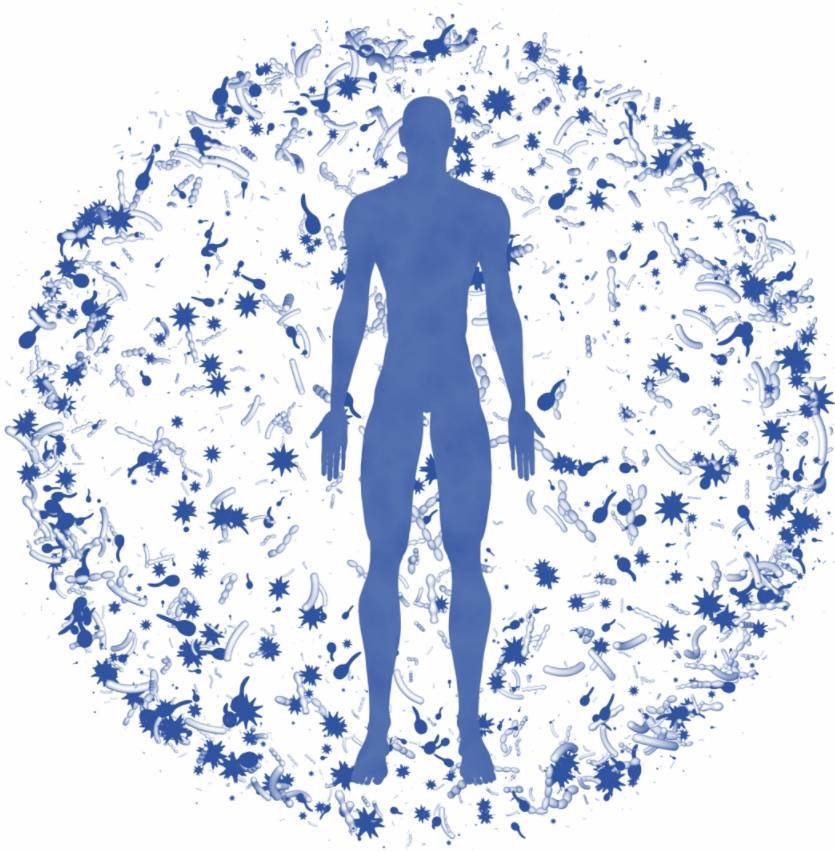
The Human Microbiome: A diverse ecosystem of bacteria, viruses, and fungi that plays a crucial role in our health.
Introduction: Why Your Inner Ecosystem Matters
We often think of ourselves as singular, self-contained organisms, but the truth is far more fascinating. Each of us is a walking ecosystem, home to trillions of microorganisms—bacteria, viruses, fungi, and archaea—that collectively form what is known as the human microbiome. This complex community, which outnumbers our own human cells, is not a passive passenger but an active partner in our health. It influences everything from how we digest food and fight off infections to our mood and even our weight. Understanding the microbiome is revolutionizing medicine and empowering us to take control of our health in unprecedented ways. For more insights into the interconnected systems that shape our lives, explore our Culture & Society section.
Background/Context: From Germ Theory to Ecosystem Theory
The discovery of the microscope opened our eyes to the microbial world, but for centuries, our relationship with microbes was defined by the “germ theory”—the idea that microbes are primarily pathogens to be eradicated. While this led to monumental advances in hygiene and antibiotics, it created a blind spot. We largely ignored the beneficial microbes that call us home.
The turning point came with the Human Microbiome Project (HMP), launched in 2007. This landmark research initiative, similar in scale to the Human Genome Project, aimed to characterize all the microorganisms living in and on the human body. The findings were staggering: we learned that these microbial communities are not random; they form complex, balanced ecosystems that are essential to our physiology. This shifted the paradigm from seeing microbes as enemies to understanding ourselves as “superorganisms” in a symbiotic relationship with our microbial partners.
Key Concepts Defined: The Lexicon of Your Inner World
- Microbiome: The entire collection of microorganisms (bacteria, archaea, fungi, viruses) and their genetic material in a specific environment, such as the human gut.
- Microbiota: The actual community of microorganisms themselves that inhabit a particular environment.
- Dysbiosis: An imbalance or disruption in the microbial community, often associated with disease. Think of it as the “ecological collapse” of your inner ecosystem.
- Probiotics: Live microorganisms that, when administered in adequate amounts, confer a health benefit on the host. Found in supplements and fermented foods like yogurt and kimchi.
- Prebiotics: Types of dietary fiber that act as food for the beneficial bacteria in your gut, helping them to grow and thrive. Found in foods like garlic, onions, and bananas.
- Symbiosis: A mutually beneficial relationship between different organisms. Our relationship with a healthy microbiome is symbiotic—we provide them with a home and food, and they help keep us healthy.
How It Works (Step-by-Step): The Functions of a Healthy Microbiome

A balanced microbiome functions like a well-run city, with different microbial “citizens” performing essential jobs:
Step 1: Digestion and Nutrient Extraction
Your body lacks the enzymes to break down certain complex fibers. Your gut bacteria ferment these fibers, breaking them down into Short-Chain Fatty Acids (SCFAs) like butyrate, acetate, and propionate. These SCFAs provide energy for your colon cells, regulate metabolism, and have anti-inflammatory effects.
Step 2: Training the Immune System
From birth, our microbiome educates our immune system. By interacting with immune cells in the gut, microbes teach them to distinguish between friendly bacteria and harmful pathogens. This is crucial for preventing autoimmune diseases, where the body mistakenly attacks itself.
Step 3: Protecting Against Pathogens
A diverse microbiome occupies physical space and consumes available resources, making it difficult for incoming harmful bacteria to establish a foothold. This is known as “colonization resistance.”
Step 4: Vitamin Synthesis
Your gut bacteria are tiny factories, producing essential vitamins that your body cannot make on its own, including Vitamin K (crucial for blood clotting) and several B vitamins.
Step 5: Influencing Brain and Behavior
Through the Gut-Brain Axis, gut microbes produce neurotransmitters like serotonin and GABA, sending signals to the brain via the vagus nerve. This directly impacts mood, stress response, and cognition, a topic explored in our guide to Mental Wellbeing.
Why It’s Important: The Far-Reaching Consequences of Microbial Health
The state of your microbiome has profound implications:
- Metabolic Health: Dysbiosis is linked to obesity, type 2 diabetes, and metabolic syndrome. Certain microbial profiles are more efficient at extracting energy from food, influencing weight gain.
- Mental Health: Research strongly connects an imbalanced gut microbiome to anxiety, depression, and autism spectrum disorders, opening new avenues for treatment through diet and probiotics.
- Autoimmune Diseases: Conditions like inflammatory bowel disease (IBD), rheumatoid arthritis, and multiple sclerosis are associated with specific microbiome alterations.
- Cancer Therapy Efficacy: The gut microbiome can influence how patients respond to certain cancer immunotherapies, with a diverse microbiome often correlating with better outcomes.
- Personalized Nutrition: Understanding an individual’s unique microbiome may one day allow for highly personalized dietary recommendations for optimal health.
Common Misconceptions
- “All bacteria are bad.” This is a dangerous oversimplification. The vast majority of our resident bacteria are either neutral or beneficial. Only a small fraction are pathogenic.
- “Probiotic supplements are a must for everyone.” While beneficial in specific situations (like after antibiotics), for most healthy people, a diet rich in diverse fibers and fermented foods is more effective for building a resilient microbiome.
- “A microbiome test can give you all the answers.” Commercial microbiome tests can provide interesting insights, but the science is still young. They can show you the composition of your gut bacteria but cannot yet reliably diagnose specific diseases or create definitive treatment plans.
- “You can permanently change your microbiome in weeks.” While diet can cause rapid shifts, long-term, stable changes to your core microbial community require consistent lifestyle habits over months or years.
Recent Developments & Success Stories
Recent Development: Fecal Microbiota Transplants (FMT)
FMT involves transferring stool from a healthy, carefully screened donor to a patient to restore a healthy microbiome. It is a highly effective treatment for recurrent Clostridioides difficile infection, with cure rates over 90%. This powerfully demonstrates that a healthy microbiome can be directly therapeutic. Research is now exploring FMT for other conditions like IBD and even obesity.
Success Story: The Impact of Diet on Microbiome Diversity
The “American Gut Project,” one of the largest citizen-science projects of its kind, found a clear and powerful correlation: people who ate 30 or more different plant types per week had significantly more diverse gut microbiomes than those who ate 10 or fewer. This wasn’t about quantity, but variety. This simple, actionable insight empowers individuals to directly boost their microbial health through dietary diversity, a principle as fundamental as diversification in Personal Finance.
Conclusion & Key Takeaways
The human microbiome is not just a collection of germs; it is a vital, functioning organ that we have only just begun to understand. Nurturing this inner ecosystem is one of the most important things we can do for our long-term health.
Key Takeaways:
- Diversity is Destiny: A diverse microbiome is a resilient and healthy one. Aim for a wide variety of whole plant foods in your diet.
- Feed Your Friends: Prioritize prebiotic fibers to nourish your beneficial gut bacteria.
- Embrace Fermentation: Incorporate traditionally fermented foods as a natural source of diverse probiotics.
- Use Antibiotics Judiciously: While lifesaving, antibiotics can devastate the microbiome. Use them only when necessary and always work to rebuild your gut flora afterward.
- Think Long-Term: Building a healthy microbiome is a marathon, not a sprint. Focus on consistent, sustainable habits.
Your health is a collaboration between you and your microbes. By understanding and nurturing this partnership, you open the door to a new level of well-being.
Frequently Asked Questions (FAQs)
1. Where is the human microbiome located?
While microbes live all over our skin and in various body sites, the largest and most diverse microbiome by far is in our colon (large intestine).
2. How is the microbiome established?
The initial colonization happens during birth (vaginal delivery provides the first microbes), through breastfeeding, and from the early environment. It becomes more stable and adult-like by around age 3.
3. Can I repair a damaged microbiome?
Yes, to a significant extent. Through a long-term commitment to a diverse, fiber-rich diet, stress management, and avoiding unnecessary antibiotics, you can shift your microbiome toward a healthier state.
4. What is the difference between a probiotic and a prebiotic?
Probiotics are the live beneficial bacteria themselves. Prebiotics are the food (specific fibers) that these bacteria eat to thrive.
5. Are all probiotic supplements the same?
No. Different strains have different effects. Look for supplements that specify the strain (e.g., Lactobacillus rhamnosus GG) and have research backing their claimed benefits.
6. How does stress affect the microbiome?
Chronic stress can alter gut motility, increase intestinal permeability (“leaky gut”), and change the composition of the microbiome, reducing beneficial bacteria.
7. What is the link between the microbiome and allergies?
The “hygiene hypothesis” suggests that a lack of early childhood exposure to diverse microbes (from other people, animals, and the environment) can impair immune system development, increasing the risk of allergies and asthma.
8. Can the microbiome affect my weight?
Yes. Studies have shown that transferring gut bacteria from obese mice to lean mice can cause the lean mice to gain weight. Certain bacterial profiles are more efficient at extracting energy from food.
9. What are the signs of an unhealthy microbiome?
Common signs include chronic digestive issues (bloating, gas, constipation, diarrhea), frequent infections, sugar cravings, skin conditions like eczema, and unexplained fatigue.
10. How does sleep affect the microbiome?
Poor sleep and disrupted circadian rhythms can negatively impact the diversity and composition of your gut microbiome, creating a bidirectional relationship.
11. Is it possible to have too many probiotics?
For most healthy people, it’s difficult to “overdose” from food or standard supplements. However, people with severely compromised immune systems or serious illnesses should consult a doctor before taking high doses.
12. What is the role of the microbiome in aging?
A less diverse microbiome is associated with frailty and age-related inflammation. Maintaining microbial diversity may be a key component of healthy aging.
13. Can the microbiome influence food cravings?
Some research suggests that certain bacteria can manipulate host behavior to increase cravings for the foods they specialize in, potentially influencing our dietary choices.
14. How does exercise affect the gut microbiome?
Regular physical activity has been shown to increase the abundance of beneficial, anti-inflammatory bacterial species and enhance microbial diversity.
15. Are there any risks with fecal microbiota transplants (FMT)?
Yes. While highly effective for C. diff, there are risks, including the potential transmission of undetected pathogens or other conditions from the donor. This is why rigorous donor screening is essential.
About The Author





Nice Post.
Great info.
Awesome blog.
Great info.
Great info.
Awesome blog.