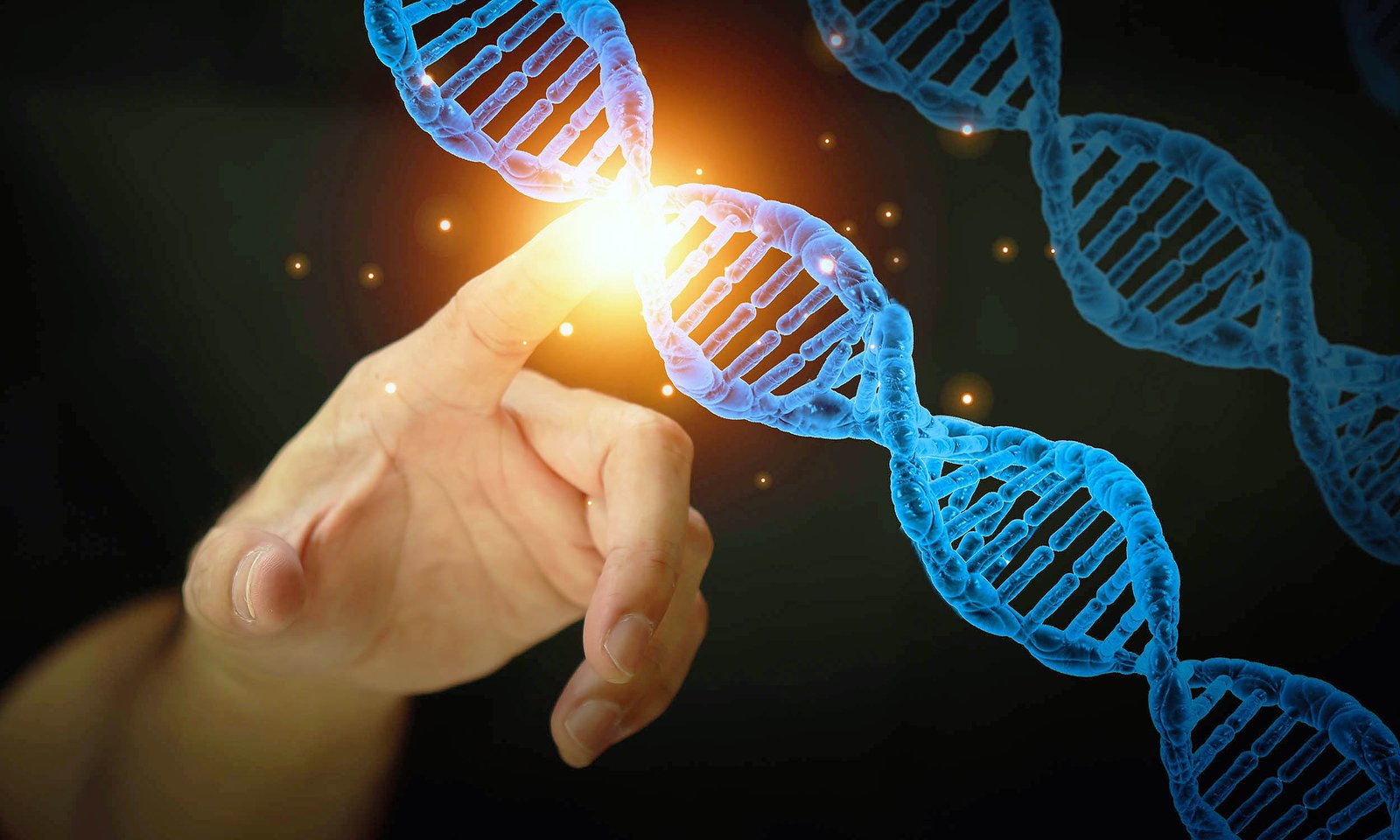
Figure 1: The Major Mechanisms of Epigenetics: DNA methylation and histone modification work together to control gene expression without altering the DNA sequence itself.
Introduction: Why You’re Not a Slave to Your DNA
For decades, we viewed our DNA as a fixed, unchangeable blueprint—a genetic destiny predetermined at conception. You either inherited “good” genes or “bad” ones, and there was little you could do about it. This deterministic view is now being radically overturned by the revolutionary science of epigenetics. Epigenetics reveals that our genes are not a static code but a dynamic, responsive system. Your lifestyle, nutrition, stress levels, and even your thoughts can leave molecular “marks” on your DNA, determining which genes are activated and which remain silent. This means you have a remarkable degree of control over your genetic expression, impacting your health, aging, and risk of disease. Understanding epigenetics is the key to unlocking a new paradigm of proactive, personalized health. For more insights into the complex systems that influence our lives, explore our Explained section.
Background/Context: From Genetic Determinism to Epigenetic Flexibility
The discovery of the DNA double helix in 1953 cemented the “Central Dogma” of molecular biology: DNA -> RNA -> Protein. This led to the belief that our genetic sequence was the sole commander of our biological fate. However, puzzles emerged. How could a single fertilized egg develop into hundreds of different cell types (neurons, skin cells, heart cells) when they all contain the exact same DNA? The answer lies beyond the sequence itself.
The term “epigenetics,” meaning “above genetics,” was coined in the 1940s, but the field exploded in the 21st century with the mapping of the human genome and the subsequent Human Epigenome Project. Landmark studies, like those on the Dutch Hunger Winter famine, showed that environmental exposures during pregnancy could alter the health of offspring decades later, providing powerful human evidence that experiences could be biologically embedded. This bridges the gap between our internal biology and external realities, much like how Global Supply Chains connect local actions to worldwide outcomes.
Key Concepts Defined: The Lexicon of Gene Control
- Epigenetics: The study of heritable changes in gene function that do not involve changes to the underlying DNA sequence. It’s like the software that tells the hardware (DNA) what to do.
- DNA Methylation: The process of adding a methyl group (a carbon and three hydrogens) to a DNA molecule, typically to a cytosine base. This usually acts as a “stop” signal, turning a gene off and preventing it from being read.
- Histone Modification: Histones are protein spools around which DNA is tightly wound. Chemical tags (like acetyl or methyl groups) can be added to these histones. Acetylation usually loosens the DNA, making genes accessible and on, while deacetylation tightens it, turning genes off.
- Gene Expression: The process by which the instructions in a gene are used to synthesize a functional gene product, like a protein. Epigenetics controls whether this process is activated or suppressed.
- Transgenerational Epigenetic Inheritance: The concept that epigenetic marks caused by environmental factors can sometimes be passed down to subsequent generations, affecting the health of children and grandchildren.
- Nutrigenomics: The study of the relationship between nutrition, the genome, and health, focusing on how dietary components can influence epigenetic pathways.
How It Works (Step-by-Step): The Epigenetic Control System

Think of your DNA as a vast library of cookbooks (genes). Epigenetics determines which recipes are available for use. Here’s how it works:
Step 1: The Signal
An environmental or lifestyle signal is received by the body. This could be:
- A nutrient from your food (e.g., folate, B vitamins).
- A stress hormone like cortisol.
- A toxin from pollution or cigarette smoke.
- A positive behavioral factor like exercise.
Step 2: The Molecular Machinery Activates
This signal activates enzymes within your cells that act as “writers” and “erasers.” Writer enzymes add epigenetic marks (methyl groups to DNA or acetyl groups to histones). Eraser enzymes remove these marks.
Step 3: The Chromatin Remodels
The DNA and its histone spools together form chromatin. When writer enzymes add acetyl groups to histones, the chromatin structure becomes loose and open (“euchromatin”). This allows the cellular machinery to access the genes in that region and read them, turning them ON.
Step 4: Gene Expression is Altered
Conversely, when methyl groups are added to DNA or histones are deacetylated, the chromatin becomes tight and condensed (“heterochromatin”). The genes in this region are effectively hidden and cannot be read, turning them OFF.
Step 5: A Cellular Response Occurs
The pattern of genes turned on and off directs the cell’s behavior. For example:
- Turning on tumor suppressor genes helps prevent cancer.
- Turning off pro-inflammatory genes reduces chronic inflammation.
- This cellular response translates into your overall health status, influencing everything from your metabolism to your Mental Wellbeing.
Why It’s Important: The Power of Epigenetic Influence
The implications of epigenetics are profound and far-reaching:
- A New Understanding of Disease: Many complex diseases like cancer, Alzheimer’s, diabetes, and autoimmune disorders are now understood to have strong epigenetic components, often triggered by environmental factors.
- The Science of Reversibility: Unlike permanent genetic mutations, epigenetic marks are potentially reversible. This opens the door for novel therapies and lifestyle interventions to “reprogram” unhealthy epigenetic patterns.
- Personalized Medicine 2.0: In the future, your “epigenome” could be analyzed to provide hyper-personalized recommendations for diet, exercise, and stress management to optimize your unique genetic expression.
- Explaining Health Disparities: Epigenetics provides a biological mechanism for how social and environmental inequalities (e.g., poverty, discrimination, pollution) can “get under the skin” and lead to health disparities across generations.
- Empowerment and Agency: It shatters the myth of genetic determinism. You are not a victim of your heredity. Your daily choices actively participate in shaping your genetic activity.
Common Misconceptions
- “Epigenetics means genes don’t matter.” False. Your DNA sequence sets the stage and provides the potential. Epigenetics determines which parts of that potential are realized. It’s the interaction between the two that matters most.
- “All epigenetic changes are passed to your children.” Most epigenetic marks are reset during the formation of sperm and eggs. However, some can escape this resetting process, leading to transgenerational inheritance, but this is a complex and nuanced area of ongoing research.
- “You can completely change your health with positive thinking.” While mindset can influence stress hormones and thus epigenetics, it is not a magic bullet. Tangible lifestyle factors like diet, exercise, and toxin exposure have the most robustly proven epigenetic effects.
- “Epigenetic tests are as definitive as genetic tests.” Commercial epigenetic age tests are interesting but are still in their infancy. They provide a statistical estimate of biological aging based on DNA methylation patterns, but they are not yet a definitive diagnostic tool.
Recent Developments & Success Stories
Recent Development: Epigenetic Clocks
Scientists have developed highly accurate “epigenetic clocks” that measure biological age based on DNA methylation patterns. These clocks can predict mortality and age-related disease risk better than chronological age. Researchers are now using these clocks to test which interventions (e.g., specific diets, drugs, or lifestyle changes) can actually slow or reverse biological aging.
Success Story: The B-Vitamin Intervention
A landmark study published in The Lancet focused on individuals with a genetic predisposition to high homocysteine (a risk factor for cardiovascular disease). Researchers found that supplementation with folate (a B-vitamin) and other B-vitamins could alter DNA methylation patterns on the specific gene involved, effectively “turning down” the expression of the risky trait. This was one of the first direct demonstrations in humans that a simple nutritional intervention could change gene expression and mitigate genetic risk, a principle as empowering as taking control of your Personal Finances.
Conclusion & Key Takeaways
Epigenetics teaches us that we are active participants in our own biology. The old debate of “nature vs. nurture” is over; it is fundamentally “nature and nurture,” with nurture holding the switches for nature.
Key Takeaways:
- Your Choices Write Your Genetic Story: Every meal, workout, and good night’s sleep contributes to the epigenetic narrative of your cells.
- The Earlier, The Better: Epigenetic patterns are set early in life (even in the womb), but they are not permanent. Positive changes at any age can yield benefits.
- Focus on the Foundations: A whole-foods diet rich in methyl-donors (leafy greens, beets), regular physical activity, quality sleep, and stress management are the most powerful epigenetic levers you can pull.
- Avoid Environmental Triggers: Minimize exposure to tobacco smoke, excessive alcohol, and environmental pollutants to prevent harmful epigenetic alterations.
- This is a Hopeful Science: It provides a scientific basis for prevention and healing, emphasizing that it’s never too late to make changes that positively influence your genetic expression.
You are the author of your epigenetic destiny. By making conscious choices, you can steer your genetic expression toward a future of health and vitality.
Frequently Asked Questions (FAQs)
1. Can good epigenetics overcome bad genetics?
To a significant extent, yes. While you can’t change a harmful gene sequence, you can use epigenetic strategies to silence or reduce the expression of that gene, thereby mitigating its negative impact.
2. How quickly can epigenetic changes happen?
Some changes can occur within minutes or hours of an environmental exposure. For example, a single session of exercise can induce immediate epigenetic changes in muscle cells.
3. Is meditation really powerful enough to change my genes?
Yes, studies have shown that practices like mindfulness and meditation can reduce the activity of pro-inflammatory genes by influencing stress hormone pathways and their subsequent epigenetic effects.
4. What are the best foods for a healthy epigenome?
Foods rich in methyl-donors and co-factors are key: leafy greens (folate), cruciferous vegetables like broccoli (sulforaphane), beets (betaine), and good sources of B vitamins (eggs, legumes).
5. Can my parents’ childhood trauma affect my epigenetics?
Emerging research in humans suggests that severe parental trauma can lead to epigenetic changes that are observable in their children, highlighting the profound intergenerational impact of experience.
6. What is the difference between a genetic mutation and an epigenetic change?
A mutation is a permanent change in the DNA sequence itself (e.g., a typo in the code). An epigenetic change is a reversible modification that affects how the cell reads the gene without changing the sequence (e.g., a sticky note on the page).
7. Do identical twins have the same epigenome?
No. While they share identical DNA, their epigenomes diverge as they age due to differences in lifestyle, environment, and experiences. This explains why one twin might develop a disease while the other does not.
8. Can epigenetics cause cancer?
Absolutely. Epigenetic silencing of tumor suppressor genes is a hallmark of many cancers, allowing cells to divide uncontrollably.
9. Are there drugs that target epigenetics?
Yes. “Epigenetic therapies” are already used to treat certain cancers. Drugs known as HDAC inhibitors and DNA methyltransferase inhibitors can help reactivate silenced tumor suppressor genes.
10. How does exercise change my epigenome?
Exercise induces epigenetic changes that turn on genes involved in muscle growth, metabolism, and mitochondrial function, while turning off inflammatory genes.
11. Can sleep deprivation affect my genes?
Yes. Chronic sleep loss has been shown to alter the DNA methylation of genes related to metabolism and inflammation, contributing to the negative health effects of poor sleep.
12. Is epigenetic inheritance seen in humans?
The evidence is strongest in animal studies. In humans, it is more controversial and difficult to prove conclusively, but epidemiological studies (like the Dutch Hunger Winter) provide compelling indirect evidence.
13. Can I test my own epigenome?
Commercial tests that estimate “biological age” via DNA methylation are available, but they are for informational purposes only and should not be used for medical diagnosis.
14. How does alcohol consumption affect epigenetics?
Heavy alcohol consumption can interfere with the body’s use of methyl-donors, leading to global changes in DNA methylation patterns that are linked to liver disease and cancer.
15. Can positive experiences create positive epigenetic changes?
Yes. Positive social connections, enriching environments, and learning new skills have all been linked to beneficial epigenetic changes in the brain, promoting resilience and cognitive health.
About The Author




Great info.
Great Post.
Great Post.
Cool blog.
Great info.
Cool blog.