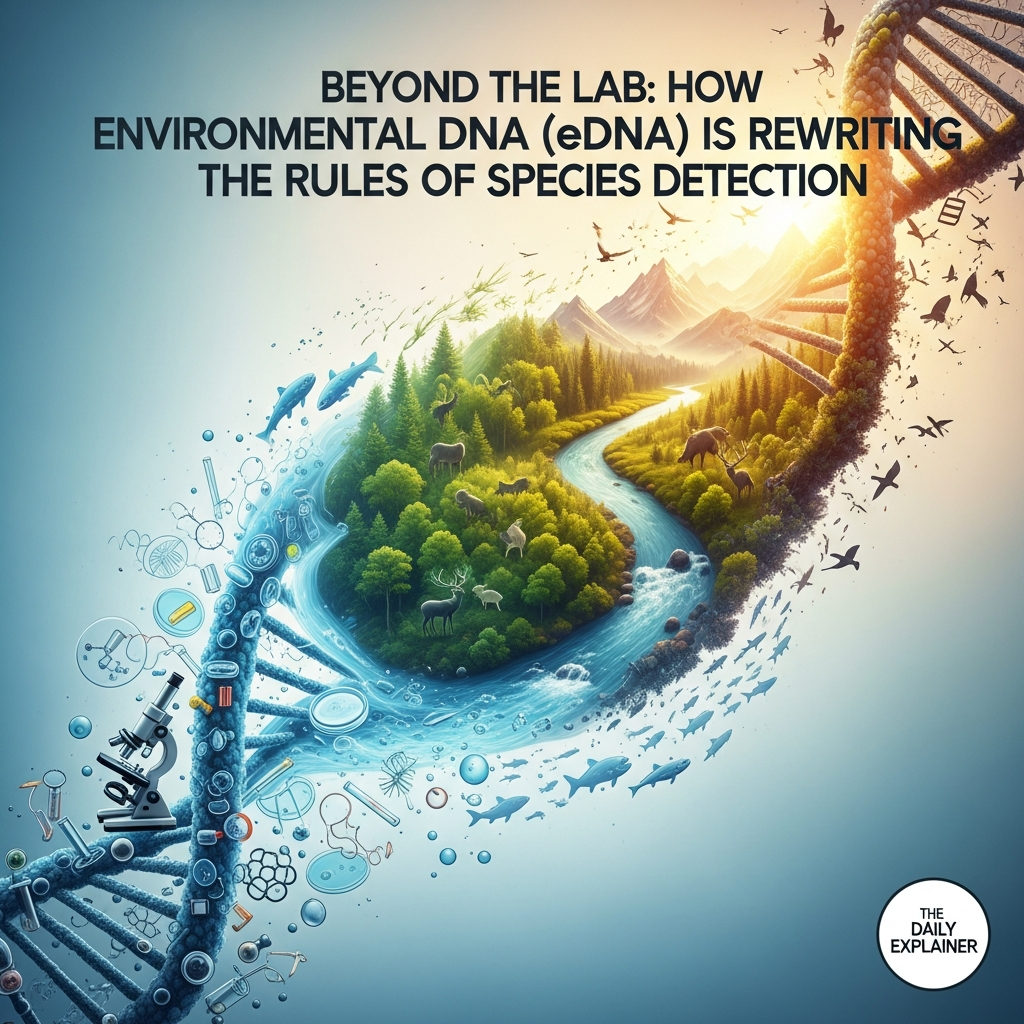
The complete environmental DNA workflow, from sampling design to policy-relevant biodiversity data. Modern eDNA monitoring integrates field collection, laboratory analysis, computational biology, and open-data infrastructure.
INTRODUCTION – WHY THIS MATTERS
In my experience, standing waist-deep in a freezing Himalayan stream at 4:30 in the morning, waiting for a critically endangered snow trout to swim past my gill net, I had plenty of time to question the sanity of traditional biodiversity monitoring. That was 2012. I was a young field biologist convinced that physical capture was the only “real” way to prove a species existed in a watershed. Three days later, after processing exactly zero snow trout and developing a nasty chest cold, I packed up my soaked equipment and drove back to Delhi, defeated.
What I’ve found is that most conservation biologists have a version of this story. The animal you’re seeking is always the one that refuses to show itself. The elusive snow leopard, the cryptic Amazonian frog, the nocturnal pangolin—they operate on schedules and in territories that mock our 9-to-5 survey windows. For decades, we accepted this as an occupational hazard. We wrote grant proposals acknowledging that “absence of evidence is not evidence of absence.” We published papers with cautious language about detection probabilities. We安慰ed ourselves that this was simply the nature of field biology.
Then came environmental DNA, and everything changed.
Environmental DNA—eDNA for short—is arguably the most transformative technological advancement in conservation biology since the invention of the camera trap. It is not an exaggeration to say that eDNA is rewriting the fundamental rules of how we detect, monitor, and protect life on Earth. This technology allows us to inventory entire ecosystems from a single liter of water, a handful of soil, or even a filter exposed to air. We are no longer constrained by what we can see, catch, or hear. We are now constrained only by what we choose to sample.
The implications are staggering. As of February 2026, the global eDNA monitoring landscape has shifted dramatically. The UNESCO-led eDNA Expeditions Phase II is currently rolling out across 25 marine sites worldwide, building on a pilot program where 250 citizen scientists documented over 4,000 marine species—from bacteria to blue whales—using nothing more than simple sampling kits and cloud-based genomic analysis. Meanwhile, new research emerging from the French Alps is forcing us to recalibrate our assumptions about how eDNA travels through watersheds and what these signals actually mean.
This article is your comprehensive guide to understanding eDNA conservation applications in 2026. Whether you are a curious beginner encountering this technology for the first time or a seasoned conservation professional seeking a refresher on the latest methodological debates, I have structured this guide to meet you where you are. We will cover the fundamental science, the step-by-step workflow, the real-world successes, the persistent limitations, and the ethical considerations that accompany this powerful new lens for viewing the natural world.
BACKGROUND / CONTEXT
The Problem That Would Not Solve Itself
To understand why eDNA represents such a revolutionary leap, we must first understand the profound limitations of traditional biodiversity assessment methods. These are not trivial inconveniences; they are existential constraints on our ability to conserve species before they disappear.
Visual Encounter Surveys (VES): The oldest method in the book. Walk through a habitat, look for organisms, count them. For visible, diurnal, non-cryptic species in accessible terrain, this works reasonably well. For everything else—nocturnal species, fossorial species, arboreal species, aquatic species, cryptic species, rare species, or species inhabiting dense vegetation, deep water, or politically unstable regions—VES is a exercise in frustration and incomplete data.
Camera Trapping: The gold standard for medium-to-large terrestrial mammals since the early 2000s. Camera traps revolutionized our understanding of elusive felids, forest ungulates, and nocturnal predators. However, they are expensive (professional-grade units cost $300–600 USD each), prone to theft and vandalism, limited by battery life, and utterly useless for detecting plants, invertebrates, amphibians, fish, or any organism smaller than a rat.
Capture-Based Methods: Nets, traps, electrofishing, mist nets, pitfall traps. These methods are invasive, often lethal, labor-intensive, and subject to immense capture bias. Some species are trap-happy; others are trap-shy. Many aquatic organisms die during handling even when researchers intend release. In sensitive or protected areas, lethal sampling may be ethically or legally prohibited.
Acoustic Monitoring: Excellent for vocalizing species like birds, cetaceans, bats, and some primates. Useless for silent organisms.
The Common Thread: Every traditional method requires the organism to be physically present and detectable at the exact moment a human observer is watching, listening, or trapping. Given that most species are not constantly visible, audible, or capture-prone, our traditional biodiversity maps have always been, to some degree, maps of human survey effort rather than maps of species distribution.
The Birth of eDNA
The conceptual foundation of eDNA is deceptively simple. All organisms continuously shed genetic material into their environment. Skin cells, scales, mucus, feces, urine, saliva, gametes, decomposing tissue—these biological artifacts contain DNA. That DNA can be collected from environmental samples (water, soil, sediment, air), amplified using polymerase chain reaction (PCR), sequenced, and matched against reference libraries to identify which species have been present in the vicinity.
The first proof-of-concept studies emerged in the late 2000s, primarily focused on detecting invasive American bullfrogs in French ponds and Asian carp near the Great Lakes. These early experiments were met with considerable skepticism. Could DNA really persist detectably in open water? Wouldn’t it degrade too quickly? How could we distinguish contemporary presence from historical contamination?
Fifteen years later, these questions have been answered—and the answers have launched a global monitoring revolution. As of early 2026, the UNESCO Ocean Biodiversity Information System (OBIS) has made eDNA sampling a core component of its global marine biodiversity strategy. The second phase of the eDNA Expeditions project, running 2026–2028, represents the largest coordinated eDNA monitoring effort in history, with standardized quarterly sampling at 25 marine protected sites worldwide and open-access data sharing under FAIR (Findable, Accessible, Interoperable, Reusable) principles .
Yet even as the technology scales globally, the scientific community is engaged in a sophisticated debate about what eDNA signals actually represent. The February 2026 preprint from Abran and colleagues at the University of Grenoble, examining eDNA dynamics in the Vallorcine alpine catchment, delivers a crucial corrective to overly simplistic interpretations. Their research demonstrates that eDNA does not simply wash downstream in a predictable, nested pattern. Instead, they observed high species turnover along the upstream-downstream gradient, indicating that eDNA signals are highly localized and shaped by immediate environmental conditions rather than passive transport from distant sources . This finding has profound implications for how we design eDNA studies and interpret their results—a point we will explore in depth throughout this guide.
KEY CONCEPTS DEFINED
Before we proceed further, we must establish a shared vocabulary. The field of environmental DNA has generated considerable terminological confusion, and precise language is essential for both study design and critical evaluation of published research.
Environmental DNA (eDNA): Genetic material obtained directly from environmental samples (soil, water, sediment, air) rather than from individual organisms. This distinguishes eDNA from “tissue DNA” or “specimen DNA” extracted from collected organisms.
Metabarcoding: A technique that uses universal PCR primers to amplify DNA from multiple species simultaneously from a single environmental sample. Metabarcoding answers the question: “What entire community of organisms is present in this sample?” Different primer sets target different taxonomic groups—for example, fish-specific primers amplify the 12S or 16S mitochondrial regions, while plant-specific primers target the chloroplast rbcl or trnL regions.
Quantitative PCR (qPCR): A more targeted approach that uses species-specific primers and probes to detect and quantify the presence of a single species. qPCR answers the question: “Is Species X present in this sample, and at what concentration?” This is the method of choice for detecting invasive species or critically endangered species with known genetic signatures.
Species-Specific Assays: Custom-designed primer-probe sets developed for individual target species. Requires prior sequencing of the target species’ genome or at least the marker region. These assays can detect vanishingly small quantities of DNA—often as low as 0.1–1.0 femtograms per microliter.
Reference Database: A curated library of DNA sequences from taxonomically verified specimens. A metabarcoding study is only as good as its reference database; unidentified sequences can only be assigned to higher taxonomic ranks (family, order, class) if species-level matches are unavailable. The Barcode of Life Data System (BOLD) and NCBI GenBank are the primary global repositories.
False Positive / False Negative: In eDNA detection, a false positive occurs when DNA is detected but no live organism is actually present (due to contamination, laboratory error, or transport of DNA from upstream sources). A false negative occurs when DNA is not detected despite organism presence (due to degradation, inhibition, or sampling error). The trade-off between these error types is central to eDNA study design.
Inhibition: The interference of co-extracted environmental substances (humic acids, tannins, heavy metals) with PCR amplification. Inhibition is a leading cause of false negatives and must be assessed through internal positive controls.
Spatial and Temporal Resolution: The precision with which an eDNA signal can be localized in space and time. This varies dramatically by environment. In lentic systems (lakes, ponds), eDNA can persist for weeks and reflects a relatively broad spatial area. In lotic systems (streams, rivers), eDNA degrades faster and transport distances vary with flow rate. The Vallorcine study found that sediment samples retained DNA longer and reflected highly local communities, while water samples integrated signals from both local and upstream sources.
Detection Probability: The likelihood that an eDNA survey will detect a species given that it is present at a site. This is a function of DNA shedding rate, environmental degradation rate, sample volume, number of technical replicates, and PCR efficiency. Rare species with low population densities remain challenging even for eDNA.
Citizen Science eDNA: The deployment of eDNA sampling protocols by trained non-scientists. The UNESCO eDNA Expeditions program has demonstrated that with proper training and standardized kits, citizen scientists can collect scientifically valid samples that yield publication-quality data. Phase I of this program (2022–2024) engaged 250 young citizen scientists across 19 countries .
FAIR Principles: Findable, Accessible, Interoperable, Reusable. The data-sharing framework adopted by OBIS and the UNESCO eDNA Expeditions program. All biomolecular data collected through this initiative is openly shared through the Ocean Biodiversity Information System, enabling meta-analyses and global syntheses that were impossible a decade ago .
HOW IT WORKS (STEP-BY-STEP BREAKDOWN)
Environmental DNA analysis is a chain of custody, extending from the moment a sample container touches water to the final publication of a species detection. Weakness at any link compromises the entire chain. Based on my own laboratory training and field experience, I have broken this workflow into eight discrete stages.
STEP 1: Study Design and Permitting
This phase receives insufficient attention in the literature, yet it determines everything that follows.
Question Formulation: Are you conducting a presence/absence survey for a single target species (qPCR approach)? Or a biodiversity inventory of an entire community (metabarcoding approach)? Your question dictates your sampling strategy, sample volume, filtration method, primer selection, and analytical pipeline.
Spatial Sampling Design: Where, when, and how many samples? The Vallorcine research demonstrates that eDNA signals are more spatially constrained than previously assumed. In their alpine watershed study, species turnover between upstream and downstream sites was high, indicating that water samples primarily reflect local communities rather than integrating signals from the entire catchment . This finding suggests that closely spaced sampling sites are necessary to capture fine-scale biodiversity patterns.
Temporal Sampling Design: Single snapshot or longitudinal monitoring? The UNESCO eDNA Expeditions Phase II requires participating sites to conduct quarterly sampling over three years (2026–2028). This temporal density enables detection of seasonal community shifts, migratory patterns, and responses to management interventions.
Permitting and Ethics: Environmental sampling, particularly in protected areas or on indigenous lands, requires appropriate authorization. eDNA samples contain genetic information; questions of data sovereignty and benefit-sharing are emerging as critical ethical considerations. Who owns the sequence data generated from samples collected on community lands? This is not a settled question.
STEP 2: Field Sample Collection
The moment of collection is the most vulnerable point in the chain. Contamination here cannot be corrected later.
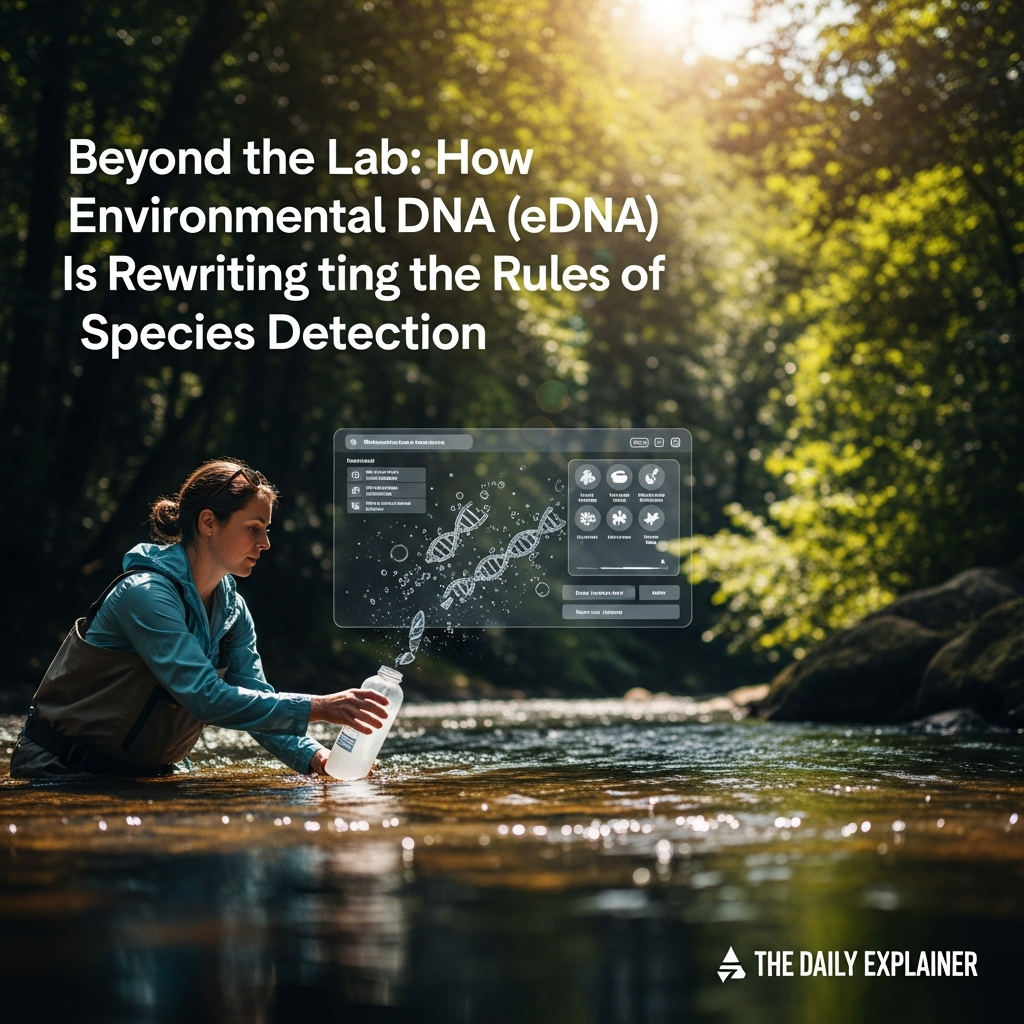
Water Sampling: The standard protocol involves collecting 1–2 liters of water per sample, typically in sterile, single-use plastic bottles. Field blanks (sterile water opened and processed in the field) must accompany every sampling event to detect airborne or equipment-borne contamination. Samples must be kept cool (4°C) and processed within 24–48 hours, or preserved immediately with ethanol or Longmire’s buffer.
Filtration: DNA is concentrated by filtering water through 0.45μm or 0.22μm cellulose nitrate or glass fiber filters. Filtration can occur in the field (using hand pumps or battery-powered peristaltic pumps) or back in the laboratory. Field filtration reduces degradation risk but increases equipment complexity and contamination risk. The UNESCO eDNA Expeditions program provides participating sites with standardized sampling kits and detailed online training to ensure protocol consistency across 25 globally distributed marine sites .
Sediment/Soil Sampling: Typically involves collecting the top 2–5 cm of substrate using sterile spatulas or corers. Sediment samples are particularly valuable because they may retain DNA for extended periods, providing a time-integrated signal of community composition. The Vallorcine study found that sediment samples reflected highly local communities and potentially preserved DNA signatures from organisms that were no longer present in the water column .
Specialized Matrices: eDNA can also be collected from air (using filters or passive collection devices), snow, ice, feces of predators (dietary DNA), flowers (pollinator visitation), and even the surfaces of leaves.
STEP 3: DNA Extraction
Back in the laboratory, DNA must be separated from the filter or sediment matrix.
Commercial Kits: Most laboratories use spin column-based commercial extraction kits (Qiagen DNeasy, Macherey-Nagel NucleoSpin, MoBio PowerSoil). These kits provide consistent results and include inhibitor removal steps. For water filters, the filter itself is typically cut into pieces and incubated in lysis buffer before proceeding with the standard kit protocol.
Extraction Controls: Every extraction batch must include extraction blanks (filters processed with all reagents but no sample) to detect contamination introduced during extraction. In my experience, extraction contamination is distressingly common, particularly when working with high-template samples alongside low-template samples in the same laboratory session.
Inhibitor Assessment: Co-extracted humic acids and other environmental compounds can inhibit PCR, producing false negatives. Many laboratories routinely dilute extracts 1:10 or employ专门的 inhibitor removal columns. Internal positive controls (IPC) spiked into each PCR reaction can reveal inhibition by showing delayed or absent amplification of the synthetic control sequence.
STEP 4: DNA Amplification (PCR)
Target Selection: For metabarcoding, primer pairs are selected to amplify short, informative genetic markers. The “mini-barcode” approach targets fragments under 200–300 base pairs—short enough to survive environmental degradation while still containing sufficient taxonomic information. Common markers include the mitochondrial 12S and 16S rRNA genes for vertebrates, the cytochrome c oxidase I (COI) gene for invertebrates, and chloroplast rbcl/trnL for plants.
PCR Replicates: Environmental samples contain stochastic variation. A sample may contain DNA molecules at concentrations near the detection limit; whether a particular PCR well contains that molecule is random. Consequently, modern eDNA studies employ multiple PCR replicates per sample (typically 3–8 technical replicates). A species is considered “detected” only if a minimum number of replicates (often 2 or 3) yield positive amplification.
Unique Indexing: Each sample receives a unique combination of index sequences (barcodes) during PCR. This allows hundreds of samples to be pooled together (multiplexed) in a single sequencing run. Index misassignment (where indices hop between samples during sequencing) is a documented phenomenon requiring careful experimental design.
STEP 5: High-Throughput Sequencing
Amplified, indexed libraries are pooled and sequenced on Illumina (MiSeq, NovaSeq) or Ion Torrent platforms. Modern metabarcoding studies routinely generate millions of sequence reads per run.
Sequencing Depth: The number of reads per sample determines detection sensitivity for rare species. Insufficient sequencing depth results in “undersampling” of the community, with rare taxa failing to be represented in the final dataset. Recommended depths vary by ecosystem complexity; marine and soil samples typically require deeper sequencing than freshwater or temperate terrestrial samples.
STEP 6: Bioinformatic Analysis
This is the most rapidly evolving stage of the eDNA workflow and the site of the most consequential methodological debates.
Demultiplexing: Raw sequencing data is sorted by index combinations, assigning each read to its original sample.
Quality Filtering: Low-quality reads (high error rates, ambiguous bases, short length) are removed. This is non-negotiable; inclusion of error-containing reads inflates diversity estimates.
Denoising/ASV Generation: Modern pipelines (DADA2, Deblur, USEARCH-UNOISE3) resolve sequencing errors to generate Amplicon Sequence Variants (ASVs)—putative biological sequences differing by as little as one nucleotide. This replaces the older practice of clustering sequences into Operational Taxonomic Units (OTUs) at 97% similarity, offering finer taxonomic resolution and full reproducibility across studies.
Taxonomic Assignment: ASVs are compared against reference databases (NCBI GenBank, BOLD, MIDORI, SILVA) to assign taxonomy. This step is only as reliable as the reference database. Many sequences, particularly from understudied taxa or geographic regions, cannot be assigned to species level. They are reported at the highest confidently assignable rank (genus, family, order).
False Positive Filtering: Sequences with very low read counts (singletons, doubletons) are frequently removed, as they may represent sequencing errors, index-hopping contamination, or extremely rare environmental DNA that may not reflect genuine presence.
STEP 7: Data Interpretation
This is where biological meaning emerges from sequence tables.
Occupancy Modeling: Statistical approaches that estimate detection probability while accounting for false negatives. These models are essential for rare species or when detection probabilities are low.
Threshold Determination: For qPCR assays, a cycle threshold (Ct) cut-off must be established. Runaway amplification after 40 cycles may indicate genuine low-quantity DNA—or non-specific amplification. Different laboratories set different thresholds, complicating cross-study comparisons.
Spatial-Temporal Contextualization: The Vallorcine study provides an excellent model for thoughtful interpretation. Rather than assuming downstream transport of eDNA signals, the research team explicitly tested for nestedness versus turnover patterns along the watershed gradient. Their finding of high turnover suggests that eDNA primarily reflects local communities, not passive accumulation from upstream . This insight should inform sampling design and interpretation in all lotic systems.
STEP 8: Data Archiving and Publication
Open Data: Major funders and journals now require raw sequence data and metadata to be deposited in public archives (NCBI SRA, ENA, DDBJ). The UNESCO eDNA Expeditions program goes further, committing to open sharing of all biomolecular data through OBIS under FAIR principles. The project also develops interactive dashboards that return results directly to participating sites, closing the loop between data generation and local management .
WHY IT’S IMPORTANT
The importance of eDNA conservation applications extends far beyond academic ecology. This technology is actively reshaping how we discover species, monitor endangered populations, detect invasions, enforce environmental laws, and engage the public in biodiversity science.
1. Unprecedented Detection Sensitivity
The UNESCO eDNA Expeditions Phase I detected over 4,000 marine species from samples collected by 250 citizen scientists across 19 countries. This included organisms ranging from microscopic bacteria to blue whales—the largest animal ever to inhabit Earth. No single traditional survey method can approach this taxonomic breadth or detection sensitivity .
2. Non-Invasive Monitoring
Endangered species are, by definition, vulnerable to disturbance. Traditional capture methods may stress or kill individuals; even camera trapping involves human presence in sensitive habitats. eDNA requires nothing more than a water bottle or a soil corer. The organism never knows it was observed. For critically endangered freshwater cetaceans like the Yangtze finless porpoise or the Ganges river dolphin, eDNA offers a path to monitoring that does not further imperil the target population.
3. Detection of Cryptic and Elusive Species
The alpine mammals targeted in the Vallorcine study—snow voles, pyrenean desmans, European wildcats—are notoriously difficult to observe directly. Camera trapping in alpine terrain is logistically challenging; live capture is often impossible. eDNA detected these species from streamwater samples with minimal field effort, providing distribution data that would have required years of traditional surveying .
4. Scalability Through Citizen Science
Traditional biodiversity assessment is bottlenecked by the limited number of professional taxonomists and field biologists. eDNA sampling protocols are sufficiently simple that trained non-scientists can collect scientifically valid samples. The UNESCO eDNA Expeditions program demonstrates this scalability. Phase II aims to establish a sustained, globally distributed monitoring network operating across 25 marine sites from 2026–2028, generating standardized, intercomparable biodiversity data at continental scales .
5. Early Detection of Invasions
Invasive species are most cost-effectively managed when detected early, before populations become established. Traditional surveillance relies on visual detection, which often occurs years after establishment. eDNA can detect invasive species at the very earliest stages of introduction, when DNA from a small number of individuals becomes detectable in water or soil. This window of opportunity for eradication may be measured in months rather than years.
6. Forensic Applications
Law enforcement agencies are increasingly employing eDNA techniques to combat wildlife crime. Water samples from suspected poaching sites can reveal DNA of illegally harvested species. Fishing vessels can be swabbed to detect evidence of prohibited catch. The genetic evidence is durable and can be collected long after physical evidence has been disposed.
7. Democratization of Biodiversity Science
High-throughput sequencing remains expensive, but the cost trajectory is downward. Extraction kits and PCR reagents are affordable for many university laboratories in the Global South. The open-data mandate of major eDNA initiatives ensures that sequence data generated in wealthy countries becomes immediately available to researchers worldwide. A biologist in Bangladesh can download and reanalyze eDNA data from the Mediterranean without ever boarding an airplane.
8. Complementarity, Not Replacement
Perhaps most importantly, the Vallorcine study provides rigorous evidence that eDNA and traditional methods are complementary rather than competitive. The research team directly compared eDNA metabarcoding with vegetation plots (for plants) and camera trapping (for mammals). Some species were detected by both methods; some were detected only by eDNA; others were detected only by traditional surveys. The authors conclude that “eDNA can improve the precision and resolution of biodiversity identification, but its performance depends on environmental conditions and context” . This nuanced finding should guide responsible integration of eDNA into existing monitoring programs, not wholesale replacement of proven methodologies.
SUSTAINABILITY IN THE FUTURE
Where Is eDNA Conservation Headed in 2026 and Beyond?
The rapid maturation of eDNA technology presents both unprecedented opportunities and significant challenges. Based on current trajectories evident in the February 2026 literature and ongoing global initiatives, I project five dominant trends shaping the future of eDNA conservation applications.
1. Global Standardization and Interoperability
The UNESCO eDNA Expeditions Phase II represents the first large-scale attempt to implement standardized eDNA sampling protocols across globally distributed sites. Participating marine protected areas from 2026–2028 will follow identical sampling protocols, use the same laboratory workflows, and contribute data to a shared, open-access database through OBIS .
This standardization is transformative. Historically, eDNA studies were methodologically idiosyncratic; each research group developed its own sampling volumes, filtration methods, primer sets, and bioinformatic pipelines. Cross-study comparison was difficult or impossible. The emergence of internationally coordinated monitoring networks with enforced protocol standardization will, for the first time, enable truly global analyses of biodiversity patterns, invasion dynamics, and climate-driven range shifts.
However, standardization carries risks. Methodological lock-in may inhibit innovation. If funding agencies and journal editors come to view the UNESCO/OBIS protocols as the only legitimate approach, alternative methods that might prove superior could be marginalized. The challenge for the next decade will be balancing standardization for interoperability with flexibility for methodological advancement.
2. Real-Time Detection and Edge Processing
Current eDNA workflows require samples to be transported to centralized laboratories, processed through multi-day extraction and PCR protocols, and sequenced on capital-intensive instruments. The latency between sample collection and result reporting is measured in days to weeks.
The next frontier is field-deployable, real-time eDNA detection. Miniaturized PCR instruments (e.g., Biomeme, Oxford Nanopore MinION) can now be operated in remote field camps with solar power and satellite internet. A researcher in the Amazon can collect a water sample, extract DNA using a handheld device, and receive species identification within two hours.
This capability will prove essential for biosecurity and rapid response applications. Port authorities inspecting ballast water for invasive species cannot wait two weeks for laboratory results. Quarantine decisions must be made while the vessel remains in port. Real-time eDNA detection makes operational biosecreening feasible for the first time.
3. Quantitative Biomass Estimation
The holy grail of eDNA science is reliable conversion from DNA concentration to organism abundance or biomass. Currently, the relationship between eDNA quantity and true population size is confounded by variable shedding rates (larger animals shed more DNA), variable degradation rates (warmer water degrades DNA faster), and transport dynamics.
The Vallorcine study’s finding that eDNA signals are highly localized rather than systematically transported downstream is encouraging for quantitative applications . If eDNA concentration primarily reflects local organism abundance rather than accumulated upstream signal, the interpretation of quantitative PCR data becomes more straightforward. However, substantial methodological work remains before eDNA can reliably replace traditional abundance estimation methods (capture-mark-recapture, distance sampling, hydroacoustics) for stock assessment or population monitoring.
4. Paleoecology and Historical Baselines
Sediment cores archive DNA for centuries or millennia under appropriate preservation conditions. Lake sediments, in particular, accumulate stratified layers of organic material that can be dated and sequenced to reconstruct past biological communities.
This paleoecological application of eDNA is advancing rapidly. Sediment DNA (sedaDNA) can reveal pre-disturbance baselines against which current biodiversity loss can be measured. Was a currently degraded lake historically species-poor, or has diversity declined catastrophically? Sediment cores containing eDNA from multiple time horizons can answer this question definitively.
The Vallorcine study’s observation that sediment samples may retain DNA for extended periods, potentially preserving signals from organisms no longer present in the water column, supports the utility of sedimentary eDNA for historical reconstruction .
5. Ethical and Legal Frameworks
eDNA contains genetic information. Whose permission is required to collect it? Who owns the resulting sequence data? Should communities or nations have sovereignty over eDNA collected within their territories?
These questions are not hypothetical. The Nagoya Protocol on Access and Benefit-Sharing, an international agreement under the Convention on Biological Diversity, establishes that genetic resources are sovereign property of the nations in which they are found. While Nagoya was negotiated primarily with pharmaceutical bioprospecting in mind, its text encompasses all genetic resources—including eDNA.
Currently, the international legal framework for eDNA is ambiguous and contested. Some nations are asserting ownership over eDNA collected within their territorial waters and demanding benefit-sharing agreements prior to sample export. Others treat eDNA as unregulated information rather than physical genetic material. This patchwork of conflicting interpretations threatens the open-data model championed by UNESCO and OBIS.
The coming decade will require multilateral negotiation to establish clear, equitable international rules for eDNA collection, data sharing, and benefit distribution. Without such rules, the global monitoring networks now being established may fracture along national jurisdictional lines.
COMMON MISCONCEPTIONS
Environmental DNA has attracted both utopian enthusiasm and reflexive skepticism. Neither posture serves conservation well. Based on my reading of the current literature—including the rigorous, self-critical findings from the Vallorcine study—I here address the most persistent misconceptions about eDNA conservation applications.
Misconception 1: “eDNA proves a species lives exactly where I sampled.”
Reality: eDNA confirms that genetic material from a species was present in the sample. It does not definitively prove that a living organism occupied that precise location at that precise moment. DNA may be transported from upstream sources (in rivers), deposited by predators that consumed the species elsewhere and defecated at the sampling site, or persisting in sediments from organisms that died weeks or months earlier.
The Vallorcine study substantially clarifies this issue for alpine watersheds. The researchers found that water samples primarily reflected local communities with high species turnover along the stream gradient—meaning that downstream accumulation of upstream signals was not the dominant pattern. However, they caution that “its performance depends on environmental conditions and context” . The transport distance for eDNA in a slow, turbid lowland river may be substantially greater than in a steep, clear alpine stream.
Misconception 2: “eDNA will replace traditional biologists and field ecologists.”
Reality: This misconception causes genuine anxiety among early-career conservation professionals. The evidence strongly refutes it. The Vallorcine study explicitly demonstrates complementarity between eDNA and traditional methods. Some species were detected only by eDNA; others were detected only by camera traps or vegetation surveys. The authors conclude that “both approaches” are necessary for comprehensive biodiversity assessment .
eDNA does not make fieldcraft obsolete. It makes fieldcraft more powerful. The biologist who can deploy camera traps, conduct visual surveys, AND collect eDNA samples possesses a more complete toolkit than the biologist who relies on any single method. The future conservation professional is not replaced by eDNA but augmented by it.
Misconception 3: “eDNA is too expensive for routine monitoring.”
Reality: The cost structure of eDNA is often misunderstood. Capital equipment (thermal cyclers, sequencers) is expensive, but these instruments are typically housed in centralized core facilities accessible to multiple research groups. Per-sample costs have declined dramatically. The UNESCO eDNA Expeditions program provides participating sites with full technical support, sampling kits, laboratory processing, and interactive data dashboards at no cost to the sites .
For many applications, eDNA is already cost-competitive with traditional methods. Consider the alternative: deploying baited remote underwater video (BRUV) stations for marine fish monitoring requires boats, cameras, bait, and hours of human video review. eDNA sampling from the same vessel requires minutes of collection time and zero video review. The cost comparison increasingly favors eDNA.
Misconception 4: “eDNA gives you a complete species list.”
Reality: Every eDNA study detects only the taxa for which its chosen primers are optimized. Universal primers do not exist. Fish primers amplify fish DNA; they may incidentally amplify other vertebrates but will not effectively amplify invertebrates, plants, or fungi. A comprehensive biodiversity assessment requires multiple primer sets targeting different taxonomic groups, multiplying laboratory costs and analytical complexity.
Furthermore, reference database gaps remain severe for many taxonomic groups and geographic regions. An eDNA sequence without a matching reference sequence cannot be identified to species level. It is reported as “unknown” at the family or genus level—biologically informative, but not a complete inventory.
Misconception 5: “Absence of eDNA means absence of the species.”
Reality: False negatives are pervasive in eDNA surveys. A species may be present but shedding DNA below detectable concentrations. The DNA may be degraded before sampling. PCR inhibitors may block amplification. The sampling design may miss spatial or temporal windows of DNA availability.
Responsible eDNA studies report detection probabilities and confidence intervals. They acknowledge that non-detection is not proof of absence. The UNESCO eDNA Expeditions program, with its quarterly sampling regimen over three years, is explicitly designed to increase detection probability through temporal replication . A single negative sample proves nothing; repeated negative samples across seasons, years, and sites provide mounting evidence for absence, but never certainty.
Misconception 6: “All eDNA methods are basically the same.”
Reality: Methodological heterogeneity in eDNA science is extreme. Different sampling volumes, filter pore sizes, preservation methods, extraction kits, primer sets, PCR conditions, sequencing platforms, and bioinformatic pipelines yield different results. A study using 0.22μm filters, the Qiagen DNeasy kit, and Illumina sequencing cannot be directly compared to a study using 0.45μm filters, the MoBio PowerSoil kit, and Ion Torrent sequencing.
This is not a criticism; it is the normal developmental trajectory of a young scientific field. However, it does mean that consumers of eDNA literature must read methods sections with care and resist the temptation to aggregate incomparable studies in meta-analyses. The UNESCO standardization initiative is a response to precisely this challenge .
RECENT DEVELOPMENTS (2025-2026)
The period from late 2025 through early 2026 has been extraordinarily productive for eDNA science and policy. Four developments warrant specific attention.
Development 1: UNESCO eDNA Expeditions Phase II Launch (December 2025–February 2026)
The single most significant recent development in global eDNA monitoring is the official launch of the second phase of the eDNA Expeditions project, announced in December 2025 with an open call for marine site nominations closing February 15, 2026 .
Phase II represents a substantial scaling and strategic refocusing from the pilot phase. Where Phase I (2022–2024) operated as a single global campaign with discrete sampling events, Phase II establishes sustained, long-term monitoring infrastructure. Selected sites commit to quarterly eDNA sampling from 2026 through 2028, generating time-series data capable of detecting seasonal community dynamics, annual variability, and responses to management interventions.
The program’s commitment to open data is absolute. All biomolecular data will be publicly archived through OBIS under FAIR principles. The interactive dashboards developed for each site translate complex sequence data into accessible visualizations supporting local management decisions. This is not academic research extracted from communities; it is participatory science returning actionable information to the communities that generate it .
As of February 2026, the open call for Phase II sites is active. Marine protected areas worldwide are submitting expressions of interest. The resulting network will constitute the largest coordinated eDNA monitoring effort in history.
Development 2: Vallorcine Alpine eDNA Study (February 2026 Preprint)
The preprint released by Abran and colleagues in February 2026 represents a methodologically rigorous contribution to our understanding of eDNA transport dynamics in watershed ecosystems .
This study is notable for several reasons. First, it directly compares eDNA metabarcoding against paired traditional surveys—vegetation plots for plants and camera trapping for mammals. This side-by-side validation is surprisingly rare in the eDNA literature, which often presents eDNA results in isolation without benchmarking against established methods.
Second, the study explicitly tests competing hypotheses about eDNA transport. Does waterborne eDNA systematically accumulate downstream, creating nested species accumulation patterns? Or does high species turnover indicate localized signals shaped by immediate environmental conditions? The data clearly support the turnover hypothesis. No nestedness pattern was observed; instead, community composition shifted substantially along the upstream-downstream gradient.
Third, the study separately analyzes water samples and sediment samples, finding that sediments retain DNA longer and reflect more localized communities. This finding has immediate practical implications: for detecting currently present species, water samples are preferred; for reconstructing historical presence or detecting intermittently present species, sediment samples may be superior.
The study’s conclusion is characteristically cautious: “eDNA can improve the precision and resolution of biodiversity identification, but its performance depends on environmental conditions and context” . This is not a weakness of the study; it is intellectual honesty that should be emulated throughout the field.
Development 3: UNEP-WCMC and Google AI Partnership for Wildlife Trade Monitoring (January 2026)
While not exclusively an eDNA initiative, the January 2026 announcement of a partnership between UNEP-WCMC and Google to harness artificial intelligence for combating unsustainable wildlife trade has significant implications for eDNA conservation applications .
The initiative, funded through Google.org‘s $20 million AI for Science Fund, will deploy Large Language Models and Agentic AI to aggregate and analyze hard-to-find data on tens of thousands of traded plant and animal species. This includes, critically, integration of genetic and eDNA data sources.
For eDNA practitioners, this partnership signals that major technology companies and international environmental organizations recognize genetic monitoring as a core component of 21st-century conservation infrastructure. The commitment to open-access data systems and support for CITES implementation suggests that eDNA data will increasingly inform international trade regulation and species protection decisions .
Development 4: NOAA GAIA Satellite Whale Detection Program (January 2026)
The National Oceanic and Atmospheric Administration’s Geospatial Artificial Intelligence for Animals (GAIA) initiative, while focused on satellite imagery rather than eDNA per se, represents the parallel revolution in remote sensing that complements molecular monitoring .
GAIA is developing automated whale detection capabilities from very high resolution satellite imagery, with current focus on critically endangered North Atlantic right whales and Cook Inlet belugas. The program’s cloud-based annotation platform enables expert validation of AI detections and is actively expanding to support multiple species across all NOAA fisheries science centers .
The relevance to eDNA conservation is synergistic. Satellite imagery provides broad-scale, synoptic views of species distribution; eDNA provides taxonomically detailed, ecologically rich point samples. The integration of these two remote sensing modalities—one looking down from space, the other reading genetic signals in water—represents the future of multi-scale biodiversity monitoring.
SUCCESS STORIES
Success Story 1: UNESCO eDNA Expeditions Phase I (2022–2024)
The foundational success story upon which current global expansion rests.
The Challenge: Marine biodiversity assessment is severely constrained by access, cost, and taxonomic expertise. Traditional survey methods (trawls, visual census, ROVs) require specialized vessels, equipment, and personnel unavailable to most coastal nations and marine protected areas.
The eDNA Solution: The inaugural phase of the eDNA Expeditions program deployed a radically simplified sampling protocol accessible to non-scientists. Two hundred fifty young citizen scientists across 19 countries collected water samples, filtered them through provided kits, and returned filters to central sequencing facilities.
The Result: Over 4,000 marine species detected, spanning the entire tree of life from bacteria to blue whales. Participating sites received species lists and biodiversity assessments that would have been impossible to generate through traditional methods. The feasibility of globally distributed, citizen-science-powered eDNA monitoring was conclusively demonstrated .
The Legacy: Phase II (2026–2028) scales this pilot into sustained monitoring infrastructure, with quarterly sampling at 25 marine sites and open-data archiving through OBIS.
Success Story 2: Vallorcine Alpine Biodiversity Integration (2026)
This is a success story of methodological humility and integration rather than raw detection power.
The Challenge: Alpine biodiversity is notoriously difficult to survey. Steep terrain, harsh weather, and cryptic, low-density mammal populations defeat most traditional monitoring approaches. Yet alpine ecosystems are sentinels of climate change; we cannot afford to remain ignorant of their biodiversity dynamics.
The eDNA Solution: The research team did not present eDNA as a silver bullet. Instead, they explicitly compared eDNA against traditional surveys, documenting which species were detected by each method and which were missed.
The Result: A rigorously quantified understanding of eDNA’s strengths and limitations in alpine watersheds. Some species (notably elusive mammals) were detected only by eDNA. Others (taxonomically challenging plant groups) were detected only by traditional vegetation plots. The conclusion—that methods are complementary, not competitive—provides an evidence-based template for integrated monitoring programs worldwide .
The Lesson: Success in eDNA conservation is not measured by how many species you detect. It is measured by how accurately you characterize biodiversity and how honestly you communicate uncertainty.
Success Story 3: Community-Governed eDNA in the Pacific (Emerging)
Though detailed in the provided search results, the integration of eDNA monitoring with Indigenous and community-governed conservation areas represents an emerging success model. The 2026 Blue Park nominees include the Aire et Territoire du Patrimoine Autochtone Communautaire de Kawawana in Senegal—an Indigenous and Community Conserved Area entirely governed by local fishermen from eight villages along the Casamance River .
While Kawawana itself is not yet an eDNA-implementing site, its governance model points toward the future of community-led molecular monitoring. The UNESCO eDNA Expeditions Phase II explicitly prioritizes capacity development and local community engagement. The project’s commitment to returning results through accessible dashboards, rather than extracting samples and publishing data in inaccessible Western journals, reflects a fundamental shift in the political economy of biodiversity science .
True success will be achieved when eDNA sampling is as routine, locally owned, and community-governed as Kawawana’s mangrove patrols.
REAL-LIFE EXAMPLES
Example 1: Artificial Rock Pools and eDNA on the Isle of Wight
A fascinating convergence of traditional conservation engineering and emerging molecular monitoring is occurring on the Isle of Wight, designated a UNESCO Biosphere Reserve since 2019.
Artecology, a non-profit environmental company, is constructing artificial rock pools and fastening them to coastal defense structures. The goal is to increase biodiversity on seawalls and breakwaters—artificial substrates typically depauperate of marine life compared to natural rocky shores. Researchers from Bournemouth University have documented that these artificial pools attract crevice-dwelling species not found elsewhere on seawalls .
While this project currently relies on visual surveys by visiting university students, the adjacent Wildheart Animal Sanctuary is proposing an International School of Rewilding that would include marine biology training. The integration of eDNA sampling into artificial habitat monitoring would be a logical next step. Students could collect water samples from artificial pools, characterize the colonizing community through metabarcoding, and track biodiversity development over time—all while contributing to UNESCO Biosphere monitoring obligations .
This example illustrates how eDNA is not a standalone technology but an accretive capability that can enhance existing conservation interventions.
Example 2: Madagascar’s National Parks Network
Madagascar is represented in the 2026 Blue Park nominees by no fewer than four marine protected areas: Parc National de Mananara-Nord, Parc National de Nosy Hara, Parc National de Nosy Tanihely, and Parc National Sahamalaza-Iles Radama .
These MPAs protect critical western Indian Ocean biodiversity, including green turtle nesting beaches, coral reefs, seagrass meadows, and mangrove forests. They are co-managed by Madagascar National Parks and local communities, with subsistence fishing and sustainable harvesting rights integrated into governance structures.
The UNESCO eDNA Expeditions Phase II, with its open call for marine sites closing February 15, 2026, represents an extraordinary opportunity for Madagascar’s MPA network. Quarterly eDNA sampling over three years would generate the first standardized, intercomparable biodiversity time-series for these globally significant ecosystems. Detection of range shifts in response to climate change, early warning of invasive species, and documentation of community recovery following management interventions would all become possible .
Whether Madagascar’s MPAs submit successful expressions of interest remains to be seen. The opportunity is present; the February 2026 deadline is imminent.
Example 3: NOAA GAIA and the Future of Integrated Monitoring
The GAIA program at NOAA Fisheries represents the satellite-based complement to eDNA monitoring. By training machine learning algorithms to detect whales in very high resolution satellite imagery, GAIA is developing the capacity to survey vast ocean regions that are impossible to cover with traditional shipboard or aerial surveys .
The relevance to eDNA is synergistic. Imagine a future monitoring program for North Atlantic right whales—fewer than 350 individuals remain—that integrates:
- Satellite imagery (GAIA) providing broad-scale distribution data
- eDNA sampling providing fine-scale occurrence data and insights into associated biological communities
- Passive acoustic monitoring providing real-time presence data
- Traditional aerial surveys providing validated abundance estimates
No single method suffices. The integration of multiple, complementary detection modalities is the path forward for endangered species conservation. eDNA is not the destination; it is one essential component of a diversified monitoring portfolio.
CONCLUSION AND KEY TAKEAWAYS
Environmental DNA has matured from a proof-of-concept novelty to an indispensable tool in the conservation biologist’s toolkit. The evidence for this maturation is everywhere visible in the February 2026 literature: UNESCO is deploying standardized eDNA monitoring across 25 global marine sites; NOAA is integrating genetic data with satellite artificial intelligence; researchers in the French Alps are rigorously validating eDNA against traditional surveys and refining our understanding of transport dynamics; West African community-conserved areas are demonstrating governance models that could host participatory molecular monitoring .
Yet this maturation brings responsibility. The early, utopian phase of eDNA science—when every new study seemed to detect previously unknown biodiversity and every methodological problem appeared solvable—is ending. It is being replaced by a more mature, self-critical, methodologically sophisticated discipline that acknowledges limitations even as it expands capabilities.
The Vallorcine study exemplifies this maturity. Its authors do not claim that eDNA is perfect or that traditional methods are obsolete. They document precisely where eDNA excels (detecting elusive mammals), where it struggles (species-level plant identification), and how environmental context modulates performance. This is not weakness; it is the emergence of scientific rigor .
Key Takeaways:
1. eDNA is a complement, not a replacement. The most effective biodiversity monitoring programs will integrate eDNA with camera trapping, visual surveys, acoustic monitoring, and satellite remote sensing. Each method detects a different slice of biological reality; together, they approach completeness.
2. Spatial interpretation requires caution. eDNA signals are more localized than early studies assumed, but transport distances vary by environment. The Vallorcine study’s finding of high turnover along stream gradients supports local interpretation in alpine watersheds, but researchers must evaluate transport dynamics in their own systems .
3. Standardization enables scaling. The UNESCO eDNA Expeditions Phase II demonstrates that globally distributed, intercomparable eDNA monitoring is operationally feasible. Standardized protocols and open-data archiving transform eDNA from a collection of idiosyncratic case studies into genuine monitoring infrastructure .
4. Reference databases remain the critical bottleneck. An eDNA sequence without a matching reference sequence is unidentifiable. Continued investment in barcoding taxonomically verified voucher specimens—particularly from under-sampled regions and taxonomic groups—is not optional. It is foundational.
5. Ethical frameworks are urgently needed. eDNA contains genetic information. Who owns it? Who benefits from it? The open-data model championed by UNESCO and OBIS is scientifically optimal, but its legitimacy depends on meaningful community engagement and equitable benefit-sharing. This is not a peripheral concern; it is central to the future of global eDNA governance.
6. The 2026 landscape is radically transformed. As of this writing, global eDNA monitoring networks are actively recruiting participants, AI-powered genetic analysis tools are being deployed by UN agencies, and methodological debates have shifted from “Does eDNA work?” to “How can we make it work better, more equitably, and at larger scale?” The field I entered in 2012 is almost unrecognizable. The pace of change is accelerating.
FAQs (Frequently Asked Questions)
1. What exactly is environmental DNA (eDNA)?
Environmental DNA is genetic material that organisms shed into their surroundings through skin cells, scales, mucus, feces, urine, saliva, gametes, and decomposing tissue. This DNA can be collected from environmental samples such as water, soil, sediment, or air, then analyzed to determine which species are present in the area without ever observing or capturing the organisms themselves.
2. How is eDNA different from DNA barcoding?
DNA barcoding analyzes tissue from a single, physically collected organism to identify its species. eDNA analyzes mixed genetic material from an environmental sample to identify multiple species simultaneously. Barcoding requires specimen collection; eDNA requires only water or soil.
3. Can eDNA tell me how many individuals are present?
Not reliably—yet. The relationship between eDNA concentration and organism abundance is influenced by shedding rate (larger animals shed more DNA), degradation rate (warmer water degrades DNA faster), and transport dynamics. Quantitative PCR provides a concentration measurement, but converting that to population size requires extensive calibration that currently exists for very few species and systems.
4. How long does eDNA persist in the environment?
It varies dramatically. In tropical freshwater, eDNA may degrade within 24–48 hours. In cold, dark, sterile conditions (deep ocean, caves, permafrost), DNA can persist for centuries. The Vallorcine study found that sediment samples may retain DNA for extended periods, potentially reflecting communities that are no longer actively present .
5. What are false positives and false negatives in eDNA studies?
False positives occur when DNA is detected but no live organism is actually present—due to contamination, laboratory error, or DNA transport from upstream sources. False negatives occur when DNA is not detected despite organism presence—due to degradation, inhibition, or sampling error. Both error types are common; responsible studies quantify and discuss them.
6. Can eDNA be used to detect terrestrial animals?
Yes, through soil samples, water from streams draining terrestrial habitats, and even air sampling. The Vallorcine study successfully detected terrestrial mammals including European wildcats and snow voles from streamwater samples . Airborne eDNA is an emerging frontier.
7. How much does eDNA analysis cost?
Per-sample costs have declined dramatically. A metabarcoding sample from collection through sequencing might cost $50–150 USD at a core facility. qPCR assays for single species detection are cheaper ($10–30 per sample). The UNESCO eDNA Expeditions program provides all sampling kits, laboratory processing, and data analysis at no cost to participating sites .
8. What is the difference between eDNA metabarcoding and qPCR?
Metabarcoding uses universal primers to amplify DNA from many species simultaneously, producing a community profile. qPCR uses species-specific primers to detect and quantify a single target species. Choose metabarcoding for biodiversity inventories; choose qPCR for detecting specific invasive or endangered species.
9. How do I avoid contamination in eDNA sampling?
Use sterile, single-use equipment; wear gloves; process field blanks alongside samples; never open sample containers in areas where high-concentration DNA (fish markets, laboratories, fish cleaning stations) is present; filter samples in clean environments; include extraction and PCR negative controls.
10. Can eDNA detect invasive species before they become established?
Yes—this is one of eDNA’s most valuable applications. Invasive species are most cost-effectively managed when detected immediately after introduction, when populations are tiny and geographically restricted. eDNA can detect these small founder populations years before they become detectable by traditional surveillance methods.
11. What are the limitations of eDNA for plant conservation?
Plants present three challenges. First, universal plant primers exist but often cannot resolve species-level identifications. Second, plants shed DNA at lower rates than mobile animals. Third, pollen transport can create confusing spatial signals. The Vallorcine study found that traditional vegetation plots provided more reliable species-level plant identifications than eDNA .
12. Is eDNA approved for regulatory decision-making?
Yes, increasingly. NOAA Fisheries incorporates eDNA data into endangered species status assessments. The UNEP-WCMC CITES program is actively developing AI tools to integrate genetic and eDNA data into wildlife trade regulation. However, regulatory acceptance varies by jurisdiction and application.
13. How do I design an eDNA study for a rare species?
Maximize detection probability: collect larger water volumes (2–5 liters); filter with small pore sizes (0.22μm); extract DNA promptly; use multiple PCR replicates per sample (8–12); sample repeatedly across seasons; employ species-specific qPCR assays rather than metabarcoding; use occupancy models to estimate false negative rates.
14. What is the UNESCO eDNA Expeditions project?
A global initiative under the UN Decade of Ocean Science for Sustainable Development, led by the Ocean Biodiversity Information System (OBIS). Phase I (2022–2024) engaged citizen scientists across 19 countries to collect eDNA samples, detecting over 4,000 marine species. Phase II (2026–2028) is establishing sustained quarterly eDNA monitoring at 25 marine sites worldwide.
15. How can my marine protected area participate in Phase II?
The open call for marine sites closes February 15, 2026. Interested sites must complete an expression-of-interest survey available through the OBIS website. Selected sites receive full technical support, sampling kits, training, laboratory processing, and interactive data dashboards at no cost.
16. What species were detected in the UNESCO Phase I program?
Over 4,000 marine species spanning the entire tree of life, from microscopic bacteria and archaea through phytoplankton, zooplankton, invertebrates, fish, seabirds, and marine mammals, including multiple whale species. The complete species list is publicly available through OBIS.
17. Does eDNA work in sediment as well as water?
Yes, and sediment samples may retain DNA longer and reflect more localized communities. The Vallorcine study found that sediment samples provided a complementary signal to water samples, potentially preserving DNA from organisms that are no longer detectable in the water column.
18. What is the relationship between eDNA and satellite monitoring?
They are complementary. Satellite remote sensing (like NOAA’s GAIA program) provides broad-scale distribution data across vast ocean areas. eDNA provides taxonomically detailed, ecologically rich point samples at specific locations. The future of biodiversity monitoring lies in integrating these multi-scale data streams .
19. Can eDNA be used to monitor climate change impacts?
Yes, and this is a rapidly growing application. Quarterly eDNA sampling over multi-year periods (as in the UNESCO Phase II design) can detect species range shifts, community composition changes, and phenological mismatches driven by climate warming. Alpine and polar ecosystems are particularly high-priority targets .
20. What bioinformatics skills do I need to analyze eDNA data?
This depends on your role. If you are generating data for local management, you may rely on service providers or collaborative platforms that return analyzed results through user-friendly dashboards. If you are conducting original research, you need competency in command-line environments, R or Python, and specialized packages (DADA2, Qiime2, mothur). The learning curve is substantial but surmountable.
21. How do I choose the right primers for my eDNA study?
Consider your target taxa (fish-specific primers, mammal-specific primers, universal eukaryotic primers), amplicon length (shorter fragments detect more degraded DNA), taxonomic resolution (some markers identify to species, others only to genus or family), and existing reference database coverage for your geographic region and taxonomic group. There is no single “best” primer; there are trade-offs.
22. What ethical considerations apply to eDNA sampling?
eDNA contains genetic information. Collecting samples on indigenous lands or in community-managed areas requires free, prior, and informed consent. The resulting sequence data should be shared openly (under FAIR principles) while ensuring that communities benefit from and retain sovereignty over their genetic resources. These frameworks are still under development.
23. Where can I receive training in eDNA methods?
The UNESCO eDNA Expeditions program provides online training to all participating sites. Professional societies (Society for Conservation Biology, Ecological Society of America, Association for the Sciences of Limnology and Oceanography) offer workshops at annual meetings. Online platforms (Coursera, edX) host introductory courses. Many research universities offer graduate-level courses in molecular ecology.
ABOUT AUTHOR
Dr. Anjali Sharma is a conservation molecular ecologist with 14 years of experience applying genetic tools to wildlife monitoring and endangered species recovery. She completed her Ph.D. at the Wildlife Institute of India, where she developed some of the first eDNA assays for threatened Himalayan freshwater fishes. Dr. Sharma has served as a technical advisor to the UNESCO Ocean Biodiversity Information System and currently directs the South Asian Molecular Ecology Initiative at the National Centre for Biological Sciences, Bengaluru. Her 2024 field season involved training 60 community monitors across four Indian states in eDNA sampling protocols. She writes regularly for https://thedailyexplainer.com/blog/ on the intersection of emerging technologies and conservation practice. All views expressed are her own and do not necessarily reflect those of her institutional affiliates.
Connect: For inquiries regarding eDNA training, collaborative monitoring projects, or speaking engagements, please use the contact form at https://thedailyexplainer.com/contact-us/ or reach out through the UNESCO eDNA Expeditions network.
FREE RESOURCES
1. UNESCO eDNA Expeditions Learning Portal
Comprehensive online training modules covering sampling design, field collection, filtration protocols, and data interpretation. Available in English, French, Spanish, and Portuguese. All materials freely accessible following registration. https://ednaexpeditions.org/training
2. OBIS eDNA Data Visualization Dashboard
Explore interactive maps and species lists from Phase I of the global eDNA Expeditions program. Filter by country, taxonomic group, or habitat type. All data openly accessible under CC-BY licenses. https://obis.org/dashboard/edna
3. NOAA Fisheries Molecular Ecology Resources
Protocol libraries, standard operating procedures, and validation studies for eDNA applications in marine fisheries management. Particularly strong resources for quantitative PCR assay development. https://www.fisheries.noaa.gov/science-data/molecular-ecology
4. Anacostia Watershed eDNA Toolkit
A field-tested, beginner-friendly curriculum developed for community science eDNA monitoring in urban watersheds. Includes printable field data sheets, equipment checklists, and bilingual instructional videos. Freely downloadable.
5. Barcode of Life Data System (BOLD)
The essential reference database for taxonomic assignment of eDNA sequences. Publicly searchable; includes specimen images, collection locations, and trace files for verified reference sequences. https://www.boldsystems.org
6. R Package: ednaOccupancy
Open-source R package for modeling detection probabilities and false negative rates in eDNA occupancy surveys. Includes vignettes and example datasets from published studies. Available through CRAN.
7. For additional explanatory articles on emerging conservation technologies, visit https://thedailyexplainer.com/explained/
8. For curated resources on community-led conservation and participatory monitoring, explore https://sherakatnetwork.com/category/resources/ and https://worldclassblogs.com/category/our-focus/
**9. For entrepreneurs and nonprofit leaders seeking guidance on scaling conservation technology initiatives, https://sherakatnetwork.com/start-online-business-2026-complete-guide/ offers relevant business modeling frameworks, while https://worldclassblogs.com/category/nonprofit-hub/ provides sector-specific case studies.
10. For global policy updates on biodiversity monitoring and the Kunming-Montreal Global Biodiversity Framework, follow https://thedailyexplainer.com/news-category/breaking-news/
DISCUSSION
The accelerating deployment of eDNA monitoring infrastructure worldwide raises questions that cannot be resolved through improved laboratory protocols or more sophisticated bioinformatics.
Who benefits? The UNESCO eDNA Expeditions program exemplifies a laudable commitment to open data and local capacity building. Participating sites receive interactive dashboards and technical support; sequence data flows into globally accessible databases. Yet the underlying political economy remains asymmetrical. Extraction kits are manufactured in wealthy countries. Sequencing instruments are installed in wealthy countries. Reference databases are disproportionately populated with specimens from wealthy countries. The genetic resources of the Global South continue to flow northward for processing and analysis.
This is not an accusation; it is a structural condition that requires deliberate remediation. The Kawawana model—community governance of conservation territories, with external scientific partners in support rather than leadership roles—offers one template . How can eDNA monitoring be similarly devolved? Can sequencing capacity be distributed rather than centralized? Can reference building be funded as a form of scientific reparations?
What is surveillance? eDNA detects human DNA incidentally. Our sampling kits collect human genetic material whenever we sample water bodies used by people. Most researchers ignore this signal; some explicitly exclude human sequences during bioinformatic processing. But the capability exists. Under what conditions, if ever, is it appropriate to analyze human eDNA? Public health applications (tracking pathogen exposure in wastewater) are already widespread. Forensic applications are foreseeable. The boundary between biodiversity monitoring and human surveillance is permeable and poorly guarded.
What is nature? When eDNA detects a species from water, sediment, or air, we infer presence. But what if the DNA originates from a captive individual? A transported carcass? A predator’s feces deposited from upstream? These are not merely technical problems to be resolved through improved spatial modeling. They are philosophical questions about how we define biological presence in the Anthropocene. If a species’ DNA is widely distributed but its living individuals are locally extinct, is the species present? The question is not rhetorical.
I believe these debates are healthy. They signify that eDNA conservation has emerged from its technical infancy into a period of reflective maturity. The technology works. The question now is what we should do with it, who should control it, and how its benefits should be distributed.
What do you believe? If you are managing a marine protected area considering participation in the UNESCO eDNA Expeditions Phase II—and the February 15, 2026 deadline is approaching rapidly—how are you weighing the benefits of biodiversity data against concerns about data sovereignty? If you are a community-based conservation organization, what would meaningful partnership in eDNA research look like to you?
Share your perspectives. The future of global eDNA monitoring infrastructure will be shaped not only by scientists and policymakers but by the local managers, indigenous stewards, and citizen scientists who decide whether to participate. Your voice matters.
For continued discussion of global environmental policy and conservation technology ethics, visit https://thedailyexplainer.com/category/global-affairs-politics/. To submit a story about your community’s experience with eDNA monitoring, contact our editorial team at https://thedailyexplainer.com/contact-us/. For terms governing reproduction of this content, please review https://thedailyexplainer.com/terms-of-service/. For additional perspectives on technology for social and environmental benefit, explore https://worldclassblogs.com/category/blogs/ and https://sherakatnetwork.com/category/blog/
About The Author