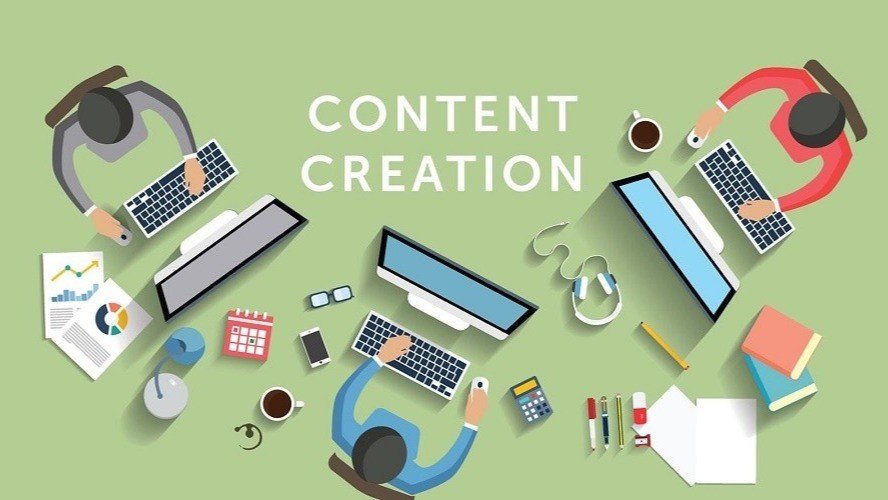
Figure 1: Today's digital content creators use diverse tools and platforms to produce engaging content across multiple formats.
Introduction: Why This Matters
Digital content creation has emerged as one of the most vital skills in today’s interconnected world, driving everything from brand building and business growth to personal expression and social change. In an era where attention is the new currency, the ability to create compelling, valuable digital content is no longer optional—it’s essential for anyone looking to make an impact online. Understanding digital content creation is crucial for businesses seeking to connect with customers, educators aiming to engage students, creators building audiences, and individuals wanting to establish their digital presence.
The statistics underscore this importance: according to recent data, businesses that prioritize content marketing experience 6x higher conversion rates than those that don’t. Meanwhile, the creator economy continues to explode, with over 50 million people globally considering themselves content creators. As explored in our analysis of the Media and Entertainment Industry, the lines between professional and user-generated content have blurred, creating unprecedented opportunities for those who master digital content creation.
This comprehensive guide from The Daily Explainer’s Content Strategy section will walk you through every aspect of effective digital content creation, from foundational strategy to advanced optimization techniques. Whether you’re a business owner, marketing professional, aspiring influencer, or simply someone who wants to communicate more effectively online, this guide provides the framework you need to succeed in the crowded digital landscape.
Part 1: Background and Context – The Evolution of Content Creation
The practice of digital content creation has undergone a remarkable transformation, reflecting broader technological and cultural shifts:
The Pre-Digital Era (Pre-1990s)
Content creation was largely the domain of professionals with access to expensive equipment and distribution channels. Publishing required significant resources, and gatekeepers like editors, producers, and distributors controlled what content reached audiences. The barrier to entry was high, and content creation was a specialized profession rather than an accessible skill.
The Early Internet and Blogging Revolution (1990s-2000s)
The advent of the world wide web and blogging platforms like Blogger and WordPress democratized written content creation. Suddenly, anyone with internet access could publish their thoughts to a global audience. This era saw the rise of the citizen journalist and the personal blogger, though multimedia content remained challenging to produce and distribute.
The Social Media Explosion (2005-2015)
Platforms like YouTube, Facebook, and Twitter revolutionized digital content creation by making multimedia content accessible and easily shareable. User-generated content became mainstream, and new formats like vlogs, status updates, and micro-content emerged. The smartphone revolution further accelerated this trend by putting powerful creation tools in everyone’s pocket.
The Professionalization of Content Creation (2015-2020)
As platforms matured, digital content creation evolved from a hobby to a profession. Content creators began treating their work as businesses, developing sophisticated strategies, building personal brands, and monetizing their audiences through multiple revenue streams. This period saw the emergence of the “influencer” as a new type of media personality and marketing channel.
The Platform Diversification Era (2020-Present)
Today’s content creators must navigate an increasingly complex ecosystem of platforms, each with its own algorithms, formats, and audience expectations. The rise of TikTok, the maturation of podcasting, and the integration of AI tools have created both new opportunities and new challenges for content creators seeking to build sustainable audiences and businesses.
Part 2: Key Concepts Defined
Mastering digital content creation begins with understanding these essential concepts:
Content Strategy
The planning, development, and management of content—written or in other media. The strategy should focus on achieving specific business objectives through content creation and distribution.
Content Marketing
A strategic marketing approach focused on creating and distributing valuable, relevant, and consistent content to attract and retain a clearly defined audience.
Search Engine Optimization (SEO)
The practice of increasing the quantity and quality of traffic to your website through organic search engine results, involving both on-page and off-page optimization techniques.
Content Calendar
A schedule of when and where you plan to publish upcoming content, helping to ensure consistent publication and strategic alignment across platforms.
Content Repurposing
The practice of reusing existing content and presenting it in a new format to expand its reach and lifespan, such as turning a blog post into a video or infographic.
Call to Action (CTA)
A prompt that tells the audience what action they should take next, such as “Subscribe,” “Download,” or “Learn More.”
User-Generated Content (UGC)
Any form of content created by users rather than brands, often shared through social media or other digital platforms.
Content Performance Metrics
The data points used to measure content effectiveness, including engagement rates, conversion rates, audience growth, and retention metrics.
Part 3: How It Works: The Content Creation Framework (Step-by-Step)
Successful digital content creation follows a systematic approach that ensures quality, consistency, and effectiveness:
Step 1: Strategy and Planning
Lay the foundation for effective content creation:
- Audience Research: Develop detailed audience personas understanding their needs, pain points, and content preferences
- Goal Setting: Define clear, measurable objectives for your content (brand awareness, lead generation, audience engagement)
- Content Audit: Analyze existing content to identify gaps, opportunities, and repurposing possibilities
- Platform Selection: Choose the right channels based on your audience demographics and content format strengths
Step 2: Ideation and Conceptualization
Generate and refine content ideas:
- Brainstorming Sessions: Use techniques like mind mapping, SWOT analysis, and trend monitoring to generate ideas
- Keyword Research: Identify search terms and topics your audience is actively seeking
- Competitor Analysis: Study successful content in your niche to understand what resonates
- Idea Validation: Test concepts through social listening, surveys, or small-scale content experiments
Step 3: Content Development and Creation
Transform ideas into finished content:
- Outline Creation: Develop structured outlines ensuring logical flow and comprehensive coverage
- Drafting and Production: Create the actual content using appropriate tools and software
- Quality Assurance: Implement editing and review processes to maintain quality standards
- Multimedia Enhancement: Incorporate relevant images, videos, infographics, and interactive elements
Step 4: Optimization and Preparation
Prepare content for maximum impact:
- SEO Optimization: Optimize content for search engines through keyword placement, meta descriptions, and internal linking
- Platform-Specific Formatting: Adapt content for different platforms and devices
- Accessibility Enhancements: Add alt text, captions, and other features to ensure content is accessible to all users
- Performance Tracking Setup: Implement analytics and tracking to measure content performance
Step 5: Distribution and Promotion
Ensure your content reaches its intended audience:
- Multi-Channel Distribution: Share content across selected platforms using optimal posting schedules
- Community Engagement: Actively participate in relevant communities and discussions to share content organically
- Email Marketing: Include content in newsletter campaigns and automated email sequences
- Paid Promotion: Use targeted advertising to amplify high-performing content to new audiences
Step 6: Performance Analysis and Optimization
Learn from your results to improve future content:
- Data Collection: Gather performance data from analytics platforms and social media insights
- Performance Analysis: Identify what content performs best and why
- Audience Feedback: Monitor comments, shares, and direct feedback to understand audience response
- Strategy Refinement: Use insights to refine your content strategy and creation processes
For those interested in the broader context of how content fits into the digital ecosystem, our guide to Mental Health in the Digital Age explores the psychological impact of content consumption.
Part 4: Why It’s Important – The Impact of Effective Content Creation
Mastering digital content creation delivers significant benefits across multiple domains:
1. Business Growth and Brand Building
High-quality content drives business results by attracting qualified leads, building brand authority, and establishing trust with potential customers. Companies that excel at content marketing experience significantly higher conversion rates and customer retention.
2. Audience Engagement and Community Building
Consistent, valuable content fosters meaningful connections with audiences, transforming passive consumers into active community members who advocate for your brand and provide valuable feedback.
3. Thought Leadership and Authority Establishment
Well-researched, insightful content positions creators and businesses as authorities in their fields, opening doors to speaking opportunities, partnerships, and media coverage.
4. Search Visibility and Organic Reach
SEO-optimized content improves search engine rankings, driving sustainable organic traffic without ongoing advertising spend. According to research from HubSpot, organic search drives 53% of all website traffic.
5. Educational Impact and Value Creation
Great content educates, informs, and solves problems for your audience, creating genuine value that transcends commercial objectives and contributes to knowledge sharing.
6. Career Advancement and Personal Branding
For individuals, strong content creation skills and an established content portfolio can open career opportunities, establish professional credibility, and build valuable networks.
Part 5: Common Misconceptions About Digital Content Creation
Several persistent myths can hinder content creation success:
Misconception 1: “Content Quality is All That Matters”
Reality: While quality is crucial, distribution, promotion, and consistency are equally important. The best content fails if no one sees it.
Misconception 2: “You Need to Be on Every Platform”
Reality: Effective content creators focus on platforms where their target audience is most active and engaged, rather than spreading themselves too thin across every available channel.
Misconception 3: “More Content is Always Better”
Reality: Quantity without strategy leads to burnout and diluted impact. A focused approach with fewer, higher-quality pieces often outperforms constant, mediocre output.
Misconception 4: “Viral Success is Predictable and Repeatable”
Reality: Viral hits often involve significant luck and timing. Sustainable content strategies focus on consistent value delivery rather than chasing viral fame.
Misconception 5: “AI Will Replace Human Content Creators”
Reality: While AI tools can enhance efficiency, human creativity, emotional intelligence, and unique perspectives remain irreplaceable in creating truly compelling content.
Part 6: Recent Developments in Digital Content Creation
The field of digital content creation continues to evolve with emerging trends and technologies:
1. Artificial Intelligence Integration
AI is transforming content creation through:
- Automated content research and ideation tools
- AI writing assistants for drafting and editing
- Image and video generation platforms
- Predictive analytics for content performance
2. Interactive and Immersive Content
New formats are enhancing engagement:
- Interactive videos with choose-your-own-adventure elements
- Augmented reality filters and experiences
- Quizzes, polls, and interactive infographics
- Virtual events and 360-degree video content
3. Short-Form Video Dominance
Platforms like TikTok and Instagram Reels have popularized:
- Vertical video formats optimized for mobile viewing
- Ultra-short content capturing attention quickly
- Authentic, less-polished content styles
- Music and trend-driven content strategies
4. Audio Content Expansion
The podcasting and audio space continues growing with:
- Professional-quality podcast production becoming more accessible
- Social audio platforms like Clubhouse and Twitter Spaces
- Audio-based social media features
- Text-to-speech and voice synthesis improvements
5. Content Personalization at Scale
Advanced tools enable:
- Dynamic content adaptation for different audience segments
- AI-driven content recommendations
- Personalized user journeys based on behavior
- Automated content variation testing
6. Sustainability and Ethical Content Creation
Growing emphasis on:
- Authentic representation and inclusive content
- Transparent sponsorship and advertising disclosures
- Mental health considerations in content consumption
- Environmental impact of content production and distribution
Conclusion & Key Takeaways
Digital content creation has evolved from a niche skill to a fundamental competency in the digital age. The ability to create compelling, valuable content that resonates with specific audiences is now essential for businesses, professionals, and anyone seeking to make an impact online.
Key Takeaways:
- Strategy Precedes Creation: Successful content begins with a clear strategy aligned with specific business objectives and audience needs.
- Consistency Builds Authority: Regular, reliable content publication establishes credibility and keeps audiences engaged over time.
- Quality and Value Are Non-Negotiable: In an attention economy, content must provide genuine value to earn and maintain audience trust.
- Distribution is as Important as Creation: Even the best content requires strategic distribution to reach its intended audience effectively.
- Data Informs Improvement: Continuous performance analysis and optimization are essential for long-term content success.
- Adaptation is Constant: The digital landscape evolves rapidly, requiring content creators to continuously learn and adapt their approaches.
- Authenticity Creates Connection: Genuine, human-centered content builds deeper audience relationships than overly polished or corporate messaging.
The future of digital content creation will likely involve greater personalization, increased interactivity, and more sophisticated integration of AI tools. However, the fundamental principles of understanding your audience, providing genuine value, and communicating effectively will remain the foundation of successful content. For personalized guidance on developing your content strategy, feel free to contact our expert team.
Frequently Asked Questions (FAQs)
Q1: How much time does successful content creation require?
The time investment varies significantly based on content type and quality. A single blog post might take 3-8 hours, while a professional video could require 10-20 hours or more. Consistency often matters more than volume.
Q2: What equipment do I need to start creating digital content?
You can start with a smartphone, free editing software, and a basic microphone. As you grow, consider investing in a quality camera, lighting equipment, and professional editing software.
Q3: How do I measure content performance effectively?
Track metrics aligned with your goals: engagement rates, conversion rates, time on page, social shares, and audience growth. Use analytics platforms native to each social platform plus Google Analytics for website content.
Q4: What’s the ideal content length for different platforms?
Ideal length varies by platform: Instagram captions (125-150 characters), blog posts (1,500-2,500 words), YouTube videos (7-15 minutes), TikTok videos (15-60 seconds). Always prioritize value over arbitrary length targets.
Q5: How often should I publish new content?
Consistency matters more than frequency. Choose a sustainable schedule—whether that’s daily, weekly, or monthly—and stick to it. Quality consistently published content outperforms frequent, low-quality posts.
Q6: What are the most common content creation mistakes?
Common mistakes include: lacking clear strategy, ignoring SEO, inconsistent publishing, not understanding the target audience, focusing on sales over value, and neglecting content promotion.
Q7: How can I come up with consistent content ideas?
Establish systems for idea generation: audience surveys, keyword research, competitor analysis, industry news monitoring, and maintaining an ongoing idea repository.
Q8: What’s the difference between content creation and content marketing?
Content creation is the process of making content, while content marketing is the strategic approach to using that content to achieve business objectives. Creation is a component of marketing.
Q9: How important is video content compared to other formats?
Video is increasingly important, with higher engagement rates across platforms. However, the ideal format mix depends on your audience preferences and resources. A multi-format approach typically works best.
Q10: Can I repurpose content across different platforms?
Yes, repurposing is highly effective. Turn blog posts into videos, webinar recordings into multiple social media clips, and research reports into infographics and social posts.
Q11: How do I balance trending topics with evergreen content?
Aim for a mix: 60-70% evergreen content that provides lasting value, and 30-40% timely content that capitalizes on trends and current events relevant to your audience.
Q12: What role does storytelling play in content creation?
Storytelling makes content more memorable, relatable, and engaging. Effective stories create emotional connections that pure information cannot achieve.
Q13: How can small businesses compete with larger content budgets?
Focus on niche expertise, authentic voice, community engagement, and strategic repurposing. Smaller teams often create more authentic content that resonates deeply with specific audiences.
Q14: What legal considerations should content creators know?
Understand copyright laws, fair use provisions, disclosure requirements for sponsorships, privacy regulations, and platform-specific content guidelines.
Q15: How does content creation fit into broader digital marketing strategies?
Content creation fuels all other marketing channels: SEO, social media, email marketing, and advertising all rely on quality content to attract, engage, and convert audiences.
About The Author