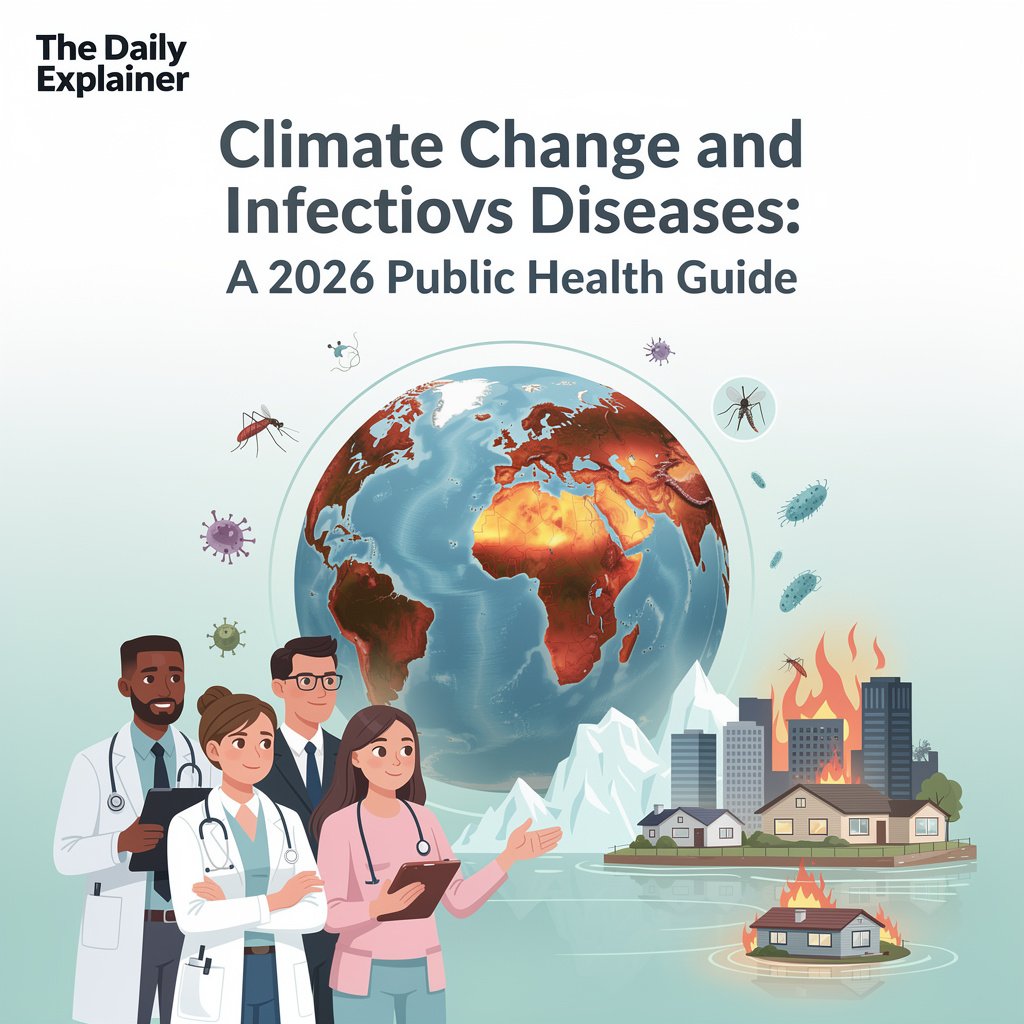
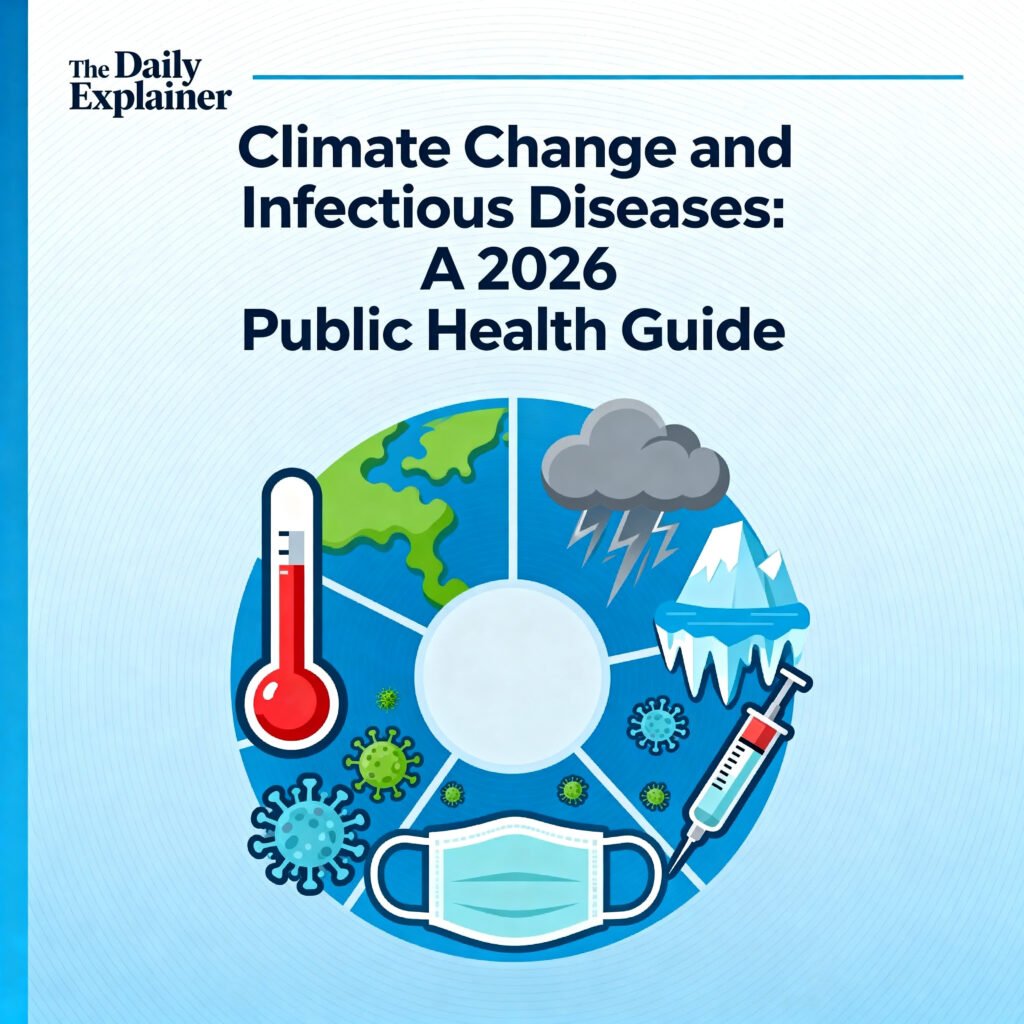
As temperatures rise, the Aedes mosquito's habitat expands, bringing Dengue into previously temperate zones.
Introduction – Why This Matters
In my experience working with public health data, few trends are as consistently alarming as the northward creep of tropical diseases. What I’ve found is that most people still view climate change as a problem for polar bears and future generations. But the data tells a different, more immediate story. The mosquito that carries Dengue fever—once confined to the tropics—is now establishing populations in parts of Southern Europe and the southern United States year-round.
Changing patterns of temperature and precipitation, along with sea level rise and more extreme weather events, are impacting the ecology, evolution, distribution, and prevalence of infectious disease reservoirs, hosts, vectors, and pathogens. As a result, new diseases are emerging, and others are reappearing in regions where they were once uncommon.
This isn’t a distant prediction. This is a 2026 reality. The World Health Organization (WHO) recently warned that global health gains face a threat of reversal, with malaria incidence increasing by 8.5% since 2015, moving the world further away from global elimination targets.
This guide serves two audiences: curious beginners who want to understand the mechanics of this crisis, and busy professionals who need a rapid yet comprehensive refresher on the state of climate-health security.
Key Takeaway: Climate change is not just an environmental issue; it is the single greatest public health challenge of the 21st century, actively reshaping where and when people get sick.
Background / Context
To understand the crisis, we must first look at a success story that turned into a warning. For decades, public health officials celebrated the retreat of infectious diseases. Better sanitation, vaccines, and pesticides (like DDT, despite its ecological cost) pushed many illnesses to the margins of wealthy nations. Malaria was eliminated in the U.S. in 1951. Cholera became a rarity in Europe.
However, that stable environment assumed a stable climate. The WHO estimates that 25 years of the 30-year increase in life expectancy during the 20th century were attributable to public health gains. We are now at risk of giving those years back.
The COVID-19 pandemic exposed the fragility of global health systems, but it also taught us a hard lesson about zoonotic spillover (diseases jumping from animals to humans). Climate change acts as a threat multiplier. It degrades natural habitats, forcing wildlife into closer contact with humans, while simultaneously creating the perfect breeding grounds for vectors. The 2026 WHO World Health Statistics report emphasizes that while HIV infections dropped 40% (2010–2024) and neglected tropical disease interventions fell by 36%, progress on malaria and environmental risks has stalled or reversed.
Key Concepts Defined
Before we dive deeper, let’s establish a clear vocabulary. Public health has numerous definitions, but at its core, it is the science of protecting and improving the health of people and their communities. Here is how that applies to climate change:
- Vector-Borne Diseases (VBDs): Illnesses caused by pathogens and parasites in human populations. WHO defines vectors as living organisms that can transmit infectious diseases between humans or from animals to humans. Mosquitoes, ticks, flies, and fleas are the most common culprits. Examples include Malaria, Dengue, and Lyme disease.
- Zoonotic Diseases (Zoonoses): As defined by public health agencies, these are diseases and infections that are naturally transmitted between vertebrate animals and humans. Climate change alters animal migration patterns, leading to novel human exposures. Think Ebola, Nipah, and Avian Flu.
- The ‘One Health’ Approach: This is a collaborative, multisectoral, and transdisciplinary framework. It works at the local, regional, national, and global levels with the goal of achieving optimal health outcomes by recognizing the interconnection between people, animals, plants, and their shared environment. You cannot fix human health without looking at animal health and environmental health.
- Vulnerability vs. Exposure: Exposure means you are in a place where a disease exists (e.g., living near a swamp with mosquitoes). Vulnerability is your ability to cope (e.g., do you have a bed net? An air-conditioned house? Access to a clinic?). Climate change increases exposure for millions while increasing vulnerability by destroying infrastructure.
How It Works (Step-by-step breakdown)
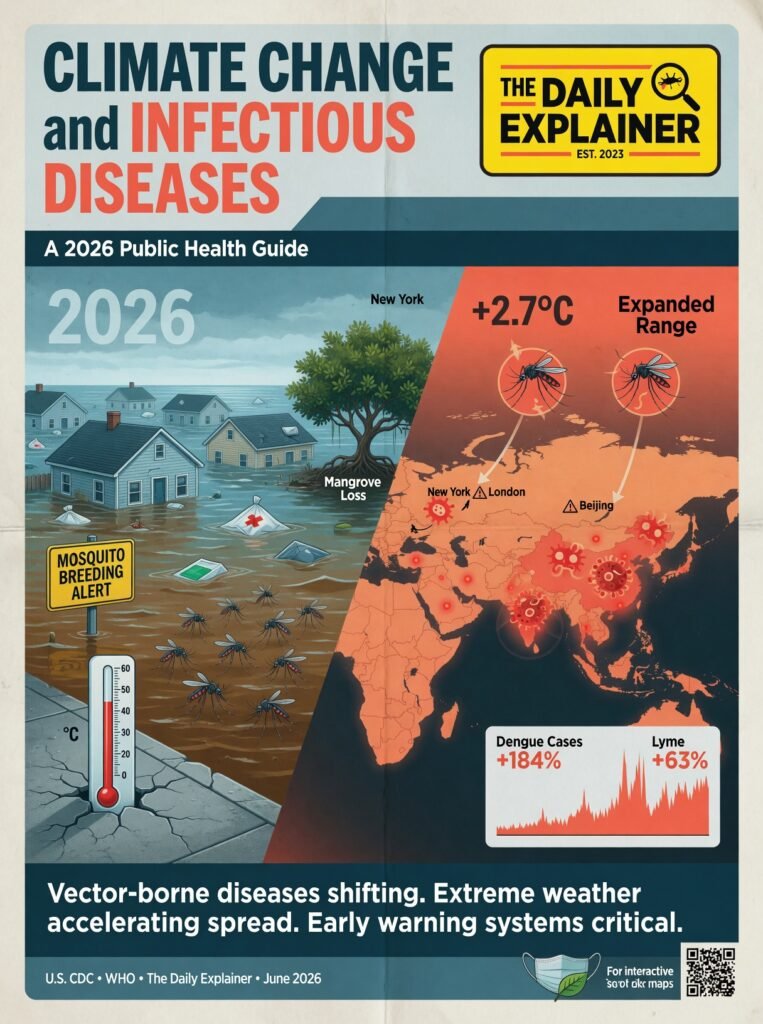
How does a warmer planet actually make you sicker? Here is the mechanism broken down into four distinct pathways.
Step 1: The Temperature Sweet Spot
Many pathogens and vectors are ectothermic (cold-blooded). Their metabolism, reproduction, and biting rates are dictated by the outside temperature.
- Before: Cold winters killed off mosquito larvae and tick populations in temperate zones.
- Now: Milder winters mean larvae survive. Mosquitoes breed faster, and the pathogens inside them (like the Dengue or Zika virus) replicate quicker. At 25°C (77°F), a mosquito might live 30 days. At 30°C (86°F), it might live 20 days, but it bites more aggressively, and the virus matures in half the time.
Step 2: The “Vector Vacuum”
As the equator becomes too hot for human comfort (and even for some mosquitos), human populations migrate. Simultaneously, the species Aedes aegypti (the primary Dengue vector) and Ixodes scapularis (the deer tick) are expanding their ranges poleward by roughly 10-20 miles per year. This creates a collision zone where naive populations (people with no immunity) meet aggressive vectors.
Step 3: Extreme Weather as a Catalyst
It isn’t just gradual warming. Extreme weather events are the accelerators.
- Floods: Heavy rains leave behind stagnant pools of water—perfect breeding sites for mosquitos. Floods also displace sewage systems, leading to outbreaks of Cholera and Typhoid.
- Droughts: In times of drought, humans store water in open containers (barrels, buckets) around their homes. These containers become the #1 breeding ground for the Aedes aegypti mosquito.
- Cyclones/Hurricanes: These destroy health infrastructure. A hospital without power or flooded cannot treat malaria or provide vaccines.
Step 4: Behavioral Adaptation (Human & Animal)
When crops fail due to heat, people move. Deforestation for agriculture pushes bats and rodents into human dwellings. Seeking cooler climates, animals migrate, bringing their viruses with them. The 2026 WHO advocacy plan emphasizes breaking this cycle through surveillance.
| Pathway | Mechanism | Example |
|---|---|---|
| Thermal Biology | Warmer temps accelerate vector breeding & viral replication. | Dengue virus matures 2x faster at 30°C vs 20°C. |
| Geographic Shift | Vectors migrate to previously inhospitable latitudes. | Lyme disease ticks moving into Canada; Malaria in Ethiopian highlands. |
| Extreme Weather | Stagnant water after floods/sewage overflow breeds pathogens. | Cholera spikes in Yemen and East Africa post-flooding. |
| Infrastructure Collapse | Storms destroy clinics and cold chains for vaccines. | Hurricane Maria (2017) led to leptospirosis spikes in Puerto Rico. |
Why It’s Important
The Statistics Don’t Lie
According to the 2026 World Health Statistics released by WHO, the situation is critical. While the world has made strides in HIV and tuberculosis reduction—particularly the WHO African Region showing a 70% drop in HIV—the environmental front is failing.
- Malaria is back: Since 2015, malaria incidence has increased by 8.5%. We are moving away from the global goal.
- The Air is Poison: In 2021 alone, approximately 6.6 million people died from air pollution-related illnesses. This overlaps with infectious diseases, as pollution damages the lungs, making viral infections like Influenza and COVID-19 far more lethal.
- Water is Life (and Death): In 2019, 1.4 million people died due to inadequate water, sanitation, and hygiene (WASH). As droughts deepen and floods contaminate wells, these numbers are projected to rise.
The Economic Burden
Beyond human suffering, there is a massive economic toll. A single Dengue outbreak in a non-endemic country (like France or the USA) costs millions in mosquito control, hospitalizations, and lost productivity. Public health systems are spending “reactive money” (fighting outbreaks) rather than “proactive money” (prevention).
As one expert noted regarding the gap between science and perception, we face a crisis of trust. A 2023 study found that while 98% of people recognized a decline in child mortality (a good thing), 82% believed life expectancy had declined (a perception of doom not yet supported by global data, though threatened). This disconnect—where reality is actually better than people think in some areas, but trending worse in others—makes public health communication incredibly difficult.
Call to Action: Public health professionals must stop treating climate change as a political issue and start treating it as a clinical variable. Every doctor’s visit should include a “climate risk assessment.”
Sustainability in the Future
How do we build a system that lasts? It requires moving from crisis response to anticipatory action.
The WHO 2025-2028 Plan
In May 2025, member states adopted the Global Action Plan (GAP) on Climate Change and Health. The new advocacy plan operationalizes this mandate, ensuring political commitments are matched by practical strategies to build momentum and deliver lasting health benefits.
Key pillars include:
- Resilient Health Systems: Hospitals running on solar power, so they function when the grid fails during a hurricane.
- Green Supply Chains: Reducing the carbon footprint of vaccine production and delivery (the healthcare sector itself is a major polluter).
- Surveillance: The American Society for Microbiology (ASM) and American Geophysical Union (AGU) have identified priority research areas to strengthen infectious disease attribution science. We need to move beyond correlation to causation.
Innovation in Screening
Looking to the 2026 Public Health Summit discussions, AI is playing a role. While AI is being used for cancer screening, similar models are being applied to satellite imagery to predict malaria hotspots by analyzing water bodies and deforestation rates.
Common Misconceptions
Let’s bust some myths that I frequently see in my consulting work.
Misconception 1: “It’s just mosquitoes. Buy some bug spray.”
- Reality: Bug spray treats the symptom, not the cause. The cause is the ecological niche. Warmer winters mean the mosquitoes never die. You cannot spray your way out of a climate crisis. We need landscape-level water management.
Misconception 2: “New diseases are always worse.”
- Reality: Often, the “new” diseases in your area are old diseases moving. For example, Coccidioidomycosis (Valley fever) is a fungus historically confined to the Southwest US desert. As temperatures rise, the desert expands northward into Oregon and Washington. It’s not a new mutant; it’s a transplant.
Misconception 3: “Vaccines will save us from everything.”
- Reality: We don’t have vaccines for most tropical diseases (e.g., Dengue vaccines exist but have limitations and can cause severe reactions in seronegative individuals). Even if we did, we lack the cold chain infrastructure (reliable power for refrigeration) in the regions being hit hardest by climate disasters. As seen in Nigeria regarding HPV vaccine hesitancy, even when vaccines exist, misconceptions about infertility or “Western conspiracies” can cripple uptake.
Recent Developments (2025-2026)
Science is moving fast. Here is what has changed just in the last year:
- Attribution Science Matures: A new report from ASM and AGU (May 2026) calls for expanded detection and attribution studies. “Better detection and attribution science will give us the tools to anticipate where risks are heading and how public health systems should prepare,” said Jay Lennon, Ph.D.
- AI for Public Health: At the 2026 Public Health Summit, experts presented data showing that AI applied to mammography screening is being adapted for epidemiological modeling. The lesson: AI models trained on European data fail in Asia unless retrained on local data—the same applies to disease spread models.
- Air Quality Linkages: Research presented in 2026 shows that long-term exposure to NO2 (nitrogen dioxide, from car exhaust) increases the risk of dementia by about 40%. This changes how we view “lung health” vs. “brain health.”
- Energy Poverty: The WHO is now explicitly linking energy poverty (lack of clean cooking fuel) to health. Indoor air pollution from burning wood or coal is a massive driver of childhood pneumonia.
Success Stories (If applicable)
It’s not all doom and gloom. We are learning what works.
London’s Air Quality Turnaround
After the 1952 Great Smog, London introduced the Clean Air Act. They moved coal plants out of the city. Today, despite having millions of cars, they have drastically reduced black smoke and sulfur dioxide pollution. More recently, the Ultra Low Emission Zone (ULEZ) has reduced hospital admissions for asthma in children by nearly a third. This proves that strong regulation works.
One Health in Action in Asia
In response to Avian Influenza (Bird Flu), several Southeast Asian nations implemented “One Health” surveillance. They now pay farmers to report sick poultry, and rapid response teams test both the birds and the farmers simultaneously. This has prevented several potential pandemic strains from gaining a foothold.
Real-Life Examples
Example 1: The Dengue Surge in Southern Europe
In 2024 and 2025, France and Italy reported locally acquired Dengue cases (meaning the patient did not travel to Africa or Asia). The Aedes albopictus (Tiger mosquito) has established itself as far north as Paris. Public health officials had to scramble to set up mass mosquito trapping and public awareness campaigns about standing water on balconies.
Example 2: The 2026 Floods and Cholera in East Africa
Following unprecedented rains in early 2026, water sources were contaminated. Despite a global stockpile of Oral Cholera Vaccine (OCV), logistics failed. The vaccine requires a cold chain. The roads were washed away. This highlights the fragility of supply chains mentioned in the WHO 2026 report.
Conclusion and Key Takeaways
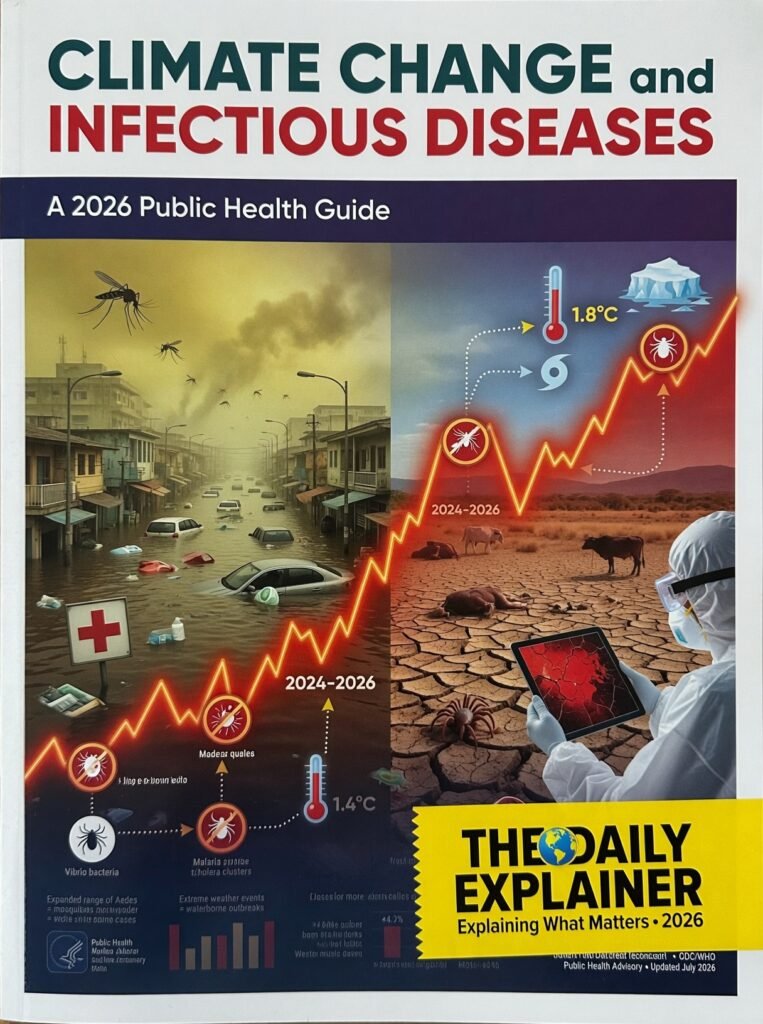
Climate change is rewriting the rules of public health. The old maps of disease distribution are obsolete. The “tropics” are expanding. The “temperate zones” are losing their immunity.
We stand at a crossroads. One path leads to reactive, expensive, and deadly cycles of outbreak and response. The other path, paved by the WHO Global Action Plan and the One Health framework, leads to proactive, resilient, and equitable health security.
The core tasks for 2026 are:
- Surveillance: We cannot fight what we do not measure. We need granular data.
- Decarbonization: The healthcare industry must stop harming the planet to heal the patient.
- Education: We must bridge the gap between climate science and clinical practice.
Your local environment is your first line of defense. Whether you are a policymaker or a parent, understanding the link between the weather outside and the germs nearby is the first step to staying safe.
FAQs (Frequently Asked Questions)
- Q: What is the single disease most affected by climate change?
- A: While Dengue is the fastest expanding, Malaria remains the biggest killer. Its transmission window is widening in the highland regions of Africa and South America.
- Q: Can cold weather kill these new viruses?
- A: Historically, yes. But “cold” winters are becoming rarer. A single week of freezing might not be enough to kill larvae buried in soil or tires.
- Q: Is it safe to travel to Europe now regarding Dengue?
- A: Yes, the risk is still low compared to Asia or the Americas. However, travelers should use mosquito repellent in Southern Europe during summer evenings.
- Q: Does climate change create new viruses?
- A: Generally, no. It usually moves or increases the prevalence of existing viruses. However, by bringing different animal species together (e.g., due to habitat loss), it can create opportunities for viruses to swap genes (reassortment), potentially creating new hybrids.
- Q: What is “Attribution Science”?
- Q: Are allergies considered infectious diseases?
- A: No, they are immune responses. But climate change is extending pollen seasons, making “Allergy Season” a major public health concern for respiratory health.
- Q: How does deforestation play a role?
- A: Deforestation forces bats and rodents (which carry viruses) to move closer to human homes to find food, increasing the risk of zoonotic spillover (Ebola, Nipah, Covid-like events).
- Q: Why is the WHO concerned about “Energy Poverty”?
- Q: Is there a vaccine for Lyme disease?
- A: There was one in the 1990s, but it was pulled due to low demand and side effect concerns. A new mRNA Lyme vaccine is currently in clinical trials as of 2026.
- Q: What is “Genomic surveillance”?
- A: Sequencing the DNA/RNA of viruses found in sewage or blood samples to track mutations and spread in real-time. This became standard during COVID and is now being deployed for Flu and RSV.
- Q: Do richer countries have immunity to this problem?
- A: No. Richer countries have better infrastructure, but they also have aging populations vulnerable to heat stress and vector-borne diseases (e.g., West Nile in the US).
- Q: How does humidity affect disease spread?
- A: High humidity helps respiratory droplets (Covid, Flu) hang in the air longer. Low humidity dries out our nasal passages, making us more susceptible to infection.
- Q: What is “Planetary Health”?
- A: A field focused on the health of human civilization and the state of the natural systems on which it depends. It is broader than public health.
- Q: What should I put in a “Climate Health” emergency kit?
- A: N95 masks (for smoke/fire), insect repellent (for floods), water purification tablets (for floods/hurricanes), and a portable fan/battery pack (for heatwaves).
- Q: How does climate change affect mental health?
- A: Directly (trauma from wildfires/floods) and indirectly (eco-anxiety about the future). This is called “climate grief.”
- Q: Are we going to see “Disease seasons” change?
- A: Yes. Flu season may extend later into spring. “Mosquito season” is now starting earlier (February/March in some US states vs. May historically).
- Q: What does “Environmental Justice” have to do with this?
- A: Low-income communities often live in “heat islands” (less trees, more concrete) and flood zones. They get sicker first and have less access to AC or healthcare.
- Q: How do microplastics factor into infectious disease?
- A: Emerging research suggests microplastics in water can harbor biofilms of bacteria, potentially protecting them from chlorine treatment and increasing Cholera risk.
- Q: What is the “Cold Chain”?
- A: The temperature-controlled supply chain (refrigerators, trucks) that keeps vaccines viable. Power outages during storms break the cold chain, wasting millions of doses.
- Q: Where can I find real-time data on outbreaks?
- A: The WHO Disease Outbreak News (DON) page, HealthMap.org, or your local CDC equivalent (e.g., CDC in the US, ECDC in Europe).
- Q: Can AI predict the next pandemic?
- Q: What is the single best investment for a community?
- A: Sewage and water treatment. Keeping drinking water separate from waste water prevents Cholera, Typhoid, and Hepatitis A, which will worsen with flooding.
- Q: How can I, as an individual, make a difference?
- A: Reduce your carbon footprint (less flying, less meat), support climate-health research charities, and advocate for green spaces/trees in your local city planning.
About the Author
David Chen, MPH
David is a public health analyst with 12 years of experience in environmental epidemiology. He has previously consulted for the WHO on vector surveillance programs in Southeast Asia and currently writes for The Daily Explainer to bridge the gap between complex scientific reports (like the ASM/AGU 2026 report) and the general public.
Free Resources
- WHO Climate and Health Landing Page: https://www.who.int/teams/environment-climate-change-and-health
- CDC Climate and Health Program: https://www.cdc.gov/climate-health/
- One Health Commission: https://www.onehealthcommission.org/
- The Lancet Countdown on Health and Climate Change: (Tracking progress)
Discussion
What are your observations?
Have you noticed ticks in areas where there were none ten years ago? Are your local mosquitos getting worse? Share your “citizen science” observations in the comments below. Public health is a community effort—your local data point could help researchers track the spread.
About The Author


4 thoughts on “Climate Change and Infectious Diseases: A 2026 Public Health Guide”