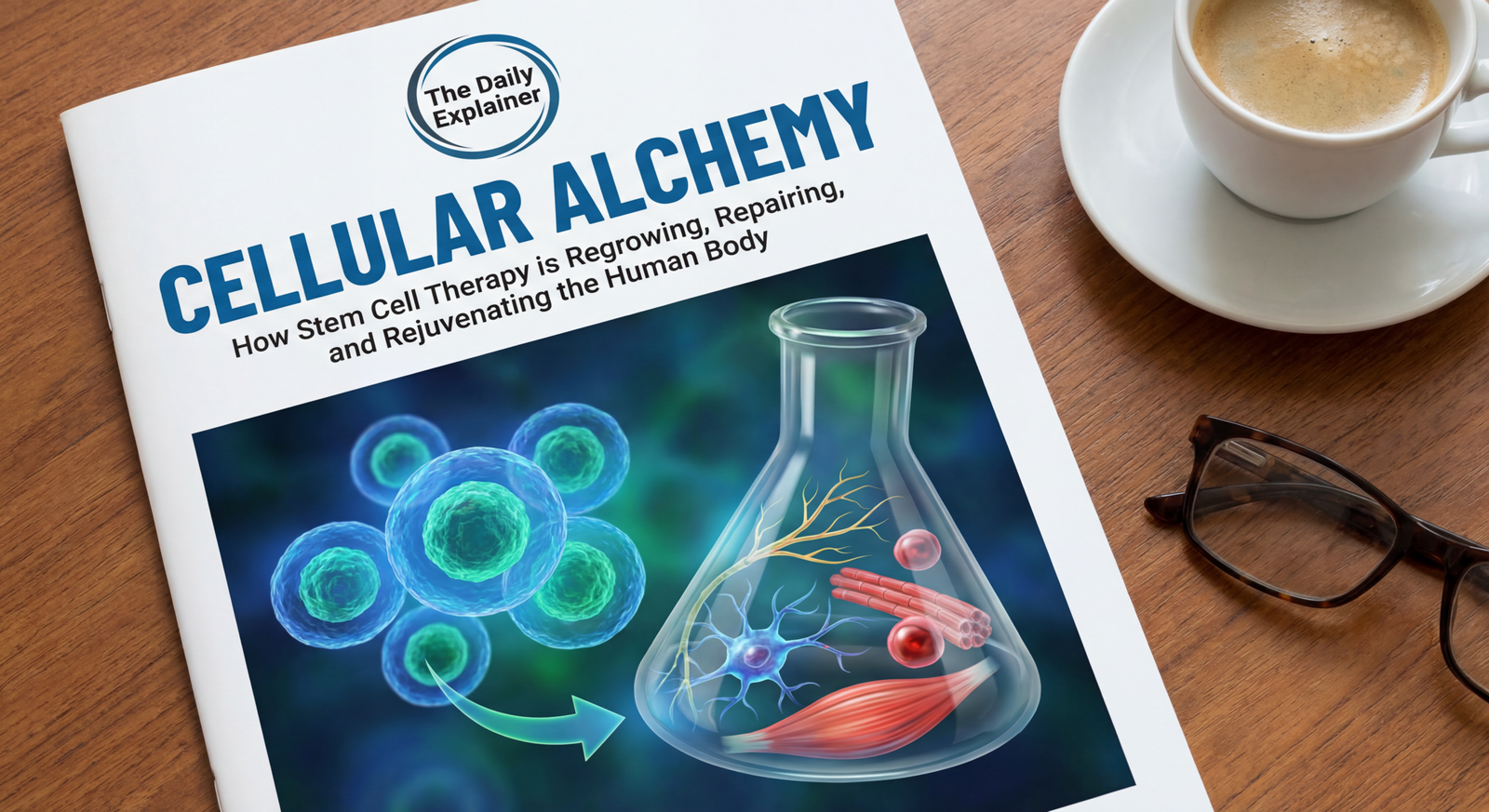
Understanding the different potencies and sources of stem cells is key to grasping their therapeutic applications.
Introduction – Why This Matters
In a hospital room in 2025, a patient who lost vision from chemical burns doesn’t receive a donor cornea transplant. Instead, doctors take a tiny biopsy from his healthy eye, isolate its stem cells, grow a new, perfectly matched corneal layer in the lab, and transplant it, restoring his sight. In a separate clinic, a clinical trial participant with Parkinson’s disease has neural progenitor cells, derived from her own skin cells, precisely injected into her brain, where they begin to integrate and produce the dopamine her brain is missing. These are not speculative future scenarios; they are active clinical realities today, representing the transformative power of stem cell therapy. This field, once confined to the controversy of embryonic research, has matured into a broad and revolutionary pillar of regenerative medicine, promising not just to treat disease symptoms but to actually repair, replace, and regenerate damaged tissues and organs.
The momentum is quantifiable. The global stem cell therapy market, valued at approximately $12.5 billion in 2025, is projected to grow to over $25 billion by 2030, fueled by an aging population, rising chronic disease burdens, and a stream of late-stage clinical trial readouts. Over 8,000 active clinical trials worldwide are testing stem cells for conditions ranging from heart failure and spinal cord injury to autoimmune diseases like lupus and type 1 diabetes. This represents a fundamental shift from managing decline to enabling biological restoration.
In my experience, the most profound shift is in patient hope. I’ve advised families navigating devastating neurological diagnoses where traditional medicine offered only palliative care. The emergence of credible stem cell trials changes the emotional calculus entirely. It introduces the possibility of improvement, not just slowdown. This hope, when grounded in rigorous science, is a powerful therapeutic force in itself.
This guide will serve as your comprehensive roadmap to stem cell therapy. We’ll trace its evolution from biological curiosity to clinical tool, demystify the different types of stem cells and how they are harnessed, and critically examine the exciting yet complex landscape of current applications—separating the evidence-based medicine from the hype. Whether you’re new to the concept of cells as medicine or a healthcare professional tracking this fast-moving field, this article will provide the depth and clarity you need.
Background / Context: From Controversy to Clinic
The story of stem cells is one of simultaneous scientific wonder and ethical debate. The foundational concept was established in the early 1960s with the discovery of hematopoietic stem cells (HSCs) in bone marrow—the cells that give rise to all blood and immune cells. This led directly to the first successful bone marrow transplant in 1968, a life-saving procedure for leukemia that remains the most common and proven form of stem cell therapy today.
The field’s potential expanded exponentially in 1998 when Dr. James Thomson at the University of Wisconsin isolated and cultured the first human embryonic stem cells (hESCs). These cells, derived from early-stage embryos, are pluripotent—they can become any cell type in the human body. This breakthrough promised unlimited cells for repair but ignited a lasting ethical firestorm over the source of the embryos.
The need for this ethical dilemma catalyzed the next revolution. In 2006, Dr. Shinya Yamanaka discovered that by introducing just four genes, he could reprogram adult skin cells back into an embryonic-like state, creating induced pluripotent stem cells (iPSCs). This Nobel Prize-winning work provided a source of pluripotent cells without embryos, opening a path to personalized, patient-matched therapies and new disease-in-a-dish models for drug screening.
Since then, the field has bifurcated. The research pathway has exploded, using hESCs and iPSCs to model diseases, screen drugs, and understand development. The clinical pathway has progressed more cautiously but steadily, with adult stem cells (like mesenchymal stem cells from fat or bone marrow) leading the charge in hundreds of trials for their anti-inflammatory and regenerative effects. For more deep dives into complex scientific and political topics, you can always visit our main Explained section.
Today, we stand at an inflection point. The first iPSC-derived therapies are in human trials. Advanced engineered tissues are being implanted. The initial promise of regenerative medicine is beginning to materialize in clinics, moving beyond the controversial beginnings into an era of tangible clinical impact.
Key Concepts Defined
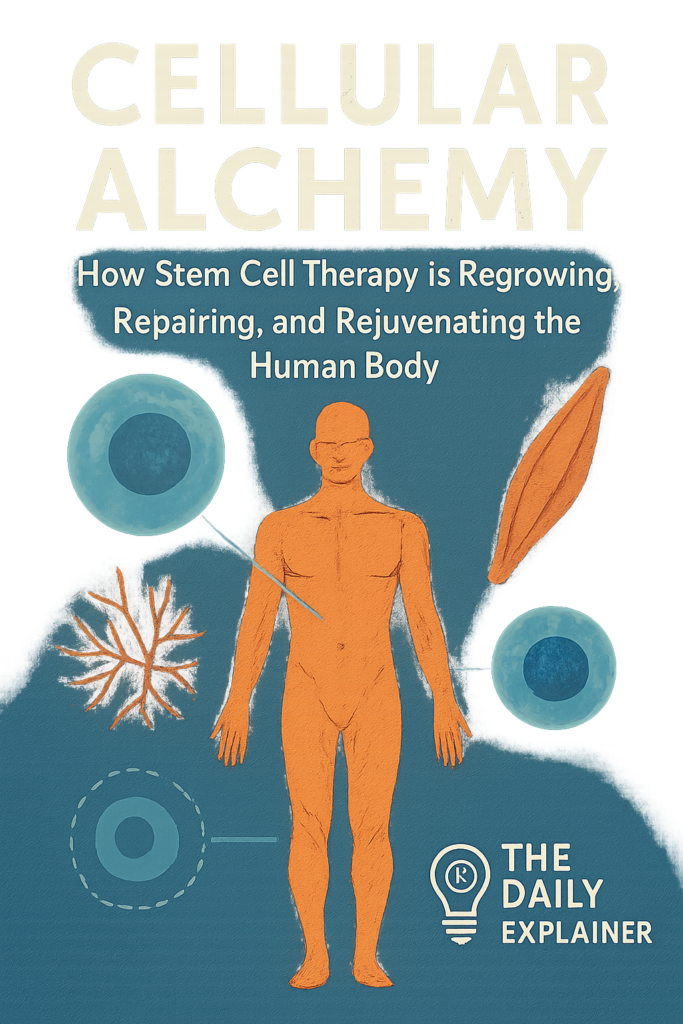
- Stem Cell: An unspecialized cell with two defining properties: 1) Self-renewal: The ability to divide and make copies of itself for long periods. 2) Potency: The capacity to differentiate into specialized cell types with specific functions (e.g., neuron, heart muscle cell, insulin-producing beta cell).
- Potency Levels:
- Totipotent: Can form a complete organism plus all extra-embryonic tissues (e.g., the zygote). The highest potency.
- Pluripotent: Can form all cell types of the body (over 200), but not extra-embryonic tissues. Embryonic Stem Cells (ESCs) and Induced Pluripotent Stem Cells (iPSCs) are pluripotent.
- Multipotent: Can differentiate into multiple, but limited, cell types within a specific lineage. Adult stem cells (like hematopoietic or mesenchymal stem cells) are multipotent.
- Hematopoietic Stem Cell (HSC): Multipotent stem cells found primarily in bone marrow and blood that give rise to all blood cell types: red blood cells, white blood cells, and platelets. The basis of bone marrow transplants.
- Mesenchymal Stem Cell (MSC): Multipotent stromal cells found in bone marrow, adipose (fat) tissue, umbilical cord, and other sites. They can differentiate into bone, cartilage, and fat cells, but their primary therapeutic mechanism is believed to be paracrine signaling—secreting bioactive molecules that reduce inflammation, modulate immunity, and support tissue repair.
- Induced Pluripotent Stem Cell (iPSC): An adult somatic cell (like a skin fibroblast) that has been genetically reprogrammed back to an embryonic-like pluripotent state. They bypass the ethical issues of ESCs and allow for creation of patient-specific cells.
- Differentiation: The process by which a less specialized stem cell becomes a more specialized cell type (e.g., a neural stem cell becoming a dopamine-producing neuron).
- Regenerative Medicine: A branch of medicine focused on developing methods to regrow, repair, or replace damaged or diseased cells, organs, and tissues. Stem cell therapy is a core strategy within regenerative medicine.
- Cell-Based Product/Therapy: A biological product that contains live cells for implantation, transplantation, or infusion into a patient with the aim of treating a disease.
- Allogeneic vs. Autologous:
- Allogeneic: Cells derived from a donor (different individual). They are “off-the-shelf” but risk immune rejection.
- Autologous: Cells derived from the patient’s own body. They are perfectly matched (no rejection) but are patient-specific, costly, and take time to manufacture.
How It Works: A Step-by-Step Breakdown of Cellular Therapeutics
The journey from a stem cell in a lab to a therapeutic effect in a patient is a complex, highly regulated process that varies by cell type and disease target.
Step 1: Sourcing and Isolation
The starting material depends on the therapy.
- For Autologous Adult Stem Cells (e.g., MSCs): A patient undergoes a minor procedure to harvest tissue, most commonly bone marrow aspiration (from the hip bone) or liposuction (for adipose tissue). The sample is processed to isolate the stem cell population, often using cell surface markers and fluorescence-activated cell sorting (FACS).
- For Allogeneic “Off-the-Shelf” Cells: Cells are sourced from a healthy, screened donor (e.g., donated umbilical cord tissue, placenta, or bone marrow). They are expanded into large master cell banks, providing a standardized, readily available product.
- For iPSC-Derived Therapies: A skin biopsy or blood sample is taken from the patient (autologous) or a donor (allogeneic). The somatic cells are reprogrammed into iPSCs, a process taking several weeks.
Step 2: Expansion and Manipulation
The isolated stem cells are almost always too few in number for a therapeutic dose.
- Expansion: Cells are placed in bioreactors or culture flasks with specific growth media containing nutrients, growth factors, and cytokines that encourage them to divide and multiply (proliferate) without differentiating.
- Differentiation (for Pluripotent Cells): For therapies using iPSCs or ESCs, the expanded pluripotent cells must be guided to become the desired terminal cell type. This involves a carefully timed sequence of chemical cues that mimic embryonic development. For example, to make dopamine neurons for Parkinson’s, scientists expose iPSCs to factors like Sonic hedgehog (SHH) and FGF8.
- Quality Control & Banking: Throughout the process, cells are rigorously tested for viability, identity, purity, and safety (ensuring no microbial contamination or genetic abnormalities). They are then frozen in aliquots as a cell bank.
Step 3: Formulation and Delivery
The final cell product is prepared for administration.
- Formulation: Cells are washed and suspended in a sterile, clinically appropriate solution, often with cryoprotectants if they are to be frozen and shipped.
- Delivery Method: This is critical and disease-specific.
- Systemic Infusion: Intravenous (IV) injection, commonly used for MSCs to treat systemic inflammation (e.g., Graft vs. Host Disease). Cells travel through the bloodstream, homing to sites of injury via inflammatory signals.
- Local Injection: Direct injection into the target tissue—into the heart muscle (intramyocardial) for heart failure, into a knee joint (intra-articular) for osteoarthritis, or into the spinal canal (intrathecal) for spinal cord injury.
- Surgical Implantation: For engineered tissues, like a sheet of corneal epithelial cells or a scaffold seeded with cartilage cells, the product is surgically grafted onto the damaged area.
Step 4: In Vivo Action and Mechanism
Once delivered, the cells exert their therapeutic effect, primarily through two distinct mechanisms:
- Differentiation and Integration (Direct Replacement): The ideal but more challenging mechanism. The transplanted cells engraft into the host tissue, mature, and functionally integrate, directly replacing lost cells. This is the goal for iPSC-derived retinal cells or dopamine neurons.
- Paracrine / Trophic Effect (Indirect Healing): The primary mechanism for most adult stem cell therapies, especially MSCs. The cells do not permanently engraft but act as temporary “biopharmacies.” They secrete a cocktail of growth factors, cytokines, and extracellular vesicles (exosomes) that:
- Modulate the immune system (reduce harmful inflammation).
- Protect existing cells from death (anti-apoptosis).
- Stimulate local tissue-resident stem cells to repair themselves.
- Promote new blood vessel formation (angiogenesis).
- Reduce scar tissue formation.
After several days to weeks, the administered cells are typically cleared by the immune system, but their healing signals persist.
Key Takeaway: Stem cell therapy is not a single procedure but a sophisticated biomanufacturing pipeline. It transforms a raw cellular material into a standardized, living drug, which is then delivered to a precise location where it either becomes new tissue or, more commonly, orchestrates a powerful healing response from within.
Why It’s Important: The Paradigm Shift from Management to Restoration
The significance of stem cell therapy lies in its potential to address the root cause of many degenerative and injury-based conditions for which current medicine offers only symptomatic relief or replacement with mechanical devices.
1. Addressing Unmet Needs in Chronic Degenerative Diseases
Conditions like Parkinson’s disease, Alzheimer’s, heart failure, osteoarthritis, and macular degeneration involve the progressive loss of specific, non-regenerating cell types. Pharmaceuticals can only slow decline or manage symptoms. Stem cell therapy aims to replace the lost cells (e.g., dopamine neurons, cardiomyocytes, chondrocytes, retinal pigment epithelial cells) or powerfully modify the disease environment to halt degeneration and enable endogenous repair.
2. Moving Beyond Transplantation’s Limitations
Organ and tissue transplantation saves lives but is hamstrung by a severe donor shortage, the risks of lifelong immunosuppression to prevent rejection, and complications from chronic immunosuppression. Autologous iPSC-derived therapies offer a vision of transplantation without rejection or donor waitlists. Lab-grown tissues from allogeneic stem cells could provide an unlimited, quality-controlled supply of grafts for burns, corneal damage, or cartilage repair.
3. Treating Autoimmunity and Modulating Inflammation
MSCs have shown remarkable potency as immunomodulators. Their ability to suppress overactive immune responses is being harnessed in clinical trials for Crohn’s disease, multiple sclerosis, rheumatoid arthritis, and type 1 diabetes. They don’t just blanket-suppress immunity like traditional drugs; they appear to help “reset” immune tolerance, offering a potentially curative strategy for some autoimmune conditions.
4. Accelerating Drug Discovery and Personalized Medicine
iPSC technology allows the creation of “disease-in-a-dish” models. Skin cells from a patient with ALS can be reprogrammed into iPSCs and then differentiated into the motor neurons that are dying in that patient. These neurons can be studied to understand the disease’s unique pathology and screened against thousands of drug candidates, paving the way for personalized treatment plans. For those interested in the business models emerging from such personalized science, the principles explored in our partner site’s guide on starting an online business can offer fascinating parallels in niche customization.
5. Healing Complex Injuries
For spinal cord injury, stroke, and severe burns, the body’s natural healing capacity is overwhelmed. Stem cell therapies, particularly MSCs, are being investigated to reduce the inhibitory glial scar after spinal injury, promote neural plasticity after stroke, and provide a living, pro-regenerative matrix for burn wounds, aiming to restore function where it was once thought permanently lost.
What I’ve found is that the field’s evolution has clarified that “regeneration” often means “orchestrated repair.” We’re learning that we may not always need to rebuild an entire organ from scratch. Sometimes, providing the right cellular conductors to direct the body’s own healing orchestra is enough to achieve remarkable functional recovery.
Sustainability in the Future: Scaling Biology with Responsibility
For stem cell therapy to become a mainstream pillar of medicine, it must overcome significant scientific, logistical, and ethical hurdles.
Manufacturing Scalability and Cost
Producing clinical-grade stem cells is astronomically expensive. A single dose of an approved stem cell therapy can cost hundreds of thousands of dollars. Sustainable scale-up requires:
- Automated, Closed Bioreactor Systems: Moving from labor-intensive manual flasks to large, automated bioreactors that can grow billions of cells consistently.
- Standardized Protocols: Developing universally accepted “recipes” for differentiation and quality control to ensure batch-to-batch consistency.
- Allogeneic “Off-the-Shelf” Models: While autologous iPSCs are ideal, their patient-specific nature makes them costly and slow. The future likely involves allogeneic iPSC banks from donors with common immune types (hypoimmunogenic iPSCs), engineered to evade immune detection, making one cell line treat millions.
Safety: The Non-Negotiable Priority
The unique risks of stem cells must be relentlessly managed:
- Tumorigenicity: Pluripotent cells (ESCs/iPSCs) can form teratomas (benign tumors) if any undifferentiated cells remain in the final product. Rigorous purification and differentiation protocols are critical.
- Immunogenicity: Even allogeneic cells can be rejected. Strategies include using immune-privileged sites (like the eye), engineering cells to lack immune flags (MHC molecules), or using short-term immunosuppression.
- Uncontrolled Differentiation/Growth: Ensuring cells become only the desired cell type and stop growing once integrated.
Regulatory Clarity and Combatting Clinics
The U.S. FDA and other global regulators classify most stem cell-based products as drugs, requiring rigorous Phase I-III trials. However, a dangerous “wild west” of unregulated direct-to-consumer stem cell clinics exploits regulatory loopholes, offering unproven, often adulterated injections for everything from arthritis to autism. These pose serious safety risks and undermine public trust. Sustainable growth requires robust regulatory enforcement and public education to distinguish proven therapies from predatory marketing. For more on policy and governance in complex areas, our category on global affairs and politics often covers these intersections.
Ethical Frameworks for Novel Applications
As capabilities advance, new ethical questions arise: Should we use stem cells to enhance cognitive or physical performance beyond normal? Who owns a patient’s cells after they are reprogrammed into a valuable iPSC line? Ongoing, inclusive dialogue between scientists, ethicists, and the public is essential to guide the field responsibly.
Common Misconceptions
Misconception 1: “All stem cells come from embryos.”
- Reality: This is the most persistent myth. While embryonic stem cells were crucial for research, the vast majority of therapies in clinical trials use adult stem cells (from bone marrow, fat) or induced pluripotent stem cells (made from skin or blood). The clinical field has largely moved beyond embryonic sources.
Misconception 2: “Stem cells can cure anything right now.”
- Reality: The field is promising but still maturing. Outside of hematopoietic (blood) stem cells for cancers/immune disorders and a few other approved therapies (e.g., corneal burns, graft vs. host disease), most applications are still experimental. Bold claims of cures for ALS, Alzheimer’s, or spinal cord injury are, as of 2025, not yet supported by large-scale Phase III trial data.
Misconception 3: “More cells injected is always better.”
- Reality: There is a therapeutic window. Too few cells may have no effect. Too many cells can cause complications like vascular occlusion (cells clumping and blocking blood flow) or excessive inflammation. Dosing is carefully determined in early-phase trials.
Misconception 4: “Stem cell therapy is a simple ‘one-shot’ fix.”
- Reality: It is a complex medical intervention. It often requires specialized harvesting, processing, and delivery. The effects may not be permanent, especially for paracrine-mediated therapies, potentially requiring repeat administrations. It is also frequently used in combination with rehabilitation, physical therapy, or other drugs.
Misconception 5: “If it’s my own cells, it’s completely safe.”
- Reality: Autologous cells are not risk-free. The harvesting procedure has risks (infection, pain). The processing in a lab (if done improperly) can introduce contaminants. The delivery method (e.g., injection into the spine or brain) carries inherent procedural risks. “Natural” does not mean “safe without oversight.”
Recent Developments (2024-2025): The Clinical Pipeline Matures
The field is moving from early safety trials to pivotal studies that could lead to widespread approvals.
- Parkinson’s Disease: A Landmark in Motion: In late 2024, the company BlueRock Therapeutics (a Bayer subsidiary) released 3-year data from its Phase I trial of dopamine neuron precursors derived from embryonic stem cells, transplanted into patients with advanced Parkinson’s. The data showed durable engraftment, increased dopamine production on PET scans, and meaningful clinical improvements in motor function without major safety issues. This is one of the strongest signals yet for cell replacement in neurodegenerative disease.
- Type 1 Diabetes: The Quest for an Insulin-Independent Future: Companies like Vertex Pharmaceuticals and Sernova are advancing trials where pancreatic islet cells, derived from ESCs, are encapsulated in a protective device and implanted. Early patients have achieved insulin independence for over a year, a monumental goal in diabetes care. The focus now is on perfecting the encapsulation to protect cells from immune attack without immunosuppression.
- Age-Related Macular Degeneration (AMD): Restoring Sight: Lineage Cell Therapeutics reported positive 2-year data from its Phase I/IIa trial of retinal pigment epithelium (RPE) cells derived from a human embryonic stem cell line, implanted in patients with geographic atrophy (dry AMD). The data suggested a reduction in the rate of disease progression, a first for this untreatable form of blindness.
- “Off-the-Shelf” Allogeneic iPSCs Enter the Arena: Companies like Fate Therapeutics and Cynata Therapeutics are pioneering allogeneic iPSC-derived cell therapies (natural killer cells for cancer, MSCs for critical limb ischemia) that are manufactured in large batches from a single donor master cell bank, aiming for cost-effective, scalable treatments.
- Exosome Therapeutics: The Next Wave: Recognizing that MSCs often work through secreted vesicles, dozens of companies are now developing purified exosome products. These “cell-free” therapies aim to capture the regenerative signaling of stem cells in a stable, off-the-shelf injectable, bypassing the complexities of living cell logistics and safety concerns.
Success Stories and Real-Life Examples
Case Study 1: A Second Cornea – The Tokyo Procedure
- Challenge: A woman in her 60s in Japan suffers from limbal stem cell deficiency, a painful condition causing corneal opacity and blindness, often from chemical burns. Donor cornea transplants fail because they lack the necessary limbal stem cells to maintain the corneal surface.
- Solution: Doctors at a specialized center perform an autologous cultivated limbal epithelial transplantation. A 1-2mm biopsy is taken from her healthy eye. The limbal stem cells are isolated, expanded on a temperature-sensitive culture sheet for two weeks, and grown into a transparent, multilayered corneal epithelium.
- Outcome: The lab-grown sheet is transplanted onto her damaged eye. The autologous cells engraft and continuously renew her corneal surface. Within months, her vision is restored, and the transplant remains stable years later. This is an approved, routine therapy in Japan and parts of Europe, a true regenerative medicine success.
Case Study 2: Beating Heart Failure with “Cardiac Patches”
- Challenge: A patient with severe heart failure post-heart attack has a large scar on his left ventricle, reducing the heart’s pumping capacity. Medications and devices help but are not curative.
- Solution: As part of a clinical trial, he receives an engineered “cardiac patch.” Researchers take his own skin cells, create iPSCs, and differentiate them into cardiomyocytes (heart muscle cells). These are seeded onto a biodegradable scaffold to form a living, beating patch.
- Outcome: Surgeons suture the patch directly onto the scarred area of his heart. Over time, the patch’s cells integrate with the host heart, the scaffold dissolves, and the new muscle cells both contribute to contraction and secrete factors that reverse scarring in the surrounding tissue. Trial data shows improvements in ejection fraction and functional capacity—a move towards truly healing a damaged heart.
Case Study 3: MSCs for COVID-19 ARDS – A Life-Saving Immunomodulator
- Challenge: During the pandemic, a patient with no underlying conditions develops severe COVID-19, progressing to Acute Respiratory Distress Syndrome (ARDS). His lungs are failing due to a “cytokine storm”—a hyperactive, destructive immune response.
- Solution: As part of a compassionate-use protocol, he is infused with allogeneic bone marrow-derived MSCs from a healthy donor.
- Outcome: The MSCs, acting as intelligent anti-inflammatory agents, home to his inflamed lungs. They secrete molecules that dampen the cytokine storm, reduce lung tissue damage, and promote alveolar repair. Within days, his oxygen requirements drop dramatically, and he avoids being placed on an ECMO machine. This application, studied in multiple global trials, highlights the power of stem cells as emergency immunomodulators.
Conclusion and Key Takeaways
Stem cell therapy is transitioning from a field of extraordinary promise to one of tangible, if still emerging, clinical reality. It represents a fundamental reimagining of medicine’s goal: from lifelong disease management to biological restoration.
The road ahead is illuminated by clear principles:
- Not One Therapy, But a Toolkit: “Stem cell therapy” encompasses everything from blood-forming transplants to neuronal replacement to anti-inflammatory signaling. The mechanism must match the disease.
- The Pathway is Pivotal: Success depends on the entire chain—from ethical sourcing and rigorous manufacturing to precise delivery and appropriate patient selection. Breaking any link leads to failure or harm.
- Evidence is Paramount: In an arena rife with hype, rigorous, peer-reviewed clinical trial data is the only currency of truth. Patients and professionals must demand this evidence.
- Combination is Key: The future lies in combination therapies: stem cells plus biomaterial scaffolds, plus targeted drugs, plus rehabilitation. Cells are often the catalyst, not the sole actor.
- Patience is Required: Biological repair operates on a human timescale—months to years. Dramatic overnight “cures” are a fantasy. Realistic expectations are crucial for the field’s credibility.
The dream of healing the body with its own fundamental building blocks is becoming a disciplined science. As manufacturing scales, safety refines, and late-stage trials read out, stem cell therapy is poised to move from the frontier of medicine into its standard arsenal, offering hope for regeneration in a world of chronic degeneration.
Frequently Asked Questions (FAQs)
1. What is the success rate of stem cell therapy?
This is an impossible question to answer broadly—it is entirely dependent on the specific condition, cell type, and protocol. Success for an allogeneic hematopoietic stem cell transplant for leukemia is well-defined and can be high in suitable patients. Success for an experimental MSC injection for knee osteoarthritis in a clinic is variable and not yet definitively proven in large trials. Always ask for the clinical trial data for your specific condition.
2. How much does stem cell therapy cost?
Costs vary wildly. An unproven, direct-to-consumer injection might cost $5,000-$20,000 out-of-pocket. An FDA-approved therapy like Prochymal (for pediatric GvHD) can cost over $200,000 per course. As therapies become standardized and manufactured at scale, costs are expected to decrease but will likely remain significant for complex autologous products.
3. Are stem cell treatments covered by insurance?
In the United States, insurance rarely covers experimental stem cell therapies outside of an approved clinical trial. FDA-approved stem cell therapies (like certain bone marrow transplants, cord blood transplants, and a few others) are typically covered. For anything else, coverage is exceptional and requires extensive pre-authorization. Always verify with your insurer.
4. What’s the difference between stem cell therapy and PRP (Platelet-Rich Plasma)?
PRP involves concentrating a patient’s own platelets from blood, which release growth factors when injected. It contains no stem cells. It is a simpler, older technique for soft tissue healing. Stem cell therapy uses actual multipotent or pluripotent cells with greater regenerative potential. The two are often confused or unlawfully marketed together.
5. How do I find a legitimate clinical trial?
Use the U.S. government’s clinicaltrials.gov database or your country’s equivalent. Search for your condition and “stem cells.” Discuss the options with your specialist physician. Legitimate trials will not charge you to participate and will have a clear protocol reviewed by an Institutional Review Board (IRB).
6. What are the red flags for a predatory stem cell clinic?
- Claims they can treat a wide range of unrelated diseases with the same cells.
- Heavy marketing directly to consumers, using patient testimonials instead of data.
- Charging large sums of money for “experimental” treatments.
- Minimizing risks and using terms like “miracle cure.”
- Performing procedures in non-medical settings (e.g., hotel rooms).
- Lack of oversight by a recognized institutional review board or ethics committee.
7. Can stem cells reverse aging?
This is a topic of intense research but is currently in the realm of speculation and science fiction. While stem cell exhaustion is a hallmark of aging, and systemic factors from young blood or young stem cells can rejuvenate tissues in animal models, there is no proven, safe stem cell therapy for human aging. Any clinic offering “anti-aging” stem cell treatments is selling an unproven service.
8. What is the recovery time after a stem cell procedure?
It depends entirely on the procedure. A simple IV infusion may have no downtime. A joint injection might require a day of rest. A surgical implantation for a spinal cord injury or cardiac patch would involve a significant hospital stay and rehabilitation period, similar to other major surgeries.
9. How long do the effects of stem cell therapy last?
For paracrine-mediated effects (like from MSCs), benefits may last 6-18 months, potentially requiring repeat treatments. For true cell replacement with successful engraftment (like the goal for Parkinson’s or diabetes), the effects could be permanent or long-lasting, as the new cells become part of the patient’s own tissue.
10. Are there any dietary or lifestyle changes to support stem cell therapy?
While no specific “stem cell diet” is proven, general health optimization is recommended: good nutrition, managing inflammation, regular exercise (as tolerated), and avoiding smoking and excessive alcohol. Some evidence suggests intermittent fasting and certain supplements (like Omega-3s) may support endogenous stem cell function, but this should not replace standard care.
11. What is the “Holy Grail” of stem cell research?
The ability to reliably generate whole, functional, vascularized human organs (like a kidney or liver) in the lab from a patient’s own cells for transplantation without rejection. We are decades from this, but research on organoids and decellularized scaffolds is the first step.
12. Can stem cells treat genetic diseases?
Yes, but it’s complex. Autologous iPSCs offer a unique opportunity: take a patient’s cells, use gene-editing tools like CRISPR in vitro to correct the mutation in the iPSCs, differentiate them into the needed cell type, and transplant them back. This combines gene and cell therapy. Early trials are underway for sickle cell anemia and certain metabolic diseases.
13. What’s the role of the umbilical cord?
Umbilical cord blood is a rich source of hematopoietic stem cells, used in transplants for blood cancers. Umbilical cord tissue (Wharton’s Jelly) is a rich source of young, potent mesenchymal stem cells (UC-MSCs), which are increasingly used in clinical research due to their ease of collection and low immunogenicity.
14. How are stem cells and cancer related?
The relationship is dual. 1) Cancer stem cells are a subpopulation within tumors thought to drive growth, metastasis, and recurrence. Targeting them is a cancer research focus. 2) Therapeutic stem cells can be used to repair tissue damaged by cancer treatments (like MSCs for radiation-induced tissue damage) or, in engineered forms, to actually target and kill tumors (like CAR-T cells, which are a form of immune cell therapy).
15. What are organoids and why are they important?
Organoids are 3D, miniature, simplified versions of an organ (e.g., brain, gut, kidney) grown from stem cells in a dish. They self-organize and mimic some organ functions. They are revolutionary for disease modeling, drug testing, and understanding development without using animal models.
16. Is stem cell therapy painful?
The discomfort is usually associated with the harvesting (bone marrow aspiration can be painful but is done under sedation) or the delivery (joint or spinal injections involve needle sticks). The cell infusion or implantation itself is typically not painful.
17. What countries are leading in stem cell research and therapy?
The United States, Japan, China, South Korea, the United Kingdom, and the European Union are major hubs. Japan has been particularly aggressive in fast-tracking clinical applications of iPSCs. Regulatory landscapes vary significantly by country.
18. Can veterinarians use stem cell therapy?
Yes, it is quite advanced in veterinary medicine, particularly for osteoarthritis in dogs and horses. Autologous adipose-derived stem cell injections are a commercially available service in many countries, often with good reported outcomes for mobility and pain.
19. What are the biggest obstacles to stem cell therapy becoming mainstream?
- Cost and Manufacturing. 2) Proving unequivocal efficacy in large Phase III trials. 3) Ensuring long-term safety. 4) Navigating complex reimbursement pathways. 5) Combating the misinformation from unethical clinics.
20. Where can I get unbiased information?
Reputable sources include: the International Society for Stem Cell Research (ISSCR), the NIH’s National Institute of General Medical Sciences, the Mayo Clinic’s Center for Regenerative Medicine, and major academic medical centers. The ISSCR’s patient handbook is an excellent starting point. For ongoing updates on this and other health breakthroughs, our blog is a regularly updated resource.
About the Author
This guide was written by a regenerative medicine specialist and biomedical writer with a background in developmental biology and clinical trial design. Having worked in both academic research labs and the translational biotech sector, the author bridges the gap between groundbreaking science and its real-world therapeutic application. Their work focuses on providing clear, accurate, and hopeful information to patients and professionals navigating the complex landscape of advanced therapies. For further information or to connect with our editorial team, please visit our contact us page.
Free Resources to Continue Your Learning
- International Society for Stem Cell Research (ISSCR): The leading global professional organization. Their website offers a “Stem Cell Facts” page and a patient resource guide that are invaluable.
- ClinicalTrials.gov: The definitive database for finding legitimate clinical trials worldwide.
- NIH Stem Cell Information: Authoritative, unbiased educational resources from the U.S. National Institutes of Health.
- The Harvard Stem Cell Institute: Public Education Portal: Features articles, videos, and interactive content explaining stem cell science and ethics clearly.
- The Mayo Clinic’s “Regenerative Medicine” Q&A: A trusted medical institution’s straightforward take on common questions.
Discussion
The rise of regenerative medicine forces us to confront new questions about health, equity, and human potential.
- If we can regenerate tissues, how does this change our perception of aging and disability?
- How can we ensure that these potentially transformative but expensive therapies do not deepen existing healthcare inequities?
- Where should the line be drawn between healing disease and enhancing human capabilities?
We welcome your thoughtful perspectives on these issues. The future of this field will be shaped not just in labs, but in public discourse. For more analysis on how technology and society intersect, explore our coverage in the breaking news section.
About The Author