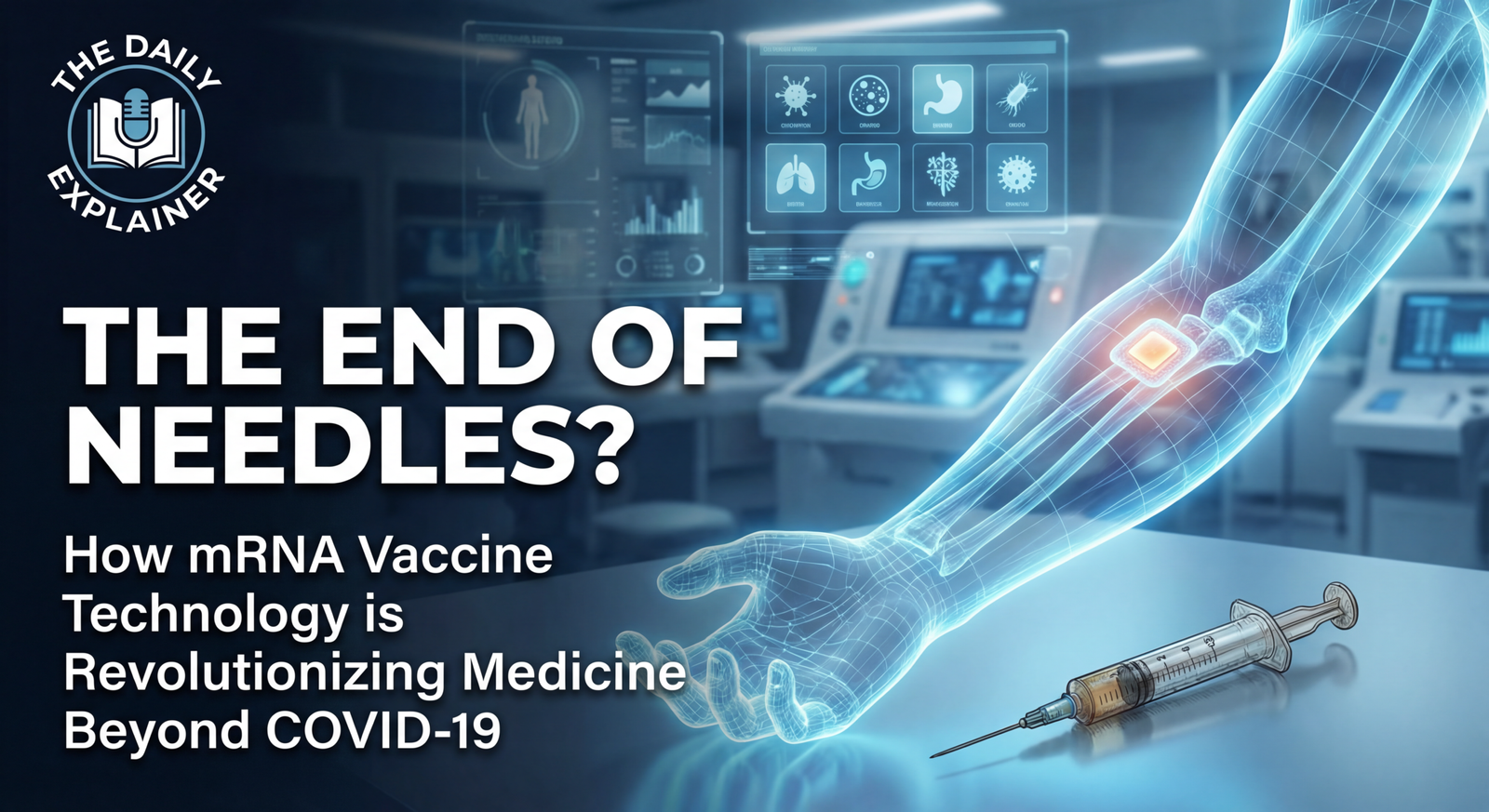
A visual walkthrough of the elegant process by which mRNA vaccines instruct your cells to build a defensive immune response.
Introduction – Why This Matters
Imagine a future where a single shot not only prevents a seasonal virus but also trains your immune system to recognize and destroy early cancer cells. Envision a world where personalized vaccines for aggressive tumors are manufactured in weeks, not years, and where devastating genetic diseases are treated not with a lifetime of medications, but with a one-time genetic instruction that repairs the body from within. This is not a distant science fiction fantasy; it is the tangible future being built today on the foundation of messenger RNA (mRNA) vaccine technology. Propelled into the global spotlight by the COVID-19 pandemic, mRNA has proven itself on the world’s largest stage. Now, this versatile platform is pivoting from a pandemic hero to a broad-spectrum medical revolution, with the potential to tackle some of humanity’s oldest and most formidable health adversaries: cancer, HIV, autoimmune disorders, and genetic diseases.
The validation is historical and statistical. The global COVID-19 mRNA vaccination campaign has been the largest in history, with over 13.5 billion doses administered worldwide as of early 2025, preventing an estimated 20 million deaths in the first year alone. This unprecedented scale has transformed mRNA from a promising but unproven concept into a validated, robust, and scalable pharmaceutical platform. The market, valued at over $100 billion during the pandemic peak, is now consolidating and expanding into new therapeutic areas, with oncology leading the charge and projected to be the dominant sector by the end of the decade.
In my experience, what’s most striking is the paradigm shift in speed. I consulted with a biotech firm in early 2020 that repurposed its cancer mRNA pipeline to address SARS-CoV-2. They had a preclinical vaccine design in silico within 48 hours of the virus’s genetic sequence being published. This agility—turning genetic code into a clinical candidate in weeks—is utterly transformative for responding to novel pathogens and for creating personalized cancer therapies.
This guide will take you beyond the headlines of COVID-19 vaccines. We will unpack the elegant science of mRNA, explore how it’s being re-engineered to fight entirely different diseases, and navigate the exciting yet complex frontier of its future applications. Whether you’re curious about how the shots in your arm work or a professional tracking the next wave of biotech investment, this is your deep dive into the technology that is rewriting the rules of medicine.
Background / Context: From Theoretical Concept to Global Validation
The story of mRNA is one of decades of stubborn, foundational science culminating in a moment of urgent, world-altering application. The core concept is simple and beautiful: rather than injecting a weakened virus or a viral protein (the approach of traditional vaccines), why not just instruct the body’s own cells to temporarily make that protein themselves? The body then learns to recognize it and builds an immune defense.
The scientific journey began in the 1960s with the discovery of mRNA. By the 1990s, visionaries like Katalin Karikó and Drew Weissman (who would later win the Nobel Prize) were doggedly pursuing its therapeutic potential. They faced a fundamental roadblock: synthetic mRNA was highly inflammatory in mammals, triggering a violent immune response that destroyed the message before it could be read. Their seminal 2005 breakthrough was discovering that by modifying the building blocks of mRNA—specifically, replacing uridine with pseudouridine—they could create a “stealth” molecule that could slip into cells without setting off alarms, enabling robust protein production.
The next critical advance was delivery. Naked mRNA is fragile and can’t easily enter cells. The solution came from lipid nanoparticles (LNPs): tiny, fatty bubbles that protect the mRNA and fuse with cell membranes to deliver their cargo. These LNPs, perfected in the 2010s, became the perfect vehicle.
When the COVID-19 pandemic hit, the stage was set. Companies like BioNTech (partnering with Pfizer) and Moderna, which had been developing mRNA cancer vaccines, pivoted with breathtaking speed. They inserted the genetic code for the SARS-CoV-2 spike protein into their proven mRNA-LNP platform. The rest is history: record-breaking development timelines, stunning efficacy in trials, and global deployment proving the platform’s safety and scalability at a level never before imagined. For more on how global systems responded to this challenge, you can explore related analysis in our coverage of global affairs and politics.
This successful baptism by fire has unlocked billions in investment and unleashed a wave of innovation. The question is no longer if the mRNA platform works, but how many ways we can harness it.
Key Concepts Defined
- Messenger RNA (mRNA): A single-stranded molecule of ribonucleic acid that carries the genetic instructions (the “message”) copied from DNA, directing cells to make specific proteins. Therapeutic mRNA is synthetic, designed in a lab.
- Lipid Nanoparticles (LNPs): The delivery vehicle. Tiny spheres (nanometers in diameter) made of ionizable lipids, cholesterol, helper lipids, and polyethylene glycol. They encapsulate and protect the fragile mRNA, facilitate cell entry, and release the mRNA into the cell’s cytoplasm.
- Spike Protein (S Protein): The distinctive surface protein of the SARS-CoV-2 coronavirus that allows it to enter human cells. It was the antigen targeted by the COVID-19 mRNA vaccines.
- Antigen: Any substance that causes the immune system to produce antibodies against it. In vaccines, it’s the harmless piece of the pathogen (like the spike protein) that trains the immune system.
- Neutralizing Antibodies: Immune proteins that bind directly to a virus and physically block it from infecting cells. They are a primary goal of vaccination.
- Cellular Immunity (T-Cell Response): The arm of the immune system involving T-cells (helper and killer), which are crucial for destroying already infected cells and providing long-term immune memory. mRNA vaccines excel at stimulating this.
- Self-Amplifying mRNA (saRNA): A next-generation mRNA technology that incorporates viral replication machinery. Once inside a cell, it can make copies of itself, leading to much higher and more prolonged protein production from a significantly smaller dose.
- Personalized Neoantigen Vaccine: A cancer vaccine custom-designed for an individual patient. It contains mRNA instructions for proteins (neoantigens) unique to that patient’s tumor, teaching their immune system to target the cancer specifically.
- Therapeutic Vaccine: Unlike a preventive vaccine (given to healthy people), a therapeutic vaccine is given to people who already have a disease (like cancer or HIV) to stimulate their immune system to fight it.
- Rare Disease mRNA Therapy: Using mRNA not as a vaccine, but as a temporary, in vivo protein replacement therapy. The mRNA instructs the body to produce a functional protein it is missing due to a genetic mutation.
How It Works: A Step-by-Step Breakdown of the mRNA Instruction Set
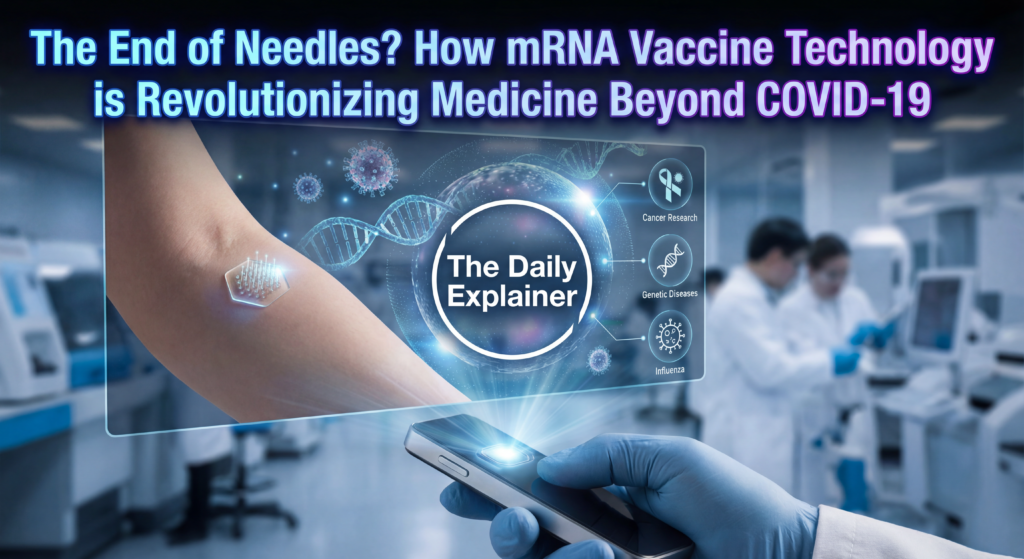
The elegance of mRNA lies in its simplicity and its clever co-opting of natural cellular machinery. Here is the step-by-step journey from a vial to an immune response.
Step 1: Design and Manufacture
- Genetic Sequencing: Scientists identify the target—the genetic sequence of a viral antigen (e.g., a flu hemagglutinin) or a cancer neoantigen.
- In Silico Design: Using digital tools, they design an optimized mRNA sequence. This includes the code for the target protein, flanked by regulatory regions for stability and efficient translation, all built with modified nucleosides (like pseudouridine).
- Enzymatic Synthesis: The mRNA is manufactured not in cells, but in a cell-free, chemical process using an enzyme called T7 RNA polymerase. This is fast, scalable, and avoids contamination risks. The process is like printing: a DNA template is fed in, and strands of mRNA are printed out.
Step 2: Formulation and Delivery
- Encapsulation: The synthesized mRNA is mixed with ionizable lipids and other components. Under precise conditions, they self-assemble into lipid nanoparticles (LNPs), with the mRNA safely trapped inside a fatty core.
- Injection & Trafficking: The LNP formulation is injected, typically into muscle. The LNPs travel through the lymphatic system and bloodstream. Their small size and surface properties allow them to drain into lymph nodes, the command centers of the immune system.
Step 3: Cellular Uptake and Protein Production
- Cell Entry: Immune cells called dendritic cells and macrophages, as well as local muscle cells, engulf the LNPs. The ionizable lipids are designed to fuse with the endosomal membrane inside the cell, releasing the mRNA into the cytoplasm (the cell’s fluid interior).
- Translation: The cell’s native protein-making factories, called ribosomes, bind to the mRNA and read its genetic code. They assemble amino acids in the exact order specified, constructing the target protein (e.g., the spike protein). This process leverages the body’s own machinery; the mRNA is just the borrowed instruction manual.
Step 4: Immune System Education
- Antigen Presentation: The newly made proteins are processed. Pieces of them (antigens) are displayed on the cell surface via MHC class I and II molecules. This is the “wanted poster” for the immune system.
- Activation & Amplification: This display activates T-cells and B-cells in the lymph nodes. Helper T-cells coordinate the response. Killer T-cells are primed to destroy any cell displaying this antigen. B-cells begin producing highly specific neutralizing antibodies.
- Immune Memory: A subset of these activated T-cells and B-cells become long-lived memory cells. They persist for months or years, ready to mount a rapid, powerful defense if they ever encounter the real pathogen or cancer cell bearing the same antigen.
Key Takeaway: mRNA vaccines are a software delivery system for biology. The LNP is the hardware (USB drive) that delivers the mRNA software (the program file) into your cells. Your cellular machinery (the computer) then runs the program to produce the antigen (the output), which trains your immune system (the security software) to recognize a specific threat. The mRNA itself is transient—it degrades within days—leaving behind only the educated immune memory.
Why It’s Important: A Platform for the Future of Medicine
The COVID-19 proof-of-concept was monumental, but the true importance of mRNA is its versatility as a rapid-response, programmable platform for a host of applications.
1. Unprecedented Speed and Agility Against Pandemics
The traditional vaccine development timeline is 5-10 years. mRNA compressed it to under 11 months for COVID-19. This agility is a permanent game-changer for pandemic preparedness. Platforms like the Coalition for Epidemic Preparedness Innovations (CEPI) are now funding “library” vaccines for known viral families (e.g., betacoronaviruses, flaviviruses). When a new threat emerges from that family, the core mRNA platform can be quickly updated with the new genetic sequence, shaving many months off the response time.
2. A Powerful New Weapon in the Fight Against Cancer
This is arguably the most exciting frontier. mRNA enables personalized cancer vaccines.
- Process: A patient’s tumor is sequenced to find unique mutations (neoantigens). An mRNA vaccine encoding up to 20 of these neoantigens is custom-designed and manufactured.
- Mechanism: The vaccine teaches the immune system to recognize the cancer as foreign. Combined with immune checkpoint inhibitors (drugs that take the “brakes” off T-cells), it can induce a potent, targeted attack against the tumor while largely sparing healthy tissue.
Companies like BioNTech and Moderna have dozens of trials underway for melanoma, colorectal cancer, pancreatic cancer, and more, with several showing highly promising early results.
3. Tackling Elusive “Immune Escape” Pathogens
Viruses like HIV and influenza have eluded traditional vaccines due to their high mutation rates and ability to hide from the immune system. mRNA technology offers two advantages:
- Speed: Rapid iteration of new designs to chase variants.
- Combinatorial Antigens: A single vaccine can encode multiple variants of a viral protein or even proteins from different stages of the viral life cycle, aiming to corner the pathogen and block escape routes. Moderna and the NIH have promising mRNA HIV vaccine candidates in early clinical trials.
4. Treating Genetic Diseases as Protein Deficiencies
If cells can be instructed to make viral proteins, why not therapeutic human proteins? Rare disease mRNA therapy aims to treat conditions like cystic fibrosis, methylmalonic acidemia, or certain liver enzyme deficiencies by delivering mRNA that codes for the missing or dysfunctional protein. This offers a transient but repeatable therapy, avoiding the risks of permanently altering DNA (as in gene therapy). For broader insights into innovation and business applications of such technologies, you might find our resource on starting an online business offers a parallel in leveraging new platforms.
5. Potential in Autoimmunity and Allergy: “Inverse Vaccination”
Paradoxically, mRNA could be used to suppress unwanted immune responses. The concept is to encode self-antigens involved in diseases like multiple sclerosis or type 1 diabetes and deliver them in a tolerogenic context (e.g., with different LNPs or to specific organs like the liver). The goal is to “re-educate” the immune system to tolerate these self-proteins, halting the autoimmune attack. Early preclinical work is highly exploratory but promising.
Sustainability in the Future: Building a Durable, Equitable Platform
For mRNA to fulfill its destiny as a foundational medical platform, it must address key challenges beyond the science.
Thermal Stability and the “Cold Chain” Problem
The first-generation COVID-19 vaccines required ultra-cold storage (-60°C to -90°C), creating immense logistical hurdles for global distribution, especially in low-resource settings. The sustainability imperative is thermostable formulations. Advances in lyophilization (freeze-drying) and novel lipid chemistry are showing promise. Moderna’s next-gen COVID-19/flu combination vaccine candidate, for instance, is designed to be stable at standard refrigerator temperatures (2-8°C) for months, which would be transformative for access.
Durability of Immune Response
While mRNA vaccines induce strong neutralizing antibodies and T-cell responses, antibody levels can wane relatively quickly compared to some live-virus vaccines, necessitating boosters. Research is focused on:
- Improved Antigen Design: Structurally engineering the encoded protein to be more immunogenic.
- Novel Adjuvants: Incorporating immune stimulants into the LNP to provoke a stronger, longer-lasting response.
- Self-Amplifying mRNA (saRNA): As mentioned, this technology could provide durable protection from a single, very low dose.
Mitigating Reactogenicity
The mRNA-LNP platform can cause noticeable but transient side effects (fatigue, headache, chills, injection site pain) in many recipients, more so than some traditional vaccines. This is linked to the potent innate immune activation. Future iterations are engineering “cleaner” mRNA with even less inflammatory profile and tuning the lipid components to reduce reactogenicity while maintaining immunogenicity.
Ensuring Equitable Global Access and Manufacturing
The pandemic highlighted stark vaccine inequity. A sustainable future requires decentralized manufacturing. Initiatives like the WHO’s mRNA vaccine technology transfer hub in South Africa are building local capacity. The open-source model of patent waivers (though complex) and voluntary licensing agreements are part of the ongoing global conversation to ensure this revolutionary technology benefits all of humanity, not just wealthy nations. For more on global cooperation in complex systems, see our explanation of global supply chain management.
Common Misconceptions
Misconception 1: “The mRNA vaccine alters your DNA.”
- Reality: This is biologically impossible. mRNA never enters the cell’s nucleus, where DNA is housed. It operates entirely in the cytoplasm, is used to make protein, and then is degraded by normal cellular processes within days. It is a transient instruction, not a permanent change.
Misconception 2: “Because it was developed quickly, it must be unsafe.”
- Reality: The speed was due to unprecedented global resources, parallel clinical trial phases, and prior platform work—not a shortcut on safety. The mRNA COVID-19 vaccines underwent the same rigorous Phase I, II, and III trials as any other drug, with data reviewed by independent regulators. Their safety profile is now one of the most extensively monitored in history, with hundreds of millions of patient-years of data.
Misconception 3: “The LNPs are dangerous ‘nanotechnology’.”
- Reality: LNPs are biocompatible and biodegradable. They are made from fats similar to those in cell membranes. They have been studied for decades in drug delivery. While they contribute to reactogenicity, they are not toxic or persistent in the body.
Misconception 4: “Natural immunity from infection is always better than vaccine-induced immunity.”
- Reality: While infection can provide robust immunity, it comes at the high risk of severe disease, long-term complications (Long COVID), and death. mRNA vaccines provide a safe path to a strong immune response, particularly a potent T-cell response, without the risks of the actual disease. They also offer a more consistent, predictable level of protection.
Misconception 5: “mRNA vaccines cause infertility.”
- Reality: There is zero credible biological mechanism or epidemiological data supporting this. The spike protein produced by the vaccine is not similar to proteins involved in placental development. Millions of women have conceived and delivered healthy babies after vaccination.
Recent Developments (2024-2025): The Pipeline Explodes
The post-pandemic era has seen an explosion of clinical activity.
- Combination Vaccines: The first wave is here. Moderna and Pfizer/BioNTech have late-stage trials for combined COVID-19 and influenza mRNA vaccines, aiming for a single annual shot. RSV mRNA vaccines from both companies have shown high efficacy in older adults and are now on the market, a major advancement over previous difficult RSV vaccine development.
- Cancer Vaccine Breakthroughs: In December 2024, Moderna and Merck announced stunning Phase III results for their mRNA personalized cancer vaccine (mRNA-4157) in combination with Keytruda for high-risk melanoma. It showed a statistically significant and clinically meaningful improvement in recurrence-free survival, marking a potential world-first for a personalized mRNA cancer therapy. This is a landmark event triggering massive investment into oncology applications.
- Beyond Spike: Pan-Coronavirus Vaccines: Research is intensifying on “universal” coronavirus vaccines targeting conserved regions of the virus beyond the mutable spike protein. Early animal data for mRNA vaccines encoding nucleocapsid (N) protein or receptor-binding domain (RBD) mosaics show promise in providing broader protection against future variants and related coronaviruses.
- saRNA Enters the Clinic: Companies like Gritstone bio and Arcturus Therapeutics have advanced saRNA vaccines into clinical trials for both COVID-19 and cancer. The potential for lower dosing and longer-lasting effects is being put to the test.
- Rare Disease Milestones: Translate Bio (now part of Sanofi) and others have early clinical data showing successful in vivo production of functional proteins in the lungs (for cystic fibrosis) and liver, validating the therapeutic protein replacement concept.
Success Stories and Real-Life Examples
Case Study 1: Personalized Melanoma Vaccine – A Turning Point
- Challenge: A 55-year-old patient with Stage III melanoma has the tumor surgically removed but faces a high risk of deadly recurrence.
- Solution: As part of a clinical trial, the patient’s tumor is genetically sequenced. A bespoke mRNA vaccine is designed to encode 34 unique neoantigens identified from her tumor. She receives the vaccine series along with the immunotherapy drug pembrolizumab.
- Outcome: Two years later, she remains cancer-free. Scans show no evidence of disease. Her T-cells show strong reactivity to the vaccine-targeted neoantigens. This individual story is now reflected in the aggregate positive Phase III data, heralding a new era in oncology.
Case Study 2: Rapid Response to a Novel Flu Strain
- Challenge: In late 2024, a novel avian influenza A(H5N1) strain with concerning mutations is detected in humans, showing potential for pandemic spread.
- Solution:
- Day 1: The viral sequence is published to global databases.
- Day 3: Using a pre-existing “plug-and-play” mRNA platform for influenza, scientists at the CDC and a vaccine manufacturer design a candidate vaccine encoding the new strain’s hemagglutinin (HA) and neuraminidase (NA) proteins.
- Day 10: The first batch of mRNA is synthesized and encapsulated in LNPs.
- Day 25: Preclinical immunogenicity studies in animals begin, alongside manufacturing of clinical-grade material.
- Outcome: A clinical trial candidate is ready for Phase I in under 40 days, compared to the 4-6 months required for traditional egg-based flu vaccine production. This demonstrates the platform’s power as a rapid-response tool.
Case Study 3: Treating a Rare Metabolic Disease
- Challenge: A child with propionic acidemia, a rare, life-threatening disorder where the body cannot break down certain proteins and fats due to a missing mitochondrial enzyme.
- Solution: The child enrolls in a trial for an mRNA therapy (ARCT-810). The mRNA is designed to be taken up by liver cells and instruct them to produce the functional version of the missing enzyme, propionyl-CoA carboxylase.
- Outcome: Early trial results show dose-dependent production of the enzyme and a corresponding decrease in toxic metabolites in the blood. While not a cure, this represents a potential life-changing treatment that could be administered periodically to manage the disease, avoiding the need for a risky liver transplant.
Conclusion and Key Takeaways
The mRNA revolution, born from decades of obscure research, validated in a global crisis, is now entering its most consequential phase. It has transitioned from a pandemic tool to a multipurpose medical platform with the potential to address a vast landscape of human disease.
The path forward is marked by several clear truths:
- Platform Versatility is Key: The same core technology can be adapted to prevent infectious diseases, treat cancer, and correct genetic errors. This modularity is its greatest strength.
- Personalized Medicine Has Arrived: The successful late-stage trials of personalized cancer vaccines prove that tailoring treatments to an individual’s unique biology is no longer a theory—it’s a scalable, effective reality.
- Speed is a Permanent Feature: The ability to go from genetic sequence to clinical candidate in weeks is now hardwired into our pandemic defense and cancer treatment arsenals.
- Overcoming Logistical Hurdles is Critical: For global impact, the focus must be on thermostable formulations, scalable manufacturing, and equitable access models.
- The Future is Combinatorial: The most powerful applications will combine mRNA with other modalities: checkpoint inhibitors in cancer, traditional antigens in combo vaccines, and novel delivery systems for targeted organ therapy.
The story of mRNA is a testament to the power of foundational science. It teaches us that investing in curiosity-driven research, even without an immediate application, can yield tools that one day save the world. The pandemic was chapter one. The fight against cancer, genetic disease, and future pathogens will be the sequels, written in the language of mRNA. For ongoing analysis of such transformative trends, be sure to check our blog for regular updates.
Frequently Asked Questions (FAQs)
1. How long does the mRNA from the vaccine stay in my body?
The synthetic mRNA is very fragile. It is used by cells to make protein within the first 24-48 hours after vaccination and is then rapidly degraded by normal cellular processes. It is completely gone within a few days. The immune memory it creates, however, lasts for months or years.
2. Can mRNA vaccines cause autoimmune diseases?
There is no evidence that mRNA vaccines cause autoimmune diseases. Large-scale epidemiological studies following hundreds of millions of people have not found an increased incidence. The robust immune response is directed specifically at the encoded antigen, not at self-proteins. In fact, as discussed, mRNA is being researched as a way to treat autoimmunity.
3. Why do some people get side effects like fever and chills?
These are signs of a strong innate immune system activation, which is actually part of what makes the vaccine effective. The LNPs and the mRNA itself can trigger sensors that signal an “alarm,” releasing cytokines (immune signaling molecules) that cause these transient flu-like symptoms. They typically resolve within 24-48 hours and are more common in younger people with more reactive immune systems.
4. What is the difference between Pfizer/BioNTech and Moderna vaccines?
They use the same fundamental technology (nucleoside-modified mRNA in LNPs) but have different formulations. Key differences include: the specific lipid makeup of their LNPs, the amount of mRNA per dose (30 mcg vs. 100 mcg for the initial series), and the buffer used (phosphate vs. tromethamine). These lead to slightly different storage requirements and reactogenicity profiles, but both are highly safe and effective.
5. Can I get an mRNA vaccine if I’m pregnant or breastfeeding?
Yes, and it is strongly recommended by major health organizations (ACOG, CDC, WHO). Pregnant individuals are at high risk for severe COVID-19. Data from large registries show mRNA vaccination during pregnancy is safe and provides protective antibodies that transfer to the baby through the placenta and breast milk.
6. Are there any long-term risks that we don’t know about yet?
Vaccine safety monitoring is continuous. The most rigorous period for detecting adverse events is the first 6-8 weeks after vaccination. The mRNA and LNPs do not persist in the body, making biologically plausible mechanisms for very long-term (years later) effects extremely unlikely. History shows that vaccine-related adverse events virtually always appear within this initial window.
7. How are personalized cancer vaccines made?
- Tumor sample from surgery/biopsy and a blood sample are sequenced.
- Bioinformatics algorithms compare tumor DNA to normal DNA to identify tumor-specific mutations.
- Algorithms predict which mutated peptides are most likely to be presented on the tumor cell surface and trigger an immune response (neoantigens).
- mRNA is synthesized to encode these top neoantigens.
- The vaccine is manufactured, a process currently taking about 6-8 weeks and aiming to get shorter.
8. Will mRNA replace all traditional vaccines?
Not all. Different platforms have different strengths. For example, live-attenuated vaccines (like MMR) often provide incredibly durable, lifelong immunity with a single dose—a high bar for mRNA to reach. mRNA will likely become the dominant platform for new targets (like RSV), rapid response, and personalized medicine, but traditional platforms will remain in use where they are optimal.
9. What is “immune imprinting” and does it affect mRNA boosters?
Immune imprinting (or “original antigenic sin”) is the phenomenon where the immune system’s first exposure to a virus (or vaccine) shapes its response to future variants. It can make booster responses more focused on the original strain. mRNA vaccine designers are countering this by using updated, variant-matched sequences for boosters and by developing vaccines that present multiple variant antigens simultaneously.
10. How does self-amplifying mRNA (saRNA) work?
saRNA contains the code for the antigen and for a viral replicase enzyme (usually from an alphavirus). Once inside the cell, this enzyme is produced and makes copies of the saRNA strand. This leads to a huge amplification of the template, resulting in much more antigen production from a tiny initial dose, potentially improving immunogenicity and duration.
11. Can mRNA technology be used for diseases other than infections and cancer?
Absolutely. Active research areas include: protein replacement for rare diseases, antibody delivery (encoding therapeutic monoclonal antibodies like anti-VEGF for macular degeneration), allergy desensitization, and regenerative medicine (encoding growth factors to heal heart tissue after a heart attack).
12. Who owns the patents for mRNA technology?
It’s a complex landscape. Foundational patents on nucleoside modification are held by the University of Pennsylvania and licensed to both BioNTech and Moderna. Patents on LNP delivery systems are held by various entities (Acuitas, Arbutus). This has led to ongoing litigation but also cross-licensing agreements that enable product development.
13. What role did Operation Warp Speed play?
The U.S. government’s Operation Warp Speed provided billions in funding to de-risk vaccine development for companies. It funded massive parallel Phase III trials and guaranteed purchase of doses before knowing if the vaccines would work. This removed financial and logistical barriers, accelerating timelines but not compromising scientific or safety standards.
14. How can I stay updated on new mRNA vaccines (for flu, cancer, etc.)?
Follow updates from national health agencies (CDC, NIH), peer-reviewed journals (Nature, Science, NEJM), and the clinicaltrials.gov database. Reputable science news outlets also provide excellent coverage of major milestones.
15. What’s the biggest technical challenge for mRNA cancer vaccines?
The tumor microenvironment. Many cancers create a “cold” immunosuppressive environment that shuts down T-cells, even if they are properly trained by the vaccine. The solution is combination therapy: pairing the vaccine with drugs (checkpoint inhibitors, etc.) that reverse this immunosuppression, turning “cold” tumors “hot.”
16. Are there any mRNA vaccines for pets?
Yes! The platform is species-agnostic. Companies like Zoetis have developed and deployed an mRNA vaccine for COVID-19 in minks and are researching vaccines for other veterinary infectious diseases and cancers in dogs and cats.
17. What does “nucleoside-modified” mean and why is it important?
It means one of the RNA building blocks (uridine) is swapped for a slightly modified version (like pseudouridine or N1-methylpseudouridine). This modification, from Karikó and Weissman’s work, is crucial. It prevents the synthetic mRNA from triggering excessive innate immune inflammation, allowing it to be translated efficiently into protein—the key to the platform’s success.
18. How do we know the LNPs go mainly to the arm muscle and lymph nodes?
Advanced imaging studies in animals using labeled LNPs show this distribution. While a tiny fraction goes to other organs (like the liver, which metabolizes small particles), the vast majority localizes to the injection site and draining lymph nodes, which is ideal for vaccine function.
19. Could mRNA be delivered orally or nasally?
This is a major goal for the next generation, especially for respiratory viruses. An inhaled or nasal spray vaccine could create strong mucosal immunity right at the site of infection (lungs, nasal passages). The challenge is protecting the mRNA from degradation and getting it into cells across mucosal barriers. Early-stage research is very active in this area.
20. What is the role of the World Health Organization’s (WHO) mRNA technology hub?
The WHO mRNA Vaccine Technology Transfer Hub, established in South Africa, aims to build sustainable mRNA vaccine manufacturing capacity in low- and middle-income countries (LMICs). It provides training, licenses for patents, and technical know-how to empower regions to produce their own vaccines, ensuring greater equity in future health crises.
About the Author
This guide was authored by a molecular immunologist and medical writer with over 12 years of experience in vaccine research and biopharmaceutical communication. Having worked on both traditional adjuvant systems and next-generation platforms, the author provides a unique perspective on the comparative advantages and real-world implications of the mRNA revolution. Their work is dedicated to translating complex immunology into clear, actionable knowledge for the public and professionals alike. For further inquiries or to suggest topics, please visit our contact us page.
Free Resources to Continue Your Learning
- The RNA Society: Provides educational resources and webinars on RNA biology, including therapeutic applications.
- NIH National Institute of Allergy and Infectious Diseases (NIAID) Vaccine Research Center: Offers primers and updates on all vaccine platforms, including mRNA.
- Nature Portfolio’s “mRNA vaccines” topic page: A curated collection of the latest high-impact research articles and reviews on mRNA technology.
- CDC’s “Understanding mRNA COVID-19 Vaccines”: A clear, authoritative resource on the basics of how the vaccines work and their safety.
Discussion
The rapid ascent of mRNA invites profound questions about the future of health.
- With the advent of personalized cancer vaccines, how should healthcare systems prepare for ultra-personalized, on-demand manufacturing of medicines?
- Does the success of mRNA validate a greater focus on platform-based biomedical research over single-disease targets?
- How can global governance ensure that the benefits of this agile technology are shared equitably to prevent a two-tiered medical future?
We welcome your thoughts on these critical questions. The journey of mRNA is a collective one, and its ultimate impact will be shaped by the conversations we have today. For discussions on other critical global systems, our section on breaking news often covers the intersection of technology, policy, and society.
About The Author