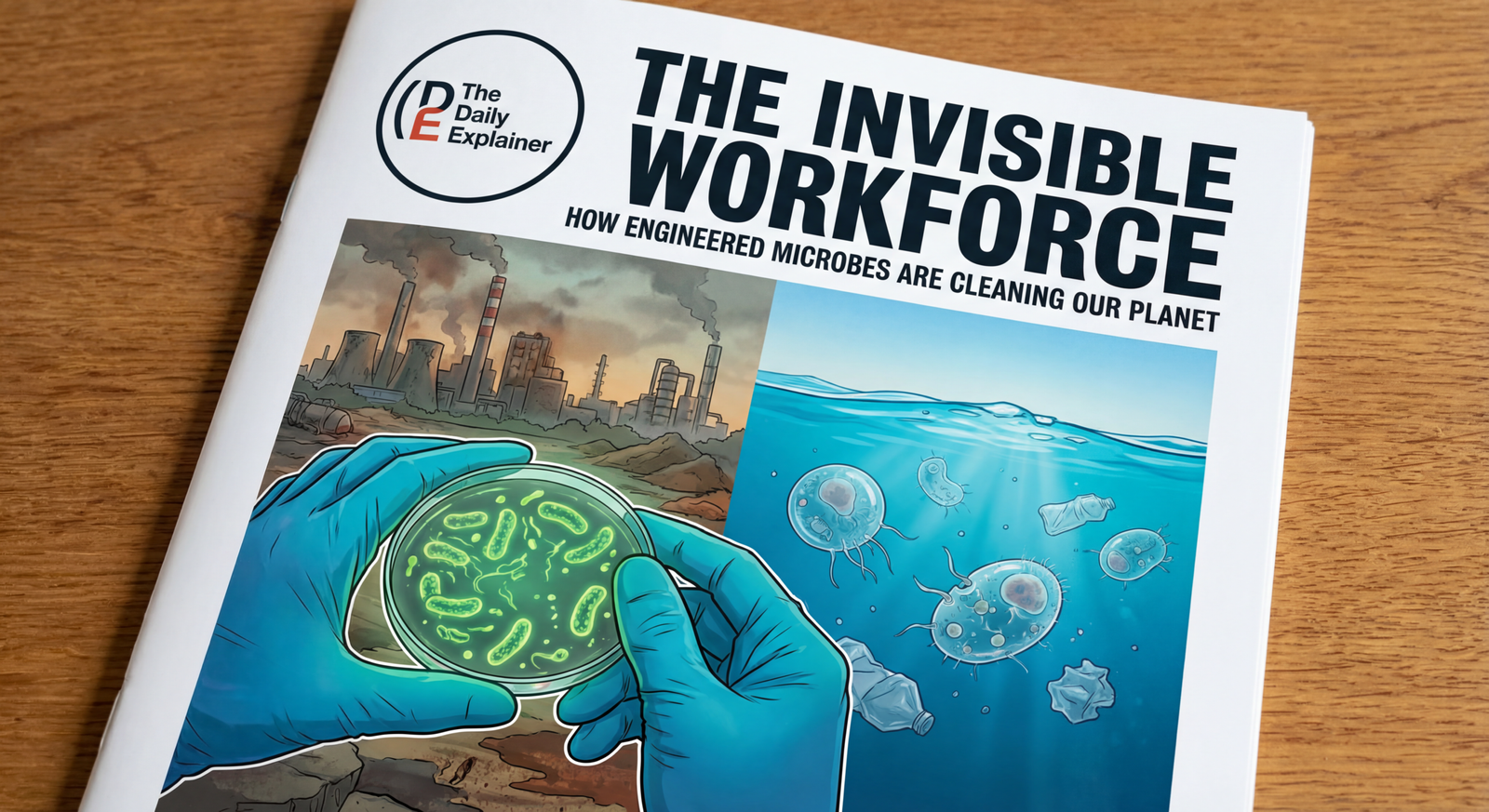
A visual breakdown of the key stages in a bioremediation project, from site assessment to verification of clean-up.
Introduction – Why This Matters
In a nondescript lab in California, scientists are not developing a new drug or tech gadget. Instead, they are meticulously editing the DNA of a common soil bacterium, teaching it to perform a new trick: seek out and digest microscopic particles of polyurethane plastic. In a polluted river in India, a consortium of naturally occurring microbes, carefully selected and boosted, is being used to break down toxic industrial waste without the need for hazardous chemicals. These are not scenes from science fiction; they are real-world examples of bioremediation—the use of living organisms to clean up environmental pollution. Today, we stand at the precipice of a new era where engineered microbes and synthetic biology are transforming this field from a natural process into a precision tool, offering a powerful, sustainable answer to some of our most intractable pollution problems.
The scale of the challenge is staggering. The World Bank estimates that the world generates over 2.1 billion tonnes of municipal solid waste annually, a figure projected to grow to 3.4 billion tonnes by 2050. Of the estimated 9.2 billion tonnes of plastic ever produced, approximately 7 billion tonnes have become waste, languishing in landfills and oceans. Traditional remediation methods—digging up contaminated soil and dumping it elsewhere, incinerating waste, or chemical treatment—are often prohibitively expensive, energy-intensive, and can simply move the problem or create secondary pollution.
In my experience, the most powerful aspect of bioremediation is its elegance. I’ve visited former industrial sites, once written off as permanently blighted, where strategic microbial treatment over several years has restored the soil to the point where native grasses and insects have returned. It’s a silent, patient process of healing that works with nature, not against it.
This article will serve as your definitive guide to this biological clean-up revolution. Whether you’re new to the concept of using bacteria to “eat” pollution or a professional in environmental science seeking an update on the latest genetic engineering breakthroughs, we will explore the science, the successes, the ethical debates, and the future of using microbes as our planetary partners in detoxification.
Background / Context: From Ancient Processes to Modern Genetic Tools

The concept of using biology to manage waste is ancient. Composting is a form of bioremediation, where microbes break down organic matter. However, the formal recognition of microbes as environmental cleaners began in the 1960s and 70s, spurred by increasing oil spills. Scientists observed that hydrocarbons from spilled oil naturally degraded over time, and this process could be accelerated by fertilizing the native bacteria with nitrogen and phosphorus—a technique known as biostimulation.
The 1980s saw the dawn of bioaugmentation—the direct addition of specific, pollutant-eating bacterial strains to a contaminated site. The first major commercial success was the use of specialized bacteria to clean up chlorinated solvents, a common groundwater pollutant from dry cleaners and industry. This proved bioremediation could be a legitimate, cost-effective alternative to “dig and dump.”
The field’s potential exploded with the advent of genetic engineering and, later, synthetic biology. Where scientists once searched for naturally occurring bacteria with useful traits, they could now begin to design them. The completion of the first bacterial genome sequence in 1995 was a watershed moment. It provided the blueprint, and the subsequent development of precise gene-editing tools like CRISPR-Cas9 gave scientists the pencil and eraser to rewrite it.
This convergence of environmental need, microbiological understanding, and genetic tools has given rise to a new generation of solutions. We are no longer limited to what nature has already evolved. We can now envision—and are beginning to create—microbes designed from the ground up to detect, capture, and break down pollutants that have previously been considered “non-biodegradable.” For insights into how global cooperation tackles large-scale challenges, you can explore related discussions in our global affairs and politics section.
Key Concepts Defined
- Bioremediation: The use of microorganisms (bacteria, fungi, algae) to neutralize or remove contaminants from soil, water, or air by breaking them down into less harmful substances like water, carbon dioxide, and salts.
- Engineered Microbes: Microorganisms whose genetic material (DNA) has been deliberately modified in a laboratory to enhance or impart specific capabilities, such as the ability to degrade a novel pollutant or work more efficiently under certain conditions.
- Synthetic Biology (SynBio): A multidisciplinary field that applies engineering principles to biology. It aims to design and construct new biological parts, devices, and systems, or to redesign existing natural biological systems for useful purposes. It’s the foundational science behind advanced microbial engineering.
- Plastic-Degrading Enzymes: Proteins produced by microbes that act as biological catalysts to break the long polymer chains of plastics into smaller molecules (monomers) that the microbe can then use as food. Key examples include PETase (breaks down PET plastic) and MHETase.
- Heavy Metal Bioabsorption/Bioaccumulation: The process where certain microbes can bind heavy metal ions (like lead, mercury, cadmium) to their cell surfaces or transport them inside their cells, effectively removing them from the environment and concentrating them for safer recovery.
- Consortium: A carefully selected community of different microbial species that work together synergistically to degrade a complex pollutant. One microbe may break down a compound into an intermediate, which a second microbe then processes further.
- Contaminant of Emerging Concern (CEC): Pollutants not commonly monitored or regulated but posing a potential threat to environmental and human health. These include pharmaceuticals, personal care products, and microplastics—key targets for next-gen bioremediation.
- Biosensor: A genetically engineered microbe designed to detect and report the presence of a specific contaminant, often by producing a visible signal (like fluorescence) when the pollutant is encountered.
How It Works: A Step-by-Step Breakdown of Microbial Clean-Up

The process of bioremediation, whether using natural or engineered microbes, follows a logical biological sequence.
Step 1: Discovery and Design
- For Natural Consortia: Scientists sample extreme environments (deep-sea vents, polluted sites, landfills) to find “extremophile” microbes already tolerating and breaking down target pollutants. These are isolated and their metabolisms studied.
- For Engineered Solutions: Researchers identify the genetic pathways for pollutant degradation. They might find a weak plastic-degrading enzyme in a bacterium from a recycling plant. Using tools like directed evolution (repeatedly mutating the gene and selecting for improved function) or computational protein design, they create a vastly more efficient version of the enzyme.
Step 2: Microbial “Tool” Preparation
- Bioaugmentation: The selected or engineered bacterial strains are grown in large fermenters, producing billions of cells. They may be formulated into a powder, liquid concentrate, or immobilized on a substrate like biochar.
- Biostimulation: Instead of adding microbes, the treatment involves preparing a nutrient mix (often called a “fertilizer”) containing nitrogen, phosphorus, and sometimes oxygen-releasing compounds to boost the native microbial population.
Step 3: Site Application and Delivery
The chosen microbial “tool” is delivered to the contaminated site. This is a critical engineering challenge.
- In Situ Treatment: The microbes/nutrients are applied directly to the polluted area without excavating it. For groundwater, this might involve injection wells. For soil, it could be tilling in the microbial mixture. This is less disruptive and cheaper.
- Ex Situ Treatment: The contaminated material (soil, water) is excavated or pumped out and placed in a controlled bioreactor or treatment bed where conditions (temperature, pH, mixing, nutrient levels) are optimized for maximum microbial activity. This is faster and more controllable but more expensive.
Step 4: The Degradation Process
Once in place, the microbes go to work.
- Recognition & Uptake: The microbe produces enzymes that are secreted into the environment or displayed on its cell wall.
- Breakdown (Catabolism): These enzymes bind to the pollutant molecule (e.g., a benzene ring from oil or a PET polymer chain) and catalyze a chemical reaction that breaks it into smaller, soluble pieces.
- Assimilation & Energy Production: The microbe imports these smaller molecules and uses them as building blocks (anabolism) or breaks them down further in its metabolic pathways (like the Krebs cycle) to generate energy (ATP) for growth and reproduction.
- Mineralization: The ideal end point. The complex organic pollutant is fully broken down into harmless, inorganic end products: carbon dioxide (CO2), water (H2O), and chloride or nitrate salts.
Step 5: Monitoring and Verification
The site is monitored over months or years. Scientists measure:
- Pollutant Concentration: Is the toxin (e.g., TCE, total petroleum hydrocarbons) decreasing?
- Microbial Activity: Are the degradation genes being expressed? Are daughter products of breakdown appearing?
- Ecology: Is the overall health of the soil or water body improving?
Key Takeaway: Bioremediation leverages the natural metabolic hunger of microbes. We either enhance the native workforce (biostimulation), hire specialized contractors (bioaugmentation), or genetically design super-workers (engineered microbes) to break complex pollutants down into the basic, harmless building blocks of life.
Why It’s Important: The Case for Biological Solutions
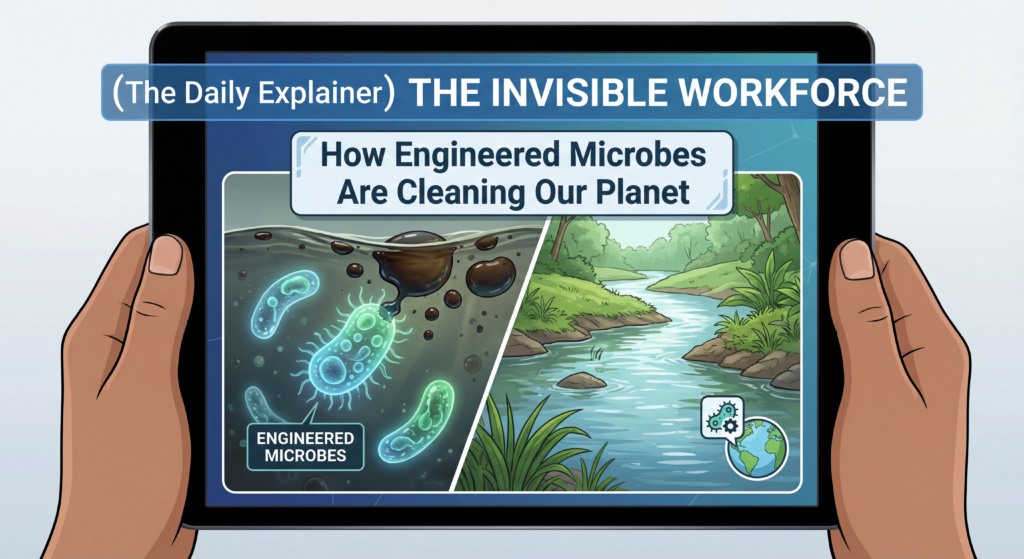
The value of advanced bioremediation extends far beyond being a novel scientific trick. It addresses core deficiencies in our current environmental management paradigm.
1. Sustainable and Circular
Unlike incineration, which transforms solid waste into air pollution and ash, bioremediation aims for complete mineralization. It works at ambient temperatures and pressures, requiring significantly less energy than thermal or high-pressure chemical treatments. It aligns with circular economy principles by converting waste into microbial biomass, CO2, and water—potential resources rather than permanent hazards.
2. Cost-Effectiveness at Scale
For large, diffuse contamination (like a widespread groundwater plume or a massive landfill), traditional “dig and dump” can cost tens to hundreds of millions of dollars. In-situ bioremediation can often treat the same area for a fraction of the cost, as it avoids the enormous expenses of excavation, transport, and secure landfilling. A 2025 analysis by the U.S. Environmental Protection Agency (EPA) found bioremediation to be, on average, 30-50% cheaper than conventional methods for soil and groundwater cleanup.
3. Tackling the “Untreatable.”
Many synthetic chemicals, like per- and polyfluoroalkyl substances (PFAS “forever chemicals”) and certain persistent pesticides, were designed to resist natural degradation. Natural microbes lack the pathways to break them down. Synthetic biology offers the only realistic path to developing biological solutions for these pollutants, creating enzymes that can cleave the ultra-strong carbon-fluorine bonds at the core of PFAS.
4. Precision and Reduced Secondary Impact
Chemical oxidants used in traditional remediation are non-discriminatory; they can harm beneficial soil organisms and plant life. Microbial processes can be more targeted. Furthermore, engineered biosensors can provide real-time, precise maps of contamination, allowing for ultra-targeted treatment that preserves the surrounding healthy environment.
5. Community and Ecological Restoration
Bioremediation is often the only viable option for sensitive or inaccessible areas—river sediments, protected wetlands, or subsurface aquifers. It allows for cleanup with minimal physical disruption, enabling faster restoration of ecosystems and return of land to communities for productive use.
What I’ve found is that the economic argument is often the most persuasive for industries and governments. When you can show not just the environmental benefit, but a clear cost savings of 30% or more on a multi-million dollar liability, the conversation shifts from “Should we?” to “How fast can we start?” This economic driver is crucial for widespread adoption.
Sustainability in the Future: Engineering an Ethical Biology
The long-term success of engineered bioremediation hinges on responsible development that prioritizes safety and ecological integration.
Biocontainment: The “Suicide Switch” Imperative
The foremost concern is the uncontrolled spread of genetically modified organisms (GMOs) in the environment. Sustainable practice demands robust biocontainment strategies. These include:
- Auxotrophy: Engineering microbes that depend on a synthetic amino acid or vitamin not found in nature. If they escape the treatment site, they cannot survive.
- “Kill Switches“: Genetic circuits that cause the microbe to self-destruct after a set number of cell divisions or upon sensing it has left the target contamination zone.
- Horizontal Gene Transfer Blockers: Modifications that prevent the engineered genes from being transferred to native microbial populations.
Lifecycle Assessment and Long-Term Monitoring
A truly sustainable solution must be assessed holistically. This means evaluating the energy and resource inputs for growing engineered microbes at scale and ensuring the degradation process doesn’t produce toxic intermediate metabolites. It also mandates long-term post-remediation monitoring plans to verify the engineered microbes have died off and the ecosystem remains stable.
Regulatory Evolution and Public Trust
Current GMO regulations in many countries (like the U.S. and EU) are not fully equipped for environmental releases of engineered microbes. A sustainable future requires clear, science-based, and tiered regulatory pathways that assess risk based on the microbe’s function and containment, not just its modified status. Building public trust through transparency, community engagement, and independent oversight is non-negotiable.
Equitable Access and Bioprospecting Ethics
Many of the most promising natural microbes are discovered in the Global South. Sustainable development requires fair benefit-sharing agreements that ensure source countries and communities participate in and benefit from the commercial products derived from their natural biodiversity.
Common Misconceptions

Misconception 1: “Engineered microbes are ‘frankenbugs’ that will destroy ecosystems.”
- Reality: Engineered microbes for bioremediation are typically crippled for survival outside their specific task. They face intense competition from established native microbes and are designed with fail-safes. The risk is managed and is often far lower than the known, severe risk posed by the persistent pollutants they are meant to clean.
Misconception 2: “Bioremediation is always slow and only for mild contamination.”
- Reality: While some in-situ processes take years, ex-situ bioreactors can degrade high concentrations of pollutants in days or weeks. It is successfully used for some of the most toxic sites on the planet, including those contaminated with explosives (TNT, RDX) and chemical warfare agents.
Misconception 3: “If we develop plastic-eating bacteria, they’ll eat all our plastic products.”
- Reality: Enzymes and microbes are engineered for specific conditions (e.g., high temperature in an industrial composter). Your plastic water bottle at room temperature on a shelf presents a completely inaccessible and unattractive “meal” for these specialized systems.
Misconception 4: “It’s just bacteria; we can just spray them anywhere and walk away.”
- Reality: Bioremediation is a sophisticated engineering discipline. Success depends on correctly matching the microbe to the pollutant, understanding site hydrology and geology, and managing nutrients and oxygen. It requires expert design, application, and monitoring.
Misconception 5: “Natural bioremediation is always better and safer than engineered solutions.”
- Reality: For many “forever chemicals,” nature has no solution. Relying solely on natural processes means accepting permanent pollution. Engineered solutions, developed with strict safety protocols, offer the only path to actually eliminating these novel threats.
Recent Developments (2024-2025)
The field is accelerating from promising research to real-world pilots.
- PFAS-Focused Enzymes: Several startups and university labs have published data on newly discovered and engineered enzymes capable of initiating the defluorination of PFAS compounds. While not yet at full mineralization, this critical first step was long thought to be biologically impossible and is a major breakthrough.
- Mixed Plastic Waste Depolymerization: Companies like Carbios in France have moved beyond PET. Their latest engineered enzyme systems in 2025 trials have shown efficacy in breaking down mixed polyester and polyamide fibers from textile waste, a previously unrecyclable stream.
- Field Trials of Engineered Consortia: The first permitted, small-scale field trials of a contained engineered microbial consortium for cleaning up chlorinated solvent plumes are underway in the U.S. and EU, representing a major regulatory and technical milestone.
- AI-Driven Enzyme Discovery: Machine learning models, trained on vast databases of protein structures and functions, are now predicting novel enzyme designs for pollutant degradation with success rates far higher than traditional directed evolution, dramatically speeding up the development pipeline.
- Marine Microplastic Capture with Engineered Biofilms: Researchers are developing buoyant, porous materials coated with engineered bacterial biofilms that specifically capture and degrade microplastics from seawater, offering a scalable solution for ocean cleanup.
Success Stories and Real-Life Examples
Case Study 1: The Great Pacific Garbage Patch – The Interceptor & River Biobarriers
- Challenge: The Ocean Cleanup project’s “Interceptor” stops plastic in rivers, but the collected mixed plastic waste is still a disposal problem.
- Solution: Partnering with enzyme biotechnology companies, they are piloting modular bioreactors at Interceptor sites. The collected plastic is shredded and fed into reactors containing engineered enzymes that depolymerize it into raw monomers.
- Outcome: This creates a circular system: collect plastic, biologically break it down on-site, and ship the valuable chemical raw materials back to industry, eliminating the need for transport of bulky waste and creating economic value from pollution.
Case Study 2: Chernobyl Exclusion Zone – Mycoremediation Pilot
- Challenge: Low-level radioactive contamination of soil and organic debris limits safe remediation options.
- Solution: Scientists are conducting a landmark pilot using mycoremediation—specific fungi known to absorb and concentrate radionuclides like cesium-137. The fungi are cultivated on contaminated wood and plant matter.
- Outcome: The fungi accumulate radioactivity into their fruiting bodies (mushrooms), which can then be safely harvested and disposed of as concentrated radioactive waste, reducing the overall volume of contaminated material by over 90%. This demonstrates bioremediation’s use for even nuclear contaminants.
Case Study 3: Textile Dye Pollution in Bangladesh
- Challenge: River systems near textile mills are poisoned with toxic, colored azo dyes, destroying aquatic life and contaminating water supplies.
- Solution: A local social enterprise deployed low-cost, permeable “bio-barrels” filled with a consortium of naturally occurring, dye-degrading bacteria (identified from the very polluted site) immobilized on rice husk biochar.
- Outcome: As contaminated water passes through the barrels, the bacteria break down the complex dyes into harmless compounds. The system requires no electricity, is made from local waste products, and has restored stretches of river, allowing fish populations to return. This is a powerful example of appropriate, community-level bioremediation technology.
Case Study 4: Agricultural Nitrate Runoff in the U.S. Midwest
- Challenge: Fertilizer runoff causes nitrate pollution in groundwater and contributes to massive “dead zones” in the Gulf of Mexico.
- Solution: Farmers are installing denitrifying bioreactors at the edge of fields. These are trenches filled with wood chips that create an anaerobic environment.
- Outcome: As nitrate-laden water flows through, native bacteria in the wood chips use the nitrate as an oxygen source, converting it into harmless nitrogen gas (N2) that escapes into the atmosphere. This low-tech, effective form of bioremediation prevents an estimated 30-50% of nitrate from leaving agricultural fields.
Conclusion and Key Takeaways
The age of viewing pollution as a problem to be buried or burned is ending. We are entering an era of biological stewardship, where we employ engineered microbes as sophisticated partners to detoxify our planet. This represents a fundamental shift from brute-force intervention to nuanced, life-based solution.
The path forward is clear:
- Biology is the Ultimate Technology: After 3.8 billion years of evolution, microbes have learned to chemistry we are only beginning to master. Harnessing and directing this power is our most sustainable strategy.
- Precision Over Power: The future lies in engineered precision—designing microbes that act like targeted therapies for specific pollutants, minimizing collateral damage to ecosystems.
- Safety and Ethics are Prerequisites, Not Afterthoughts: Public acceptance and ecological safety depend on unwavering commitment to biocontainment, transparent regulation, and equitable benefit-sharing.
- A Hybrid Future: The most effective clean-ups will combine technologies: using drones and biosensors to map pollution, engineered starter cultures to kick-start degradation, and natural consortia to complete the process, all managed with AI-driven monitoring.
- From Liability to Resource: Advanced bioremediation reframes waste sites from permanent liabilities into projects of restoration and potential resource recovery, changing the economic calculus of environmental cleanup.
The microbes are ready. The science is advancing. The need has never been greater. By investing in and responsibly deploying this biological toolkit, we can begin the patient, profound work of healing the environmental wounds of the industrial age.
Frequently Asked Questions (FAQs)
1. What’s the difference between bioremediation and phytoremediation (using plants)?
Bioremediation uses microbes (bacteria, fungi). Phytoremediation uses plants to extract, contain, or degrade contaminants. They are often used together in a combined strategy called rhizoremediation, where plants exude root compounds that stimulate pollutant-degrading microbes in the surrounding soil.
2. Are engineered microbes currently being used in open environments?
Widespread commercial use of genetically engineered microbes in open environments is still in the pilot and trial phase due to regulatory hurdles. However, the use of selectively bred or adapted natural consortia (non-GMO) for bioaugmentation is a mature, widely used commercial technology worldwide.
3. How long does a typical bioremediation project take?
It varies immensely. An ex-situ bioreactor treating industrial wastewater can work in days. An in-situ cleanup of a deep groundwater plume with slow-moving water may take 5 to 10 years. The timeline depends on the contaminant’s concentration, toxicity, accessibility, and the site’s environmental conditions.
4. Can bioremediation handle nuclear waste?
For low-level radioactive waste (contaminated soil, water, organic matter), certain fungi and bacteria can bioabsorb radionuclides, concentrating them for easier disposal—a process called phyco/bio-recovery. It cannot degrade radioactivity itself, but it can manage and reduce the volume of contaminated material. For high-level waste, it is not a solution.
5. What happens to the microbes after they’ve eaten all the pollution?
In a well-designed process, they run out of their primary food source (the pollutant). Their population then crashes due to starvation or the activation of pre-programmed “kill switches.” They become part of the natural organic matter in the soil or sediment, consumed by other organisms in the ecosystem.
6. Is bioremediation effective for oil spills?
It is a core tool in the oil spill response toolkit, especially for the final polishing of beaches and marshes after mechanical recovery. The famous Exxon Valdez and Deepwater Horizon spills saw large-scale use of bioremediation through biostimulation (adding nutrients like Inipol EAP22) to boost native oil-degrading bacteria.
7. Can I use bioremediation in my home garden for contaminated soil?
For minor contamination (e.g., slight petroleum from machinery, excess fertilizer), adding high-quality compost can biostimulate native microbes. For any known or significant contamination (lead, pesticides, etc.), consult an environmental professional. Home attempts can be ineffective or spread contaminants.
8. What are the biggest limitations of bioremediation?
- Time: It can be slower than excavation.
- Site Specificity: It requires detailed site characterization.
- Toxicity Thresholds: Extremely high concentrations of some pollutants can be toxic to the microbes themselves.
- Climate: Cold temperatures slow microbial metabolism dramatically.
9. How do you know if bioremediation is working?
Through rigorous monitoring: chemical testing shows decreasing pollutant levels; genomic testing can confirm the presence and activity of the desired degradation genes; and the appearance of metabolic daughter products confirms the breakdown pathway is active.
10. Who are the major companies in this space?
Key players include established environmental firms like Regenesis (specialized additives), Kankyo Group, and biotech-focused companies like Infinita (Argentina, plastic enzymes), Allonia (PFAS), and Modern Meadow (formerly doing related synbio work).
11. What role do fungi play compared to bacteria?
Fungi (especially white-rot fungi like Phanerochaete chrysosporium) are exceptionally good at breaking down complex, stubborn pollutants like dioxins, PCBs, and certain pesticides using powerful extracellular enzymes like lignin peroxidases. Their large mycelial networks can also physically penetrate and stabilize soil.
12. Can this technology be used for air pollution?
Yes, in biofilters and biotrickling filters. Contaminated air is passed through a moist medium (like compost or synthetic packing) coated with microbes that degrade volatile organic compounds (VOCs) or odorous compounds like hydrogen sulfide into CO2 and water.
13. What is “monitored natural attenuation” (MNA)?
MNA is not an active technology but a managed strategy. It involves monitoring a site to verify that natural bioremediation processes are occurring at a sufficient rate to protect human health and the environment. It’s used for low-risk sites where active intervention is not warranted.
14. Are there any unintended consequences, like producing a worse byproduct?
This is a key concern called incomplete degradation. If the microbial consortium is not fully optimized, it can stop at an intermediate metabolite that is more mobile or toxic than the parent compound (e.g., vinyl chloride from TCE degradation). Proper design and testing are critical to ensure complete degradation pathways.
15. How much does it cost compared to landfilling?
Costs are highly site-specific. However, for soil contamination, in-situ bioremediation can cost $50-$150 per cubic yard, while excavation, transport, and landfilling of hazardous waste can easily exceed $300-$500 per cubic yard, not including long-term liability costs.
16. What’s the future of policy for GMO microbes in the environment?
The EU’s Horizon Europe program and the U.S. EPA are actively developing new regulatory frameworks under terms like “Biotechnology Products under the Toxic Substances Control Act” (TSCA). The trend is toward a risk-tiered system that evaluates the organism’s containment and function rather than applying a blanket GMO restriction.
17. Can algae be used for bioremediation?
Absolutely. Algae are excellent at bioabsorption of heavy metals from wastewater and nutrient remediation (absorbing excess nitrogen and phosphorus causing eutrophication). The resulting algae biomass can then be harvested for biofuel or fertilizer, creating a circular model.
18. Where is the most promising research happening now?
Top academic hubs include the J. Craig Venter Institute, MIT’s Synthetic Biology Center, University of California, Berkeley, ETH Zurich, and The University of Queensland. Much of the translational work is driven by private biotech startups.
19. How can I get involved or study this field?
Pursue degrees in Environmental Microbiology, Synthetic Biology, Chemical Engineering (with a bio-focus), or Environmental Engineering. Follow research from the Society for Industrial Microbiology and Biotechnology (SIMB) and look for internship opportunities with the companies and agencies mentioned.
20. Is this a viable career path?
Yes, it’s a growing field. Careers exist in biotech R&D, environmental consulting, project management for remediation firms, regulatory affairs, and policy development. As investment flows into green tech and circular economy solutions, demand for expertise in applied environmental biotechnology is rising.
About the Author
This guide was written by an environmental scientist and science communicator with over fifteen years of experience spanning academic research, field remediation project management, and policy advisory roles. Having witnessed the evolution of bioremediation from a niche alternative to a cornerstone of sustainable environmental management, the author is passionate about demystifying the science and highlighting practical, scalable solutions to planetary challenges. For more deep dives into complex, world-shaping topics, you can explore our full range of content on The Daily Explainer blog.
Free Resources to Continue Your Learning
- U.S. EPA’s Contaminated Site Clean-Up Information (CLU-IN): An exhaustive portal on remediation technologies, including extensive resources and webinars on bioremediation.
- The Society for Industrial Microbiology and Biotechnology (SIMB): Offers webinars, publications, and networking focused on applied microbiology, including environmental applications.
- The Synthetic Biology Project by the Woodrow Wilson Center: Provides balanced, policy-focused analysis and resources on the governance of synthetic biology, including environmental release.
- PubMed Central & Google Scholar: Search for key terms like “engineered bioremediation,” “microplastic degradation,” “PFAS biodegradation,” and “biosensor environmental monitoring” to access the latest primary research articles.
Discussion
The use of engineered life forms to clean our planet is a profound step. We invite you to join the dialogue.
- What type of pollution in your local area do you think could benefit most from a biological clean-up approach?
- How do you weigh the potential risks of releasing engineered microbes against the known, severe risks of persistent chemical pollution?
- Should there be a global framework for governing the environmental use of engineered organisms?
Share your perspectives. The conversation between science, society, and policy is critical to navigating this new terrain responsibly. For insights into how complex systems are managed in other domains, you may find our explanation of global supply chain management a relevant parallel in systems thinking.
About The Author