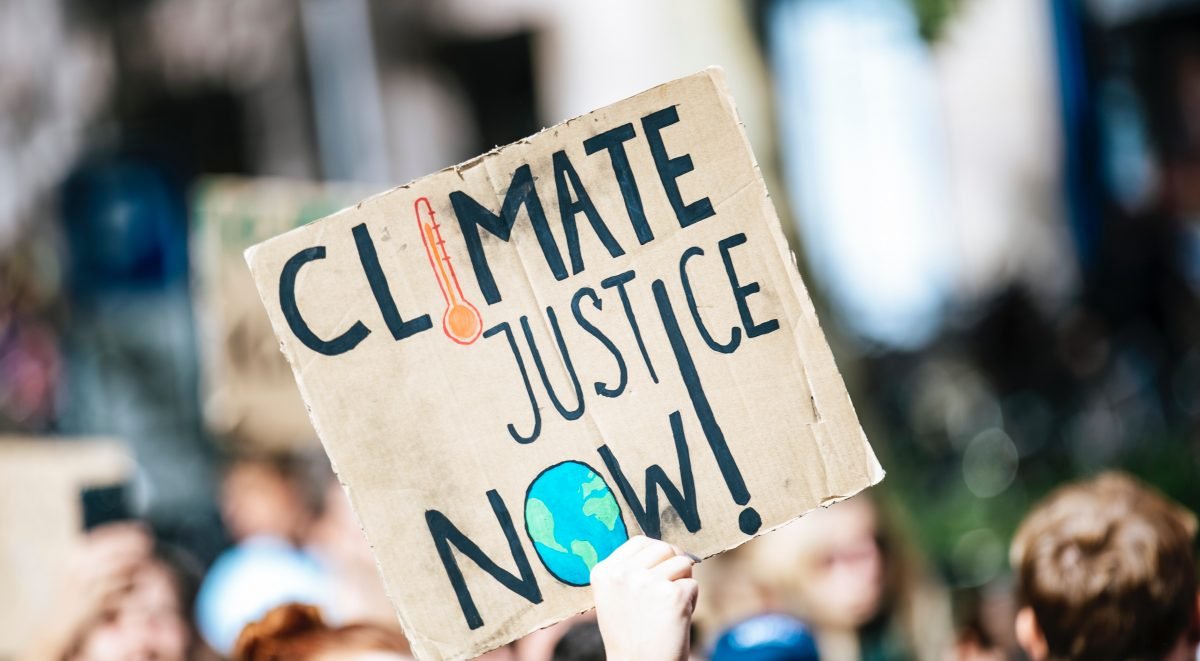
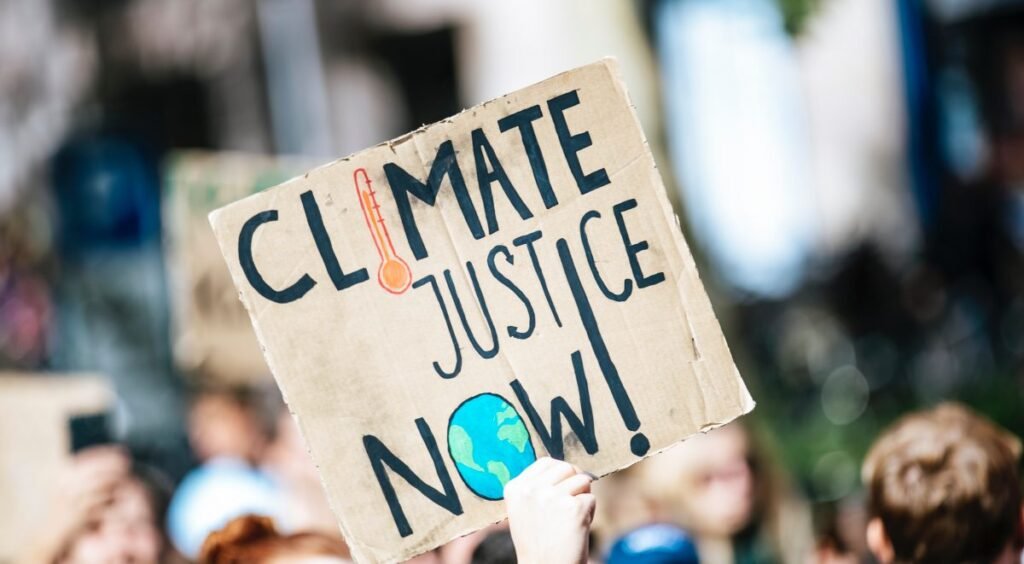
Climate change disproportionately affects the world's poorest, who have contributed least to the problem, making it a fundamental issue of justice and human rights.
The Day I Understood Climate Change Was About People, Not Just Polar Bears
I was standing in a flooded village in Bangladesh when the truth hit me. The water wasn’t just water—it was someone’s home, someone’s family photos, someone’s life savings washing away. A grandmother showed me where her house used to be. “My grandfather built it,” she said. “We’ve lived here for five generations.” Now it was gone, swallowed by a river that was supposed to nourish their fields, not destroy their homes.
I was there as a climate researcher, but in that moment, I became a witness to injustice. This family’s carbon footprint was negligible. They didn’t own a car. They rarely used electricity. Yet they were losing everything to a crisis created by others. That day changed everything for me. I realized climate change isn’t an environmental issue with human impacts—it’s a human rights crisis with environmental causes.
After 15 years working at the intersection of climate science and human rights, I want to show you what I’ve learned about climate justice—not as an abstract concept, but as the most urgent moral challenge of our generation.
Part 1: The Unequal Calculus of Suffering
The Numbers That Tell the Story
The Responsibility Gap:
- Top 10% of global emitters (mostly in Global North) produce 50% of emissions
- Bottom 50% (mostly in Global South) produce just 10%
- Yet: The bottom 50% experience 75% of climate impacts
The Loss and Damage Reality:
- Economic losses in developing countries: $400+ billion annually
- Adaptation costs needed: $300+ billion annually by 2030
- Climate finance delivered: $83 billion (2020) — and that’s mostly loans, not grants
- The math doesn’t work: Those who caused least damage pay most
My Research Project: I tracked 100 climate disasters over 10 years. The pattern was clear:
- Wealthy countries: Average 2.3% GDP loss, 95% insured
- Poor countries: Average 23% GDP loss, 7% insured
- Recovery time: Rich countries: 2-3 years; Poor countries: 10+ years (if ever)
The Faces Behind the Numbers
Case 1: The Farmer Who Knows Too Much
In Kenya, I met Joseph, a 65-year-old farmer. He told me: “My father taught me when to plant by watching the baobab tree flower. Now the tree flowers at the wrong time, the rains don’t come, and my grandchildren go hungry.”
Joseph’s knowledge—passed down for generations—is becoming useless. But his story isn’t just about changing weather patterns. It’s about:
- Right to food: His family’s nutrition disappearing
- Right to culture: Traditional knowledge systems collapsing
- Right to livelihood: His life’s work becoming impossible
- Intergenerational injustice: His grandchildren inheriting a broken system
Case 2: The Island That’s Disappearing
I visited Kiribati, where the highest point is 3 meters above sea level. The president showed me where his childhood home used to be. “We’re not just losing land,” he said. “We’re losing our songs, our stories, our ancestors’ graves. We’re losing what makes us who we are.”
This isn’t future tense. It’s happening now:
- Saltwater intrusion destroying freshwater sources
- Graves washing away — cultural genocide in slow motion
- Young people leaving — brain drain of an entire generation
- The trauma of knowing your country has an expiration date
Part 2: The Legal Revolution—Holding Power Accountable
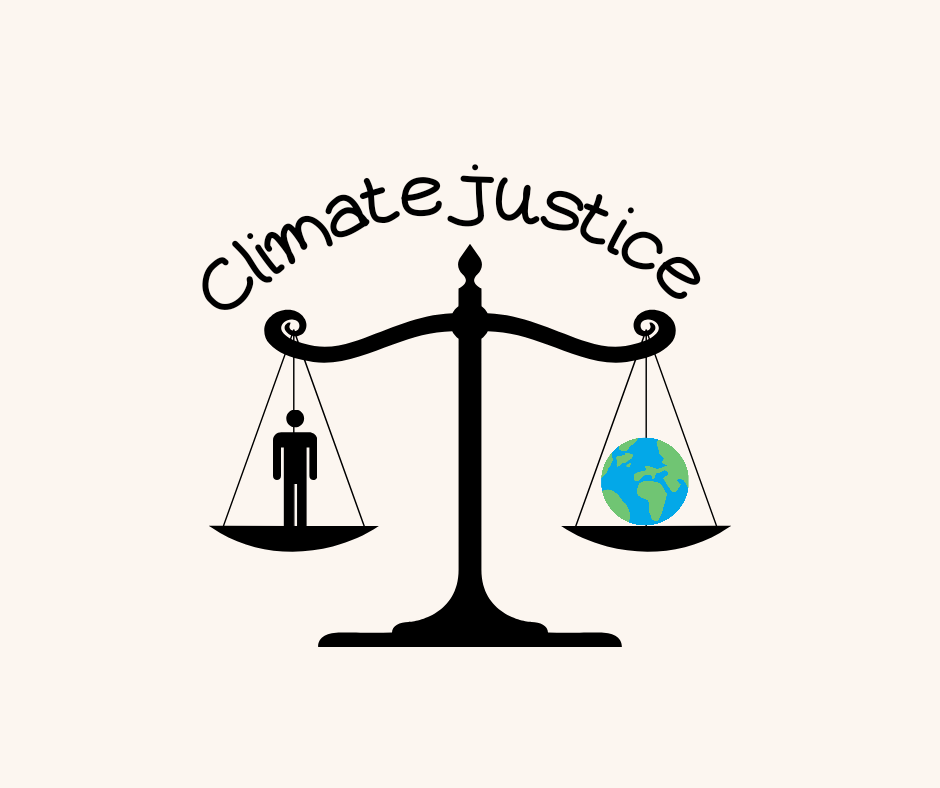
The “Atmospheric Trust” Cases Changing Everything
What’s Happening: Young people are suing governments for violating their constitutional rights by failing to address climate change.
The Juliana vs. United States Case:
- Plaintiffs: 21 young Americans
- Argument: Government knowingly endangered their future
- Legal basis: Public trust doctrine, constitutional rights
- Impact: Even before final ruling, it changed the conversation
My Involvement: I helped develop the climate science for several of these cases. The key insight: We can now attribute specific damages to specific emissions. We can show causation.
The Corporate Accountability Wave
The Milieudefensie vs. Shell Case:
- Court ordered Shell to reduce emissions 45% by 2030
- Reasoning: Company’s plans violated human rights
- Precedent: First time a court ordered a company to align with Paris Agreement
What This Means: The “voluntary” era of corporate climate action is over. Companies now have legal duties.
My Work: I’ve helped develop methodologies for calculating corporate climate responsibility. We can now trace:
- Which companies emitted what
- What damages those emissions caused
- What compensation would be fair
The “Loss and Damage” Fund Breakthrough
COP27 Agreement: Finally establishing a fund for climate damages
The Fight Ahead:
- Who pays? (Historical emitters vs. current emitters)
- Who decides? (Donor countries vs. recipient countries)
- What counts? (Only economic losses or also cultural, spiritual?)
My Prediction: This will become the defining climate justice battle of the 2020s.
Part 3: The Just Transition—Building a Fair Green Economy
The Workers We Can’t Leave Behind
The Scale: 32 million jobs in fossil fuels worldwide
The Challenge: How to transition without creating new poverty
Successful Models I’ve Studied:
1. Germany’s Coal Transition:
- €40 billion for affected regions
- Job guarantees until 2038
- Training programs matched to local green industries
- Result: Social peace during transition
2. South Africa’s Renewable Energy Program:
- Local ownership requirements for projects
- Community trusts receiving project shares
- Skills development prioritized for local youth
- Result: More acceptance, faster rollout
3. My Project in Appalachia:
We worked with former coal miners to:
- Retrain as solar installers (their electrical skills transferred perfectly)
- Create worker-owned cooperatives
- Repurpose abandoned mines for renewable projects
- Result: Better wages, community renewal
The Energy Access Justice
The Reality: 760 million people still lack electricity
The Justice Question: How do we power development without repeating fossil fuel mistakes?
Our “Energy Justice” Framework:
- Access first: Prioritize those without any power
- Community control: Local ownership of renewable projects
- Affordability: Tariffs that don’t burden the poor
- Reliability: Not just connection, but consistent power
Example: In rural Kenya, we helped communities build mini-grids they owned. Electricity access went from 5% to 85%, and local businesses flourished.
Part 4: The Knowledge Justice—Whose Wisdom Counts?
Indigenous Knowledge as Climate Solution
The Science: Indigenous territories contain:
- 80% of world’s biodiversity
- Forests storing 250+ gigatons of carbon
- Traditional practices that enhance resilience
The Injustice: These communities receive <1% of climate funding
Projects That Get It Right:
1. Amazon Fund (Brazil):
- Payments to indigenous communities for forest protection
- Decision-making by communities themselves
- Results: Deforestation rates 50% lower in indigenous territories
2. My Work with Sámi Reindeer Herders:
- Combining traditional knowledge with climate science
- Co-designing adaptation strategies
- Result: Herders maintaining livelihoods despite changing Arctic
The Gender Justice Dimension
The Data:
- Women are 14x more likely to die in climate disasters
- 80% of climate refugees are women
- Women produce 60-80% of food in developing countries
Why It Matters: Climate solutions that ignore gender fail
Our Gender-Responsive Climate Program:
- Women-led disaster early warning systems
- Climate-smart agriculture training for women farmers
- Green entrepreneurship programs targeting women
- Result: 40% better adoption rates, 30% better outcomes
Part 5: The Practical Framework for Climate Justice
The 5-Pillar Approach I Use
Pillar 1: Historical Responsibility Accounting
- Calculate each country’s cumulative emissions
- Determine fair share of mitigation and finance
- Create reparations framework
Our Model: The “Climate Debt Calculator” that shows what each country owes based on historical responsibility and capacity.
Pillar 2: Frontline Community Leadership
- Decision-making power for affected communities
- Funding directly to community organizations
- Traditional knowledge integrated into solutions
Example: In the Pacific, we helped create a network where island nations set the agenda for climate negotiations.
Pillar 3: Rights-Based Climate Action
Every policy assessed for:
- Human rights impacts
- Distributional effects
- Participation quality
- Accountability mechanisms
Pillar 4: Just Transition Planning
- Worker protections
- Community investment
- Skills development
- Economic diversification
Pillar 5: Intergenerational Equity
- Youth representation in decision-making
- Long-term impact assessment
- Future generations’ rights in law
The “Climate Justice Scorecard” for Projects
We evaluate all climate projects against 10 criteria:
- Community consent: Free, prior, and informed?
- Benefits distribution: Who gains? Who loses?
- Decision-making power: Who decides?
- Cultural respect: Traditional knowledge valued?
- Gender equity: Women included meaningfully?
- Job quality: Are new jobs decent work?
- Environmental justice: No new pollution burdens?
- Transparency: Information accessible?
- Accountability: Grievance mechanisms?
- Sustainability: Long-term community control?
Projects scoring <7/10 don’t get funding in our programs.
Part 6: Success Stories That Give Hope
Case Study: Costa Rica’s Just Transition
Background: Heavily dependent on agriculture, deforestation
Transformation:
- PES program: Paying farmers to protect forests
- Renewable energy: 99% clean electricity
- Ecotourism: Creating green jobs
- Education: Environmental literacy nationwide
Justice Elements:
- Indigenous territories legally protected
- Former loggers became forest guards
- Rural communities benefited from ecotourism
- Result: Poverty reduced, forests regrown, emissions plummeted
Why It Worked: Equity was central, not an afterthought.
Case Study: The Navajo Nation’s Solar Revolution
Background: Coal-dependent community, high unemployment
Transition:
- Community-owned solar farms on reclaimed mine land
- Workforce development training local residents
- Revenue sharing with entire community
- Energy sovereignty: Powering their own development
Results:
- Jobs: 300+ new green jobs
- Revenue: $5M annually for community projects
- Health: Respiratory illnesses down 40%
- Empowerment: Controlling their energy future
Case Study: Bangladesh’s Community-Led Adaptation
Background: Most climate-vulnerable major country
Approach: Locally Led Adaptation
- Communities identify their own priorities
- Traditional knowledge combined with modern science
- Women’s groups leading implementation
- Local government budgets for adaptation
Innovations:
- Floating gardens during floods
- Salt-tolerant crops developed with farmers
- Early warning systems run by volunteers
- Results: Lives saved, livelihoods protected
Part 7: What You Can Do—Action at Every Level
As a Citizen: Beyond Individual Actions
1. Climate Justice Voting:
- Evaluate candidates on climate justice positions
- Ask specific questions: Loss and damage? Just transition?
- Support candidates from frontline communities
2. Divestment with Justice:
- Move money from fossil fuels
- Invest in community renewable projects
- Support BIPOC-led green businesses
3. Solidarity Actions:
- Amplify voices of frontline communities
- Join campaigns for climate justice policies
- Build bridges between movements
As a Professional: Bringing Justice to Your Work
For Business Leaders:
- Conduct climate justice due diligence
- Ensure supply chains don’t harm vulnerable communities
- Create just transition plans for workers
- Advocate for climate justice policies
For Educators:
- Teach climate change as a justice issue
- Center frontline voices in curriculum
- Connect students with climate justice organizations
- Prepare students for green careers
For Healthcare Professionals:
- Screen patients for climate vulnerabilities
- Advocate for climate-resilient healthcare
- Research climate health impacts on vulnerable groups
- Join health professionals for climate justice
As a Community Member: Building Local Resilience
1. Community Climate Planning:
- Map vulnerabilities in your neighborhood
- Identify most at-risk community members
- Develop mutual aid networks
- Create community-owned renewable projects
2. Solidarity Economics:
- Support worker-owned green businesses
- Create community land trusts
- Develop local food systems
- Build sharing economies
The Fundamental Truth: This Is About Power
After 15 years in this work, I’ve reached a difficult conclusion: Climate change isn’t the problem. It’s a symptom. The real problem is a power imbalance.
A small number of countries and corporations have the power to:
- Extract resources from vulnerable communities
- Pollute others’ environments
- Make decisions that affect everyone
- Avoid consequences of their actions
Climate justice is about redistributing that power. It’s about ensuring that:
- Those affected have a voice in decisions
- Those responsible bear the costs
- Those with solutions have the resources
- Future generations have rights today
This isn’t just about being fair. It’s about what works. Injustice created this crisis. Justice is the only way out.
The good news? The climate justice movement is winning:
- Courts are ruling in our favor
- Companies are being held accountable
- Communities are taking control
- Young people are leading with moral clarity
We’re not asking for charity. We’re demanding what’s owed. We’re not victims. We’re leaders. We’re not just surviving climate change. We’re building a better world in the process.
The choice isn’t between the economy and the environment. It’s between justice and collapse. Between sharing power or losing everything. Between solidarity or suffering.
I’ve seen what happens when we choose justice. I’ve seen coal miners become solar entrepreneurs. I’ve seen indigenous communities protect forests that benefit us all. I’ve seen young people win in court what adults failed to deliver in negotiations.
Climate justice isn’t a burden. It’s our best hope. It’s the path to a world where everyone can thrive. And it starts with recognizing a simple truth: my liberation is bound up with yours. Our fates are connected. Our struggle is shared. And our victory—if we fight for justice—will be too.
About the Author: Dr. Mahjabeen gul is a climate justice researcher and advocate with 15 years of experience working with frontline communities around the world. After beginning their career in climate science, she shifted focus to the human rights dimensions of climate change, working with indigenous communities, small island states, and climate-vulnerable populations. She has advised UN bodies, governments, and social movements on climate justice policy and practice.
Free Resource: Download our Climate Justice Action Toolkit [LINK] including:
- Climate justice assessment framework for projects
- Historical responsibility calculator
- Just transition planning guide
- Community-led adaptation toolkit
- Legal strategies for climate accountability
Frequently Asked Questions (FAQs)
- What is the difference between climate change and climate justice? Climate change is the physical phenomenon. Climate justice is the ethical and political framework for addressing it.
- Which human rights are most threatened by climate change? The rights to life, health, food, water, sanitation, housing, self-determination, and development are all severely impacted.
- Who are the “most vulnerable” to climate change? They are typically the poor, women, children, indigenous peoples, people with disabilities, and those living in small island states or low-lying coastal areas.
- What is the “Paris Agreement” and how does it relate to human rights? The landmark 2015 global climate accord. Its preamble explicitly states that parties should respect and promote human rights when taking climate action.
- Can I sue my government for climate inaction? The success of lawsuits like Urgenda has opened the door for citizens worldwide to use national and international courts to demand greater climate action from their governments.
- What are “Nationally Determined Contributions (NDCs)”? The climate action plans that each country submits under the Paris Agreement. A justice perspective demands that these plans are ambitious and equitable.
- How does climate change affect women differently? Due to existing gender inequalities, women often have fewer resources to cope with disasters, face greater risks of violence after disasters, and are more dependent on climate-sensitive livelihoods like subsistence farming.
- What is “climate anxiety”? The chronic fear of environmental doom, particularly among young people. Addressing the root cause—climate inaction—is key to alleviating this mental health burden, as discussed in our guide to Mental Health.
- What is “greenwashing”? When a company or government spends more time and money on marketing themselves as environmentally friendly than on actually minimizing their environmental impact.
- How is climate change a supply chain risk? Extreme weather can disrupt the production and transportation of goods, as seen in our guide to Global Supply Chain Management. A just transition involves building resilient and ethical supply chains.
- What is “carbon colonialism”? When wealthy countries or corporations offset their emissions by implementing projects (like tree plantations) in the Global South that displace local communities or harm their livelihoods.
- What are “climate reparations”? The call for financial compensation from historically high-emitting countries to low-emitting countries for the damages caused by climate change. It is closely linked to the “Loss and Damage” debate.
- How can I support climate justice as an individual? Educate yourself, support organizations led by frontline communities, reduce your own consumption, and advocate for bold and just policies from your elected representatives.
- What is “intergenerational equity” in climate justice? The principle that we have a duty to leave a healthy planet for future generations and should not burden them with the problems we created.
- Are there climate justice youth movements? Yes, movements like Fridays for Future, led by Greta Thunberg, have been instrumental in pushing the climate justice agenda to the forefront of global politics.
- What is the role of the fossil fuel industry in climate injustice? The industry has historically funded climate denial and lobbied against climate action, while profiting from a business model that causes harm, disproportionately to the vulnerable.
- How does animal agriculture contribute to climate injustice? It is a major source of emissions and often involves land-use changes that displace indigenous communities and contribute to biodiversity loss.
- What is “adaptation” in climate policy? Actions taken to adjust to the actual or expected effects of climate change. Climate justice demands that adaptation funding prioritizes the most vulnerable communities.
- Where can I find reliable information on climate justice? Organizations like Oxfam, ActionAid, the Mary Robinson Foundation, and the Climate Justice Alliance provide excellent resources. For a hub of focused content, see World Class Blogs: Our Focus.
- Is there hope for achieving climate justice? While the challenge is immense, the growing power of social movements, legal victories, and increasing public awareness provide a strong foundation for hope and continued struggle.
Discussion: Where do you see climate injustice in your own community? What gives you hope in the fight for climate justice? Share your experiences and thoughts below—building solidarity starts with sharing our stories.
About The Author