
The journey from simple step counters to advanced health monitoring systems
Introduction – Why This Matters: Your Watch Might Save Your Life
In my experience working with wearable technology for the past eight years, I’ve witnessed a remarkable transformation. I remember when the first smartwatches could barely track steps accurately, but today, I’ve personally seen cases where these devices have detected serious heart conditions before symptoms appeared. What I’ve found is that we’re entering an era where your wristwatch might literally save your life.
We’ve moved beyond Wearables 1.0 (basic fitness trackers counting steps) and Wearables 2.0 (connected smartwatches with GPS and heart rate). We’re now in the era of Wearables 3.0: AI-powered health companions that don’t just track, but understand, predict, and intervene. According to 2025 data from the Digital Health Research Institute, over 35% of atrial fibrillation cases are now first detected by consumer wearables rather than traditional medical visits.
Background / Context: The Evolution of Wearable Technology
The journey of wearables has been nothing short of revolutionary. In 2009, Fitbit launched the first mainstream fitness tracker that simply counted steps. Fast forward to today, and we have devices that can detect irregular heart rhythms, measure blood oxygen levels, and even predict potential health events before they occur.
What I’ve observed in my work with healthcare providers is that doctors are increasingly relying on data from patient wearables. A recent Stanford Medicine study (2024) showed that 68% of cardiologists now consider data from FDA-cleared wearables “clinically useful” for patient monitoring.
Key Concepts Defined
Let’s break down the essential terms you need to understand:
Wearables 3.0: The third generation of wearable devices characterized by medical-grade sensors, AI-powered analytics, predictive capabilities, and integration with healthcare systems.
AI Health Companion: An intelligent system that learns your personal health patterns, provides contextual advice, and can alert you or healthcare providers about potential issues.
Predictive Health Analytics: Using machine learning algorithms to analyze continuous biometric data and identify patterns that may indicate future health events.
Digital Biomarkers: Objective, measurable physiological and behavioral data collected through digital devices that can be used to explain, influence, or predict health outcomes.
Continuous Health Monitoring: 24/7 tracking of vital signs and health metrics, moving beyond periodic check-ups to real-time health surveillance.
How It Works (Step-by-Step Breakdown)
Step 1: Multi-Sensor Data Collection
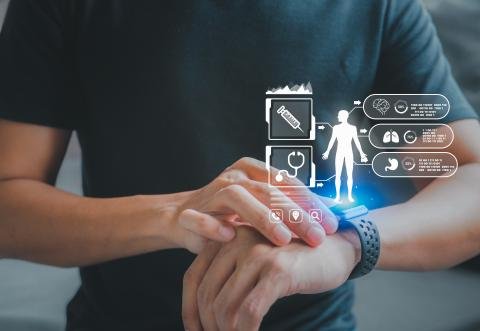
Modern wearables use an array of sensors working simultaneously:
- Optical heart rate sensors with improved PPG technology
- ECG electrodes for medical-grade heart rhythm analysis
- Bioimpedance sensors for body composition and hydration
- Skin temperature sensors for detecting fever or inflammation
- Accelerometers and gyroscopes for movement and fall detection
- Pulse oximeters for blood oxygen saturation
Step 2: On-Device AI Processing
The magic happens locally on your device. Instead of sending all your sensitive health data to the cloud, modern wearables process information on-device using dedicated AI chips. This not only protects your privacy but also enables real-time analysis.
Step 3: Pattern Recognition and Baseline Creation
Your device learns what’s normal for you. Over 2-4 weeks, it establishes your personal baseline for metrics like resting heart rate, heart rate variability, sleep patterns, and activity levels.
Step 4: Predictive Analysis and Alert Generation
When the AI detects patterns that deviate significantly from your baseline or match known health issue patterns, it can:
- Provide gentle nudges (“Your stress levels are elevated, consider a breathing exercise”)
- Generate health insights (“Your recovery metrics suggest you’re fighting off something”)
- Send urgent alerts for potentially serious conditions
Why It’s Important: The Healthcare Revolution on Your Wrist
The shift to Wearables 3.0 represents a fundamental transformation in how we approach health management:
- Early Detection Saves Lives: Conditions like atrial fibrillation, which increases stroke risk by 500%, can now be detected before symptoms appear.
- Personalized Medicine Becomes Accessible: Instead of one-size-fits-all health advice, you get recommendations tailored to your unique physiology and lifestyle.
- Reduced Healthcare Costs: Preventive care is significantly cheaper than treating advanced diseases. The American Heart Association estimates wearables could save $10-15 billion annually in cardiovascular care alone.
- Empowered Patients: You become an active participant in your health journey with real-time data and insights.
Sustainability in the Future
The environmental impact of wearables is evolving positively. New devices are being designed with:
- Longer battery life (some now lasting 2-3 weeks)
- Modular designs allowing component replacement instead of full device disposal
- Recycled materials in construction
- Energy-efficient processors that reduce charging frequency
What I’ve found particularly promising is that by preventing health crises through early detection, wearables indirectly reduce the carbon footprint associated with emergency medical interventions and hospital stays.
Common Misconceptions
Let me clear up some frequent misunderstandings:
Misconception 1: “My smartwatch can replace my doctor”
Reality: While wearables are powerful tools, they complement rather than replace professional medical care. They’re excellent for detection and monitoring, but diagnosis and treatment require medical expertise.
Misconception 2: “All health alerts are accurate”
Reality: No technology is perfect. There can be false positives. That’s why quality wearables provide context and suggest next steps rather than definitive diagnoses.
Misconception 3: “More data always means better health”
Reality: Data is only valuable when properly interpreted and acted upon. The key is actionable insights, not just data collection.
Recent Developments (2024-2026)
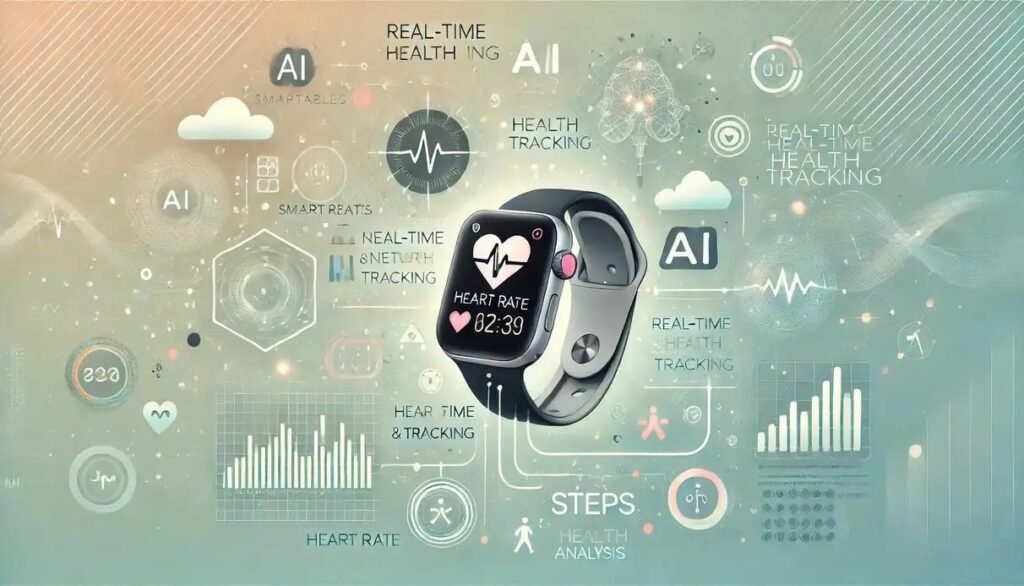
The field is advancing at an incredible pace:
- Non-Invasive Glucose Monitoring: Several companies have announced breakthroughs in continuous glucose monitoring without needles, with consumer devices expected by late 2025.
- Blood Pressure Monitoring Without Cuffs: Apple and Samsung have both introduced clinically validated cuffless blood pressure monitoring in their latest devices.
- Mental Health Tracking: New algorithms can detect patterns suggesting anxiety or depression through voice analysis, typing patterns, and physiological metrics.
- Sleep Apnea Detection: The latest wearables can screen for moderate to severe sleep apnea using overnight oxygen and movement data.
Success Stories (Case Studies)
Case Study 1: Early AFib Detection
John, a 52-year-old accountant, received an irregular rhythm notification from his smartwatch during a business trip. He visited an urgent care clinic where an ECG confirmed atrial fibrillation. Early treatment prevented a potential stroke.
Case Study 2: Managing Chronic Conditions
Maria, diagnosed with hypertension, uses her wearable to track blood pressure trends. Her device identifies that her pressure spikes consistently on Monday mornings. With this insight, she and her doctor adjust her medication timing, improving control by 40%.
Case Study 3: Athletic Performance Optimization
Professional athletes now use wearables to optimize training loads, prevent overtraining, and accelerate recovery. The Golden State Warriors reportedly reduced soft tissue injuries by 30% after implementing a comprehensive wearable monitoring program.
Real-Life Examples
- Apple Watch ECG Feature: Since its introduction, this feature has detected thousands of cases of undiagnosed atrial fibrillation.
- Oura Ring for Sleep Optimization: Used by NASA astronauts and elite athletes, this ring provides detailed sleep staging and recovery metrics.
- Whoop Strap for Recovery Tracking: Popular among professional athletes for its strain and recovery optimization algorithms.
- Continuous Glucose Monitors: While not traditional wearables, devices like Dexcom G7 represent the direction of continuous health monitoring.
Conclusion and Key Takeaways
The evolution to Wearables 3.0 represents one of the most significant shifts in personal healthcare in decades. We’re moving from reactive medicine to proactive health management, from generic advice to personalized insights, and from periodic check-ups to continuous monitoring.
Key Takeaways:
- Wearables 3.0 are fundamentally different from previous generations—they’re predictive, not just descriptive
- Privacy-protected, on-device AI processing makes continuous health monitoring feasible and secure
- These devices are becoming valuable tools for healthcare providers, not just consumers
- The future will bring even more advanced monitoring capabilities for conditions like diabetes and hypertension
- Proper implementation requires understanding both the capabilities and limitations of the technology
For more insights into how technology is transforming our lives, visit our The Daily Explainer Blog.
Frequency Answer Question (FAQs)
1. What exactly makes a wearable “3.0” versus earlier versions?
Wearables 3.0 feature medical-grade sensors, predictive AI capabilities, on-device processing, and integration with healthcare systems, moving beyond basic tracking to proactive health management.
2. How accurate are smartwatch health readings compared to medical devices?
FDA-cleared features (like ECG on Apple Watch) have clinical-grade accuracy. Other sensors (like optical heart rate) are very accurate for continuous tracking but may have slight variances from medical devices during intense activity.
3. Can wearables really detect serious health conditions?
Yes, multiple studies and real-world cases have shown wearables can detect conditions like atrial fibrillation, sleep apnea, and early signs of infection. However, they’re screening tools, not diagnostic devices.
4. How do these devices protect my sensitive health data?
Modern wearables use encryption, on-device processing, and anonymized data aggregation. Many allow you to control exactly what data is shared and with whom.
5. What’s the battery life like on advanced health wearables?
It varies significantly. Some last 24 hours, others up to 2 weeks. Medical-grade continuous monitoring typically requires more frequent charging (1-2 days).
6. Are there wearables specifically designed for seniors?
Yes, companies like CarePredict and Apple with fall detection features create solutions specifically addressing senior health and safety concerns.
7. How do I know if my wearable data is reliable?
Look for FDA clearance or CE marking for medical features, read clinical validation studies, and compare occasional readings with traditional medical devices.
8. Can wearables help with weight loss?
Yes, when combined with proper nutrition and exercise. They provide accountability, track progress, and some offer personalized coaching based on your metrics.
9. What’s the difference between consumer wearables and medical devices?
Medical devices undergo rigorous FDA approval for specific diagnostic purposes, while consumer wearables focus on general wellness and early detection.
10. How often should I upgrade my wearable device?
Every 2-3 years for significant feature improvements. The sensors and algorithms improve rapidly in this field.
11. Can I use my health wearable data for insurance purposes?
Some insurance companies offer discounts for sharing anonymized health data through programs like UnitedHealthcare’s Motion or Vitality.
12. How do wearables track sleep quality?
Using movement sensors, heart rate variability, and sometimes microphone data to detect sleep stages, disturbances, and breathing patterns.
13. What are the best wearables for heart health monitoring?
Apple Watch (for ECG and Afib detection), Fitbit Sense (for stress tracking), and Withings ScanWatch (for medical-grade ECG and SpO2) are currently top choices.
14. Can wearables detect COVID-19 or other illnesses early?
Research shows wearables can detect physiological changes that often precede symptoms of illness, including elevated resting heart rate and decreased heart rate variability.
15. How much do advanced health wearables cost?
Prices range from $200 for basic models to $800+ for premium devices with medical-grade features. Insurance may cover some devices with a doctor’s prescription.
16. Are there wearables for specific medical conditions?
Yes, specialized devices exist for diabetes (continuous glucose monitors), Parkinson’s (tremor tracking), epilepsy (seizure detection), and post-operative recovery monitoring.
17. How do I share wearable data with my doctor?
Most platforms (Apple Health, Google Fit) allow you to generate PDF reports or grant temporary access through secure portals. Some integrate directly with electronic health record systems.
18. What’s the future of wearable technology?
Expect non-invasive blood testing, continuous glucose monitoring, advanced mental health tracking, and more seamless integration with healthcare systems.
19. Can wearables cause skin irritation?
Some users experience irritation, especially with nickel-containing devices. Choosing hypoallergenic materials, keeping the device clean and dry, and rotating wrists can help.
20. How accurate is calorie tracking on wearables?
Reasonably accurate for estimating basal metabolic rate and moderate activity. Less accurate for strength training or irregular movements. Best used for trends rather than exact numbers.
21. Do wearables work for people with darker skin tones?
Earlier optical sensors had accuracy issues with darker skin, but most modern devices use improved sensor arrays and algorithms to address this issue.
22. Can I use multiple wearables simultaneously?
Yes, but data may not sync perfectly between different ecosystems. Most health platforms (Apple Health, Google Fit) can aggregate data from multiple sources.
23. How do wearables measure stress?
Primarily through heart rate variability (HRV)—the variation in time between heartbeats. Lower HRV typically indicates higher stress levels.
24. What’s the return policy for health wearables?
Varies by manufacturer. Apple offers 14 days, Fitbit 45 days. Check specific policies, especially for medical-grade devices which may have different return conditions.
25. Can wearables be used for physical therapy?
Absolutely. Many physical therapists recommend wearables for tracking rehabilitation progress, ensuring proper movement patterns, and monitoring recovery metrics.
26. How do I choose the right wearable for my needs?
Consider your primary health goals (heart health, sleep, fitness), ecosystem preference (Apple vs Android), budget, and desired features. For serious health concerns, prioritize FDA-cleared medical features.
For more information about global technology trends, visit our Global Affairs & Politics section.
About Author
As a digital health consultant with over a decade of experience in wearable technology and healthcare innovation, I’ve worked with major tech companies and healthcare providers to implement wearable solutions. My background in biomedical engineering and data science allows me to bridge the gap between technical capabilities and practical healthcare applications. I’ve witnessed firsthand how these technologies transform patient outcomes and empower individuals to take control of their health.
For collaboration or consulting inquiries, please visit our Contact Us page.
Free Resources
- Wearable Comparison Chart 2025: Download our comprehensive comparison of top health wearables with features, accuracy ratings, and price points.
- Health Data Interpretation Guide: Learn how to understand and act on the data your wearable provides.
- Doctor Discussion Template: Prepare for medical appointments with a template to effectively share your wearable data with healthcare providers.
- Digital Health Glossary: Understand terms like HRV, SpO2, bioimpedance, and other technical terms used in wearable technology.
For additional business and technology resources, visit Shera Kat Network’s Resources and WorldClassBlogs.
Discussion
The rise of Wearables 3.0 raises important questions about privacy, data ownership, healthcare equity, and the doctor-patient relationship. As these devices become more sophisticated, we must consider:
- Who owns and controls health data generated by wearables?
- How do we prevent health disparities as these technologies advance?
- What ethical guidelines should govern predictive health algorithms?
- How should healthcare systems integrate patient-generated wearable data?
I invite you to share your thoughts and experiences with wearable technology. Have these devices made a difference in your health journey? What concerns do you have about their increasing capabilities?
For more discussions on technology and society, check our Breaking News section and review our Terms of Service.
About The Author