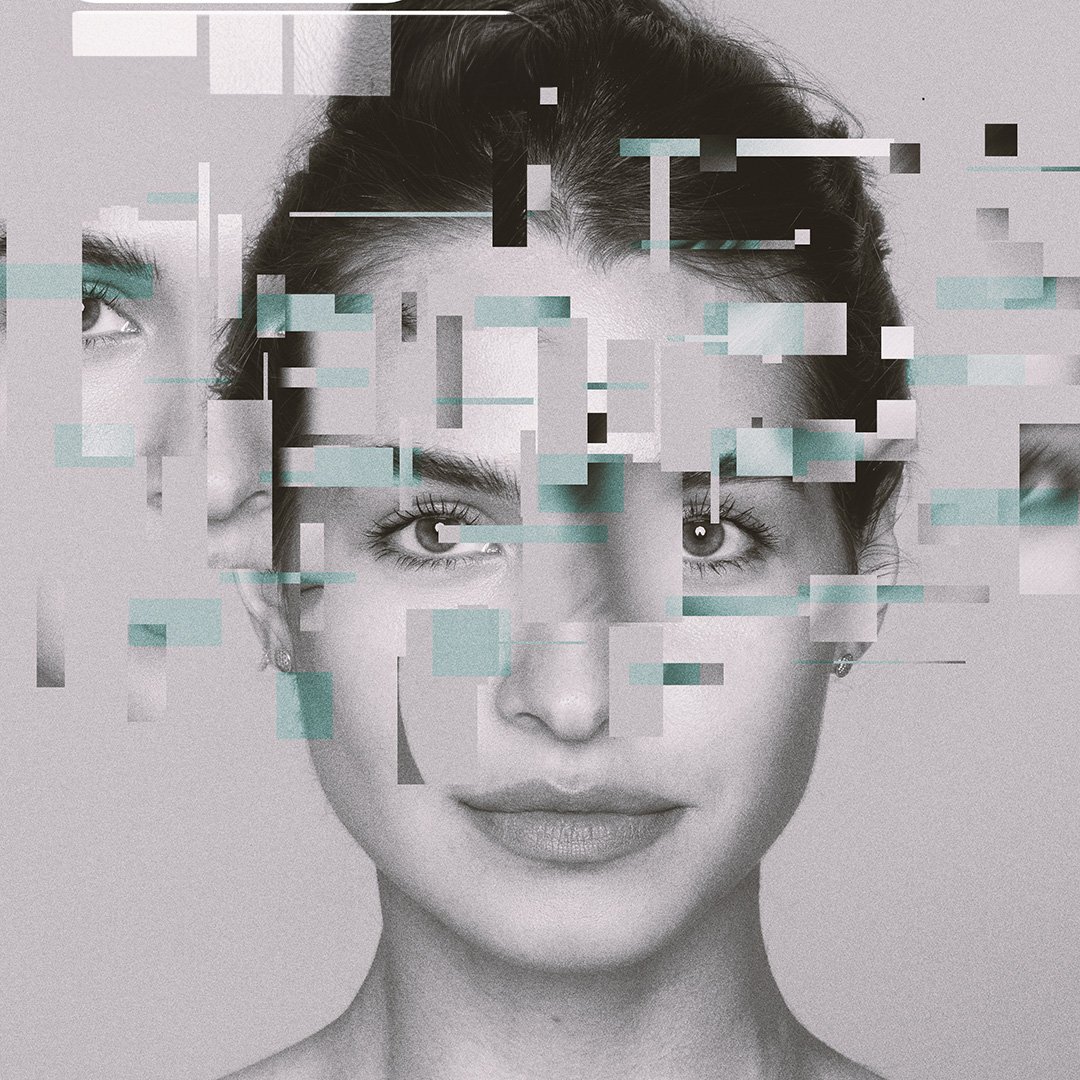
Lil Miquela, one of the first and most successful virtual influencers, showcasing the high-fashion brand collaborations that are central to her existence.
Introduction: The Pixelated Paragon
Scroll through your Instagram feed, and you might encounter a stunning travel blogger, a passionate climate activist, or a stylish fashion icon. They post selfies, share their thoughts, and partner with global brands. The catch? They are not human. They are Virtual Influencers—computer-generated characters with curated personalities, life stories, and massive online followings. This is not science fiction; it’s a rapidly growing segment of the creator economy and a disruptive force in media and entertainment. These digital beings are challenging our definitions of authenticity, creativity, and celebrity, posing profound questions for culture and society in the 21st century.
Why does this matter now? As AI and CGI technologies become more accessible and sophisticated, virtual personalities are moving from a marketing novelty to a viable business asset. They are no longer just cartoonish avatars but hyper-realistic “individuals” who can sing, model, and advocate, blurring the line between the real and the simulated and forcing us to re-evaluate the very nature of influence itself.
Background/Context: From Anime Avatars to Hyper-Realistic Humans
The concept of fictional celebrities isn’t new, but the technology and business model behind them have evolved dramatically.
- Precursors (1980s-2000s): Fictional pop stars like Japan’s Kyoko Date and the band Gorillaz demonstrated the appeal of animated personas. However, they were largely confined to music and lacked the interactive, “everyday” feel of social media.
- The Social Media Catalyst (2010s): The rise of Instagram and the creator economy created the perfect environment. The first true virtual influencer, Lil Miquela, launched in 2016. With her relatable posts and high-fashion collaborations, she proved that a CGI character could build a genuine community and drive commerce.
- The Proliferation (2020s-Present): Following Miquela’s success, a whole ecosystem of virtual humans has emerged, ranging from ultra-realistic models like Shudu Gram to anime-inspired characters and brand-specific ambassadors. The advent of the metaverse concept has further accelerated investment in this space.
Key Concepts Defined
- Virtual Influencer (VI): A computer-generated character, often with a realistic human appearance, designed and managed by a team or AI to build an audience and promote products or ideas on social media.
- CGI (Computer-Generated Imagery): The application of computer graphics to create or contribute to images in art, media, and video games. It is the primary technology used to create virtual influencers.
- Digital Human: A highly realistic, often AI-driven, 3D model of a human used for interaction, often in customer service or entertainment. Virtual influencers are a subset of digital humans.
- Uncanny Valley: A hypothesized relationship between the degree of an object’s resemblance to a human being and the emotional response to such an object. If a character is almost realistic, it can cause feelings of unease or revulsion.
- Metaverse: A hypothesized iteration of the internet as a single, universal, and immersive virtual world, facilitated by VR and AR headsets. Virtual influencers are seen as native guides and celebrities for this future digital space.
How It Works: The Creation and Management of a Digital Persona (A Step-by-Step Methodology)
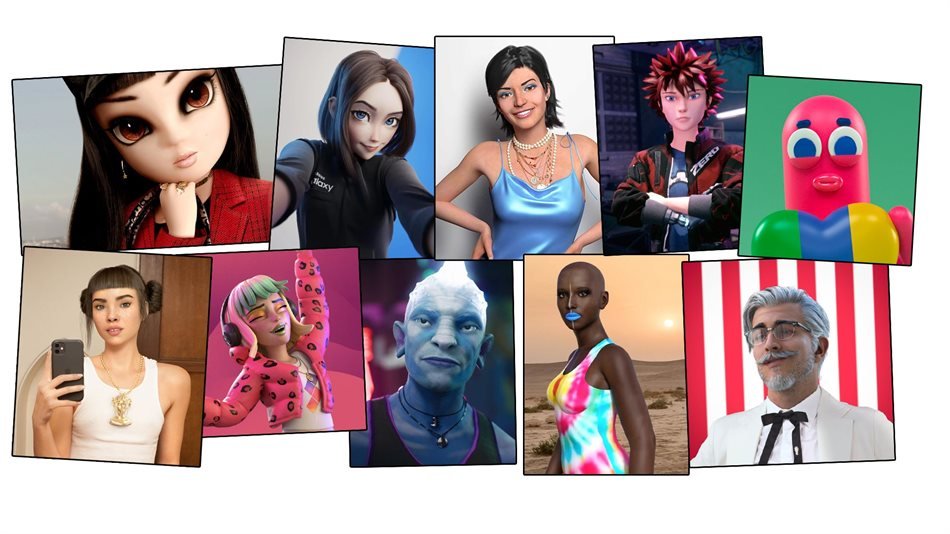
Building and maintaining a virtual influencer is a complex, multidisciplinary process far removed from the solo creator in the vinyl revival.
Step 1: Concept and Character Design
A team defines the influencer’s core identity: name, age, personality, backstory, values, and aesthetic. This foundational “lore” is crucial for maintaining consistency and building a believable persona.
Step 2: Digital Asset Creation
3D artists and designers use software like Maya, Blender, and ZBrush to model the character. This involves sculpting the body and face, creating realistic skin textures, hair, and clothing, and rigging the model with a digital skeleton for animation.
Step 3: Content Production Pipeline
This is where the “influencer” comes to life.
- Storyboarding: The team plans photoshoots and video concepts, just as for a human influencer.
- Scene Creation: Artists build or source digital environments or use green screens to composite the character into real-world settings.
- Posing and Animation: Animators pose the character frame-by-frame or use motion capture technology, where a human actor’s movements are translated onto the digital model for more natural motion.
Step 4: Personality and Voice
Writers craft captions and dialogue that align with the character’s established personality. For video content, voice actors are often hired. Advanced projects are beginning to integrate AI language models to generate more dynamic responses.
Step 5: Community Management and Strategy
A social media manager runs the accounts, posting content, responding to comments (often manually), and engaging with other accounts to grow the audience and secure brand partnerships, a process detailed in marketing resources on sites like Sherakat Network.
Why It’s Important: The Business and Societal Implications
The rise of virtual influencers has significant ramifications for marketing, culture, and human psychology.
- The Perfectly Controllable Ambassador: Brands have 100% control over a virtual influencer’s image, schedule, and behavior. There is no risk of a scandal, bad press, or the creator saying something off-brand. This makes them an incredibly safe and reliable marketing tool.
- 24/7 Global Operation: A virtual influencer is not constrained by time zones, physical location, or human needs like sleep. They can engage with a worldwide audience around the clock.
- Pushing Creative Boundaries: They can be placed in fantastical environments, perform impossible feats, and constantly change their appearance without the constraints of physics or biology, offering unique creative opportunities for advertisers.
- The Redefinition of “Authenticity”: This is the core paradox. Followers often form genuine emotional connections with these fictional entities, despite knowing they are not real. This challenges the traditional link between authenticity and human experience, suggesting that a consistent, well-crafted narrative can be just as compelling.
- Ethical and Psychological Concerns: The proliferation of hyper-realistic but fake humans could exacerbate issues of unrealistic beauty standards, blur the lines of trust for vulnerable audiences, and contribute to a broader erosion of shared reality.
Common Misconceptions and Public Observations
- Misconception: “It’s just a fancy cartoon.”
Reality: They are sophisticated digital assets backed by significant financial investment, business strategy, and technology, with a direct and measurable impact on the creator economy. - Observation: “This is so creepy; it will never work.”
Reality: While some characters fall into the “uncanny valley,” many have amassed millions of dedicated followers who actively engage with them, proving their commercial and cultural viability. - Misconception: “They are fully run by Artificial Intelligence.”
Reality: Currently, most are heavily managed by human teams. AI is used in specific areas (e.g., language generation, animation), but the overarching creative direction and strategy are human-driven. - Observation: “They are taking jobs away from human creators.”
Reality: They are creating new jobs in 3D modeling, animation, and character writing. However, they are competing for the same brand marketing budgets, potentially displacing human influencers in certain campaigns. - Misconception: “It’s a passing fad.”
Reality: With major brands like Balmain and BMW creating their own VIs, and the tech infrastructure for the metaverse being built, virtual influencers are likely a permanent feature of the future digital landscape.
Recent Developments, Case Studies, and Success Stories
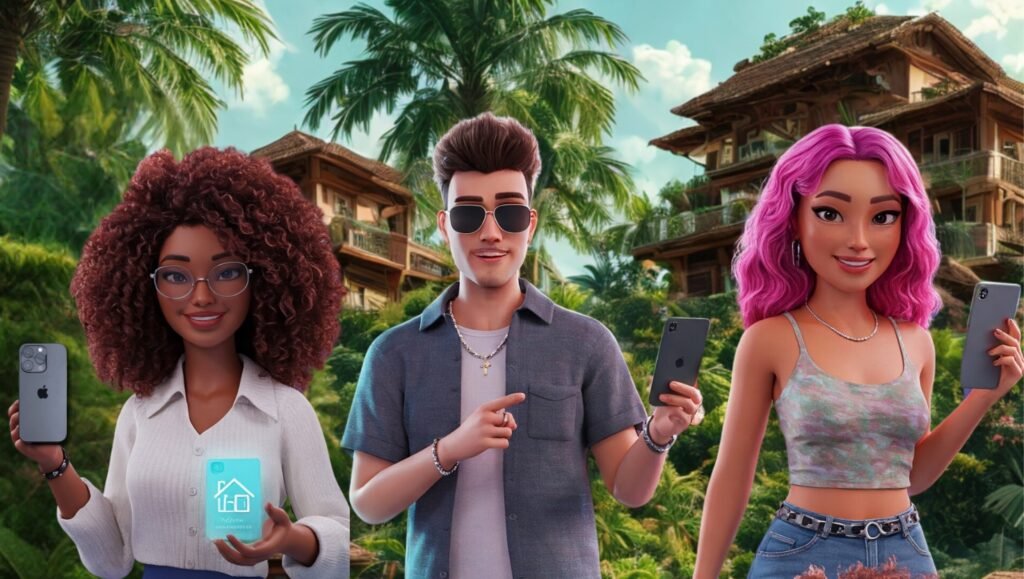
1. Lil Miquela: The Pioneer
The original virtual influencer, created by the company Brud.
- Methodology: Miquela was introduced as a 19-year-old robot living in Los Angeles, with a carefully crafted personality involving music, activism, and a fictional love life.
- Success Story: She has over 3 million Instagram followers and has collaborated with mega-brands like Prada, Calvin Klein, and Samsung. Her success paved the way for the entire industry and demonstrated the potent mix of storytelling and commercial appeal.
2. The Ethics of Hyper-realism: Shudu Gram
Shudu is a photorealistic virtual model created by a single photographer.
- Case Study: Shudu has been praised for her beauty and has worked with BMW and Balmain. However, she has also faced criticism for being a digital embodiment of a Black woman created by a white man, raising complex questions about appropriation and representation.
3. AI Integration: The Future is Here
Companies are now developing VIs powered by advanced AI.
- Development: VIs like Noonoouri are now releasing “AI-powered” music. This involves using AI-generated vocals and lyrics, pushing the boundary of what these entities can “create” autonomously.
- Implication: This points towards a future where virtual influencers can interact with fans in real-time via chatbots or in virtual spaces, making them more “independent” from their human creators.
4. Brand-Owned Avatars: The Corporate Takeover
Many companies are skipping collaborations and building their own virtual brand ambassadors. For example, Maëva, a virtual ambassador for French car brand Citroën, presents cars and embodies the brand’s “cool” aesthetic, a strategy that aligns with modern ecommerce personalization tactics.
Real-Life Examples and Information Sources
- Imma Gram: A Japanese virtual influencer known for her realistic pink bob haircut, promoting fashion, beauty, and lifestyle brands in Japan and globally.
- K/DA: A virtual K-Pop girl group from the game League of Legends, whose members are based on in-game characters. They have topped music charts, showing the model’s application in music.
- FN Meka: A controversial virtual rapper that was dropped by Capitol Records after widespread criticism for perpetuating stereotypes, serving as a cautionary tale about missteps in this new field.
- The Technology Stack: The creation of these beings relies on a global supply chain of software developers, cloud computing resources, and digital marketplaces for 3D assets, a topic often explored in tech-focused hubs like World Class Blogs.
Sustainability Framework for the Virtual Influencer Ecosystem
For virtual influencers to be a sustainable long-term phenomenon, several challenges must be addressed.
- Narrative Sustainability: A character’s story must evolve to remain relevant. Can a fictional persona age, learn, and change in ways that feel authentic to an audience over a decade or more? This requires long-term, sophisticated writing.
- Technological Sustainability: The cost and expertise required to produce high-quality content are significant. As the field becomes more competitive, the technological barrier to entry will rise, potentially centralizing power with well-funded studios.
- Economic Sustainability: The business model must prove itself beyond initial hype. Brands will need to see consistent ROI, and the entities behind VIs must manage them as long-term IP assets rather than short-term campaigns.
- Ethical and Social Sustainability: The industry must develop ethical guidelines concerning data privacy (if AI is used), transparency (clear disclosure of their artificial nature), and the psychological impact on young audiences, a serious mental health consideration.
- Environmental Sustainability: The energy consumption of rendering high-fidelity CGI and training AI models is substantial. The industry will need to account for its carbon footprint as it scales.
Conclusion & Key Takeaways
Virtual influencers are a fascinating and complex development at the intersection of technology, marketing, and art. They are a logical extension of a culture and society increasingly conducted online and mediated through screens.
Key Takeaways:
- Virtual influencers are a sophisticated marketing and entertainment tool, offering brands total control and limitless creative potential.
- Their success challenges traditional notions of authenticity, suggesting that a coherent narrative can be as compelling as a “real” human behind the screen.
- They are not a fad but a growing industry, fueled by advancements in CGI, AI, and the push towards the metaverse.
- Their rise presents significant ethical questions about reality, representation, and the future of human labor in the creative fields.
- The future will see greater integration of AI, making them more interactive and “autonomous,” further blurring the lines we use to define reality.
The evolution of digital personas is a key topic in modern media and entertainment. For more deep dives into how technology is transforming our world, visit our main blog page or explore other topics in our Culture & Society category.
Frequently Asked Questions (FAQs)
- Who creates virtual influencers?
They are created by a range of entities, from specialized studios (e.g., Brud) and advertising agencies to individual digital artists and large corporations for their own branding. - How do virtual influencers make money?
Primarily through the same means as human influencers: brand sponsorship deals, affiliate marketing, and selling digital or physical merchandise featuring their likeness. - Do people really believe they are real?
Most followers are aware they are CGI, but willingly suspend their disbelief to engage with the character and narrative, a concept known as “paradoxical authenticity.” - What is the difference between a virtual influencer and a vtuber?
VTubers (Virtual YouTubers) are real people who use a digital avatar as their on-screen persona. Virtual influencers are characters whose entire existence and personality are fabricated. - Can I create my own virtual influencer?
Yes, with sufficient skill in 3D modeling and animation, or the budget to hire those skills. The tools are becoming more accessible, but achieving a high level of quality is still challenging. - What are the biggest challenges in creating a VI?
The cost, achieving realism without entering the “uncanny valley,” developing a compelling and consistent personality, and building a genuine, engaged audience. - Are virtual influencers only on Instagram?
No, they have a presence on TikTok, YouTube, and Twitter, and are poised to become central figures in emerging metaverse platforms. - How much does it cost to hire a virtual influencer?
Costs can vary wildly, from a few thousand dollars for a micro-influencer to hundreds of thousands for a top-tier virtual celebrity like Lil Miquela for a major campaign. - What kind of brands work with virtual influencers?
Initially luxury fashion and tech, but now it spans across beauty, automotive, food, and beverage—any brand looking to project a futuristic or innovative image. - Can virtual influencers be used for education or social good?
Yes, there are virtual influencers focused on environmental activism, mental health awareness, and historical education, demonstrating the format’s versatility. - What legal rights do virtual influencers have?
They have no legal personhood. Their identity and image are Intellectual Property (IP) owned by their creators, who hold the copyrights and trademarks. - How is AI used in virtual influencers?
AI is used for generating realistic speech and lip-syncing, creating dynamic responses in chats, and even generating new image and video content. - Will virtual influencers replace human influencers?
Unlikely completely. Human influencers will likely remain dominant in areas where raw, unscripted authenticity is valued. The two will likely coexist, serving different marketing needs. - What happens when a virtual influencer “dies” or is retired?
Their story is concluded by their creators, or they simply stop posting. Their digital assets remain the property of the studio and could potentially be revived or sold. - How can you tell if an influencer is virtual?
Look for minor imperfections in physics (hair, skin), overly perfect symmetry, and a bio that may hint at a fictional origin story. However, the best are becoming very hard to distinguish. - What is the environmental impact of virtual influencers?
The energy required for rendering high-quality CGI and running powerful AI models has a carbon footprint, an often-overlooked aspect of their sustainability. - Can virtual influencers fall in love or have relationships?
Within their fictional storylines, yes. This is a common narrative device used to create drama and engagement, much like in a soap opera. - Are there virtual pet influencers?
Yes, the concept extends to animals. There are popular CGI pets and animated characters that function as influencers, promoting pet products and brands. - How do they try to appear more “real”?
By posting “candid” behind-the-scenes content, sharing “personal” struggles, interacting with real-world events and human influencers, and showing imperfections. - What is the future of virtual influencers?
They will become more interactive through AI, likely becoming guides and companions in the metaverse, and may eventually be capable of creating their own content with minimal human input. - Do they contribute to unrealistic beauty standards?
Yes, this is a major criticism. As digitally perfected beings, they can set impossible standards for human appearance, potentially impacting followers’ mental health and self-image. - Could a virtual influencer run for political office?
While theoretically possible from a narrative standpoint, legal and ethical barriers make this highly improbable in the foreseeable future. However, they could be used to promote political messages and ideologies.
About The Author