The holistic, multi-stage protocol of modern psychedelic-assisted therapy.
Introduction – Why This Matters
We stand at the precipice of a paradigm shift in mental healthcare. After a decades-long prohibitionist freeze, a new Psychedelic Renaissance is flourishing, propelled not by counterculture rebellion but by rigorous, gold-standard clinical science. This movement centers on psychedelic-assisted therapy (PAT)—a structured treatment model combining the careful, time-limited administration of a psychedelic substance with preparatory and integrative psychotherapy. The implications are staggering for the hundreds of millions worldwide for whom conventional treatments have failed.
In my experience, covering this field as a science journalist and speaking with both pioneering researchers and individuals who have undergone these therapies, the stories are not just about symptom reduction; they are often described as existential reorientations. What I’ve found is that the data, now pouring out of institutions like Johns Hopkins, Imperial College London, and MAPS, is catching up to these profound anecdotal reports. A landmark 2025 review in The New England Journal of Medicine stated that for Treatment-Resistant Depression (TRD) and Post-Traumatic Stress Disorder (PTSD), certain PAT protocols demonstrate “effect sizes exceeding those of any currently available pharmacological intervention.” We are not talking about mild improvements. We are talking about single or several-dose treatments that, in trials, have put over 50% of participants with severe, chronic PTSD into remission—a condition often deemed untreatable.
This article is your definitive, nuanced guide. We will move beyond sensationalist headlines to explore the intricate science, the delicate therapeutic container of “set and setting,” the distinct profiles of leading compounds, the very real risks, and the complex path from clinical trial to clinic. This is for the curious beginner, the skeptical professional, and anyone yearning for a deeper understanding of what may be the most significant development in psychiatry since the discovery of antidepressants.
Background / Context: From Ancient Ritual to Prohibition to Renaissance
The human relationship with psychedelic substances is ancient, woven into the spiritual and healing practices of indigenous cultures for millennia, using plants like psilocybin mushrooms (teonanácatl), peyote, and ayahuasca. Modern Western interest began in the mid-20th century with the discovery of LSD’s psychoactive properties in 1943. The 1950s and 1960s saw a burst of promising psychiatric research, with over 1,000 clinical papers published on LSD for conditions including alcoholism, end-of-life anxiety, and depression.
This research was effectively terminated by the Controlled Substances Act of 1970, which placed most psychedelics in Schedule I, defined as having “no currently accepted medical use and a high potential for abuse.” The cultural wars of the 1960s, fear, and political expediency overshadowed the scientific evidence, casting a long shadow of stigma that persists today.
The Renaissance began quietly in the late 1990s and early 2000s, thanks to a courageous few. Dr. Rick Strassman’s DMT research, Dr. Roland Griffiths’ psilocybin studies at Johns Hopkins on mystical experiences, and the Multidisciplinary Association for Psychedelic Studies (MAPS), founded by Rick Doblin in 1986, kept the embers alive. Their work, characterized by meticulous design, ethical rigor, and a focus on safety, provided the template for the new wave of research. The catalyst for the current boom has been a series of Phase 2 and Phase 3 clinical trials with results so compelling that they have forced regulators, investors, and the medical establishment to pay attention.
Key Concepts Defined
- Psychedelic-Assisted Therapy (PAT): A treatment model that involves the administration of a psychedelic substance within a structured psychotherapeutic framework. The compound is a catalyst, not the treatment itself; the therapy before (preparation) and after (integration) is essential.
- Classic Psychedelics (Serotonergic): Substances that primarily agonize the 5-HT2A serotonin receptor, leading to profound alterations in perception, cognition, and emotion. Examples: psilocybin (found in “magic mushrooms”), LSD, DMT (in ayahuasca), and mescaline (in peyote).
- Empathogen/Entactogen: A class typified by MDMA (3,4-methylenedioxymethamphetamine). It primarily releases serotonin, dopamine, and norepinephrine and reduces activity in the amygdala (fear center), creating a state of emotional openness, empathy, and reduced defensiveness without the classic visual hallucinations.
- Dissociative Anesthetic: Ketamine, an NMDA receptor antagonist, is distinct. It induces a dissociative state, has rapid antidepressant effects, and is the only psychedelic-like compound currently legally available for off-label psychiatric use in many countries.
- Set and Setting: The foundational principle of safety and efficacy in PAT. “Set” refers to the individual’s mindset, intention, personality, and preparation. “Setting” is the physical, social, and emotional environment in which the session occurs, including the presence and demeanor of trained guides/therapists.
- Mystical-Type Experience: A profound, often ineffable experience characterized by a sense of unity, sacredness, noetic quality (feeling of insight), transcendence of time/space, and deeply felt positive mood. Its intensity in psilocybin sessions strongly predicts positive clinical outcomes.
- Integration: The critical post-session process of making sense of, processing, and incorporating the insights, emotions, and perspectives from the psychedelic experience into one’s daily life and ongoing therapeutic work.
- Treatment-Resistant Depression (TRD): Major depressive disorder that has not responded adequately to at least two different antidepressant medications of adequate dose and duration.
How It Works: A Multi-Level, Step-by-Step Breakdown of the Therapeutic Process
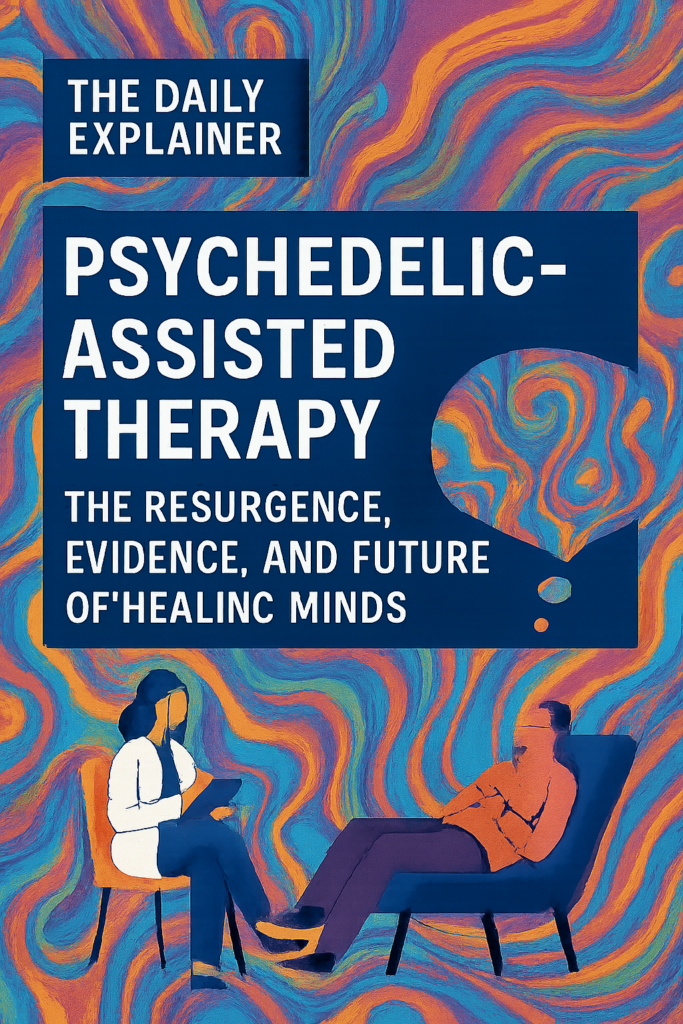
PAT is not simply taking a drug. It is a protocol. Here is a detailed breakdown of the full process, using a typical psilocybin or MDMA therapy model as an example:
Phase 1: Screening & Preparation (Weeks to Months Before Medicine Session)
This phase establishes the therapeutic alliance and the “set.”
- Medical & Psychiatric Screening: Rigorous exclusion of individuals with psychotic disorders (like schizophrenia), severe cardiovascular issues, or certain personality disorders due to risk. Careful review of current medications (e.g., SSRIs can blunt effects).
- Therapeutic Rapport Building: Multiple preparatory sessions (typically 3+) with the therapy team (usually two co-therapists). The focus is on building trust, establishing intention (“What do you hope to address?”), educating about the substance and experience, and practicing grounding techniques.
- Informed Consent: A thorough process ensuring the participant understands potential benefits, risks (including psychological distress), and the voluntary nature of the treatment.
Phase 2: The Medicine Session (The Acute Dosing Day – 6-8 Hours)
This is the heart of the “setting.”
- The Environment: The session room is designed to be calming, safe, and non-clinical—often with a comfortable couch, curated music playlists, art, plants, and access to nature. The participant wears an eye mask and headphones to encourage an inward journey.
- Dosing & Presence: The participant ingests the measured, pharmaceutical-grade dose. Two trained therapists/guides are present for the entire journey. Their role is not to direct but to hold space—offering minimal, supportive guidance if needed, ensuring physical safety, and providing compassionate, non-judgmental presence. They are an anchor.
- The Phenomenology of the Journey: The experience unfolds in loosely defined phases: onset, peak, and gradual return. Content is highly individual but can involve:
- Psilocybin/LSD: Visual/auditory alterations, revisiting of autobiographical memories, confrontation of difficult emotions or trauma, profound philosophical or spiritual insights, the “mystical-type” experience.
- MDMA: A softening of emotional defenses, reduced fear, enhanced ability to discuss traumatic memories without being retraumatized, increased self-compassion and connection to others (including the therapists).
- Ketamine: A dissociative “out of body” sensation, visual patterns, a quieting of the default mode network, often with less emotional-cognitive content than classic psychedelics.
Phase 3: Integration (Days, Weeks, and Months After)
This is where lasting change is forged.
- Immediate Post-Session: Gentle discussion of the experience shortly after the effects subside. Nourishment and rest are emphasized.
- Structured Integration Sessions: Multiple follow-up therapy sessions (e.g., 3+ over the following month) to process the material that arose. Therapists help the participant translate insights into behavioral changes, cognitive reframing, and new life narratives. This might involve journaling, art, or somatic practices.
- Long-Term Lifestyle Integration: Supporting changes in relationships, career, habits, and worldview that emerge from the insights gained.
The Neurobiological “How”: A Tripartite Model of Action
The therapeutic effect is believed to arise from a confluence of biological, psychological, and social factors.
- Neuroplasticity & Brain Network Reset: Psychedelics like psilocybin dramatically increase brain-derived neurotrophic factor (BDNF), promoting neuronal growth and new connections. They temporarily reduce the rigidity of the Default Mode Network (DMN)—the brain’s “self-referential” or “narrative” center, often hyperactive in depression. This “reset” may allow for escape from pathological thought loops and the formation of new, healthier neural pathways.
- Psychological & Emotional Processing: The altered state allows for a heightened state of suggestibility and emotional permeability. Defenses are lowered, allowing deeply buried material to surface in a context where it can be reprocessed without the usual overwhelm. MDMA specifically provides a “window of tolerance” for trauma processing.
- Experiential & Spiritual Reorientation: The profound, meaningful, often mystical quality of the experience can catalyze a shift in fundamental perspective—on one’s self, relationships, and place in the world. This can break the grip of existential despair and provide a lasting sense of connectedness and purpose.
Why It’s Important: Addressing the Crisis in Mental Healthcare
The urgency of this development cannot be overstated. We are in a global mental health crisis, with conventional tools proving insufficient for many.
- Addressing Treatment Resistance: For conditions like TRD and PTSD, where first-line treatments fail 30-50% of the time, PAT offers a novel mechanism of action entirely different from daily serotonin reuptake inhibition.
- Rapid and Sustained Effects: Unlike SSRIs, which take weeks to work and require daily dosing, a single psilocybin session in trials has produced antidepressant effects within 24-48 hours that can last 6-12 months or more from just one or two doses combined with therapy. This represents a fundamentally different treatment model: episodic, intensive intervention rather than chronic maintenance.
- Treating the Root, Not Just the Symptom: Conventional pharmacotherapy often manages symptoms. PAT, in its ideal application, appears to help individuals process and resolve underlying psychological material (trauma, fear of death, rigid self-narratives) that fuels the disorder.
- Economic and Accessibility Potential: While currently expensive due to research-grade protocols, if approved and scaled, a therapy requiring a few therapist hours and one or two medicine sessions could be more cost-effective than a lifetime of daily medication and weekly therapy.
- Re-Enchanting Psychiatry: It brings meaning, spirituality, and profound human experience back into the healing equation, addressing what many feel is a soulless, mechanized model of mental healthcare.
Sustainability in the Future: The Road to Integration
The path from breakthrough therapy to mainstream medical option is fraught with complexity. The future hinges on sustainable, ethical integration.
- Regulatory Pathways & Medicalization: The most immediate future is medical. MDMA-assisted therapy for PTSD is on track for potential FDA approval in the United States as early as late 2025 or 2026, following successful Phase 3 trials. Psilocybin therapy for TRD is in late-stage trials. Approval will create a regulated, prescription-only model within licensed clinics. This is the “medicalization” path.
- Decriminalization & Community-Based Models: Parallel to medicalization, a grassroots movement for decriminalization (removing criminal penalties for personal possession/use) and right-to-try policies is growing in cities and states. This seeks to protect users from criminalization and may allow for non-medical, community-based support models (like psychedelic peer support or guided ceremonial use) to exist alongside medical clinics. Oregon’s Measure 109, creating a licensed psilocybin service center model for adults without requiring a medical diagnosis, is the first test case of this approach.
- Therapist Training & Standardization: A massive need exists for trained practitioners. Organizations like MAPS PBC and COMPASS Pathways are developing standardized training programs to ensure quality, safety, and ethical practice. This includes not just therapy skills, but specific competencies in non-directive support, holding space for intense experiences, and integration.
- Equity and Access: A major risk is that these therapies become expensive luxuries for the wealthy. Sustainable models must include insurance coverage (which FDA approval will facilitate), sliding scale clinics, and initiatives to train practitioners from diverse backgrounds to serve marginalized communities disproportionately affected by mental illness and the War on Drugs.
- Research Expansion: Future research is exploring microdosing, new synthetic compounds (like COMP360 psilocybin), applications for conditions like OCD, anorexia, addiction (alcohol, tobacco), and cluster headaches. The field is just beginning.
Common Misconceptions and Critical Risks
It is imperative to balance the extraordinary promise with a clear-eyed view of the risks and misconceptions.
- Misconception 1: “It’s just getting high to feel better.”
- Reality: The recreational model is antithetical to the therapeutic one. PAT involves facing difficult, even terrifying material in a safe container. The “therapy” is the hard work of integration, not the acute experience itself.
- Misconception 2: “It’s a magic bullet or a cure-all.”
- Reality: It doesn’t work for everyone. Clinical trial response rates, while high, are not 100%. Success depends heavily on the therapeutic container, set, and setting, and the individual’s engagement with integration. It is a powerful tool, not a panacea.
- Misconception 3: “It’s perfectly safe.”
- Reality: There are significant risks. These are powerful substances that can induce:
- Psychological Distress: “Bad trips” involving intense fear, paranoia, or re-experiencing of trauma can occur, especially in unsupported settings. This is why the therapeutic presence is crucial.
- Psychiatric Exacerbation: They can precipitate or worsen psychotic or manic episodes in predisposed individuals, hence the rigorous screening.
- Cardiovascular Stress: Substances like MDMA and LSD increase heart rate and blood pressure, posing risks for those with heart conditions.
- Abuse Potential: While classic psychedelics have low addictive potential, MDMA and ketamine do carry risks of misuse and dependence outside therapeutic contexts.
- Reality: There are significant risks. These are powerful substances that can induce:
- Misconception 4: “You can do this alone or with an untrained guide.”
- Reality: This is strongly discouraged. Without proper screening, setting, and integration support, the risk of harm, re-traumatization, or psychological destabilization increases dramatically. The underground therapy scene is unregulated and carries significant risk.
Recent Developments (2024-2025): The Tipping Point
- FDA Advisory Committee for MDMA: In late 2024, an FDA Psychopharmacologic Drugs Advisory Committee voted overwhelmingly in favor (14-1) of the efficacy of MDMA-AT for PTSD and recognized its favorable risk-benefit profile. This is the penultimate step before a final FDA decision, expected in 2025. This was major breaking news in the medical world.
- COMPASS Pathways Phase 3 Pivotal Trial Data: Top-line results from the second of two pivotal Phase 3 trials of COMP360 psilocybin therapy for TRD were released in Q1 2025. While showing a statistically significant improvement over the control, the effect size was more modest than in earlier trials, highlighting the complexities of large-scale trial design and the critical role of the therapeutic protocol. Full data analysis is pending.
- Health Insurance Preparedness: Major U.S. health insurers have established internal task forces in 2024-2025 to model coverage and reimbursement pathways for MDMA- and psilocybin-assisted therapy, anticipating FDA approval. This is a key signal of impending mainstream integration.
- Global Policy Shifts: Australia became the first country to formally authorize licensed psychiatrists to prescribe MDMA for PTSD and psilocybin for TRD in 2023, with a structured rollout ongoing. Canada has expanded its “Special Access Programme” for psychedelics. Switzerland and Israel have long-standing compassionate use programs.
Success Stories & Real-Life Examples (Anonymized)
Success Story: The MAPS Phase 3 PTSD Trial Participant
“Sarah,” a military veteran with severe, chronic PTSD from combat exposure, had tried over a dozen medications and years of trauma-focused therapy with little relief. She entered the MAPS-sponsored Phase 3 trial. After three MDMA-assisted therapy sessions spaced a month apart, her Clinician-Administered PTSD Scale (CAPS-5) score dropped from severe to below the diagnostic threshold for PTSD. At her 12-month follow-up, she remained in remission. “It wasn’t that the memories were erased,” she reported. “It was that the terror was extracted from them. I could remember what happened without my body going into a panic. I got my life back.”
Real-Life Example: Psilocybin for End-of-Life Distress
In a Johns Hopkins study, “Michael,” a terminal cancer patient with severe death anxiety and depression, participated in a psilocybin session. During his journey, he experienced a profound sense of merging with the universe and the love of his deceased family members. He described it as the most meaningful experience of his life. In the following months, his anxiety vanished. He was able to reconnect deeply with his family and face his final days with openness and peace. His oncologist reported a “complete transformation” in his psychological well-being.
Comparative Table: Leading Psychedelic-Assisted Therapy Models
| Compound | Primary Clinical Target | Therapeutic Action/State | Typical Protocol | Current Legal/Research Status (Early 2025) |
|---|---|---|---|---|
| Psilocybin | Treatment-Resistant Depression (TRD), End-of-Life Anxiety, Major Depressive Disorder (MDD) | Classic psychedelic. Promotes neuroplasticity, ego-dissolution, mystical-type experiences, emotional/cognitive insight. | 1-3 sessions (25-30mg synthetic psilocybin), 6-8 hours each, with extensive prep & integration. | Phase 3 trials for TRD/MDD. FDA Breakthrough Therapy designation. Legal in Oregon service centers. |
| MDMA | Post-Traumatic Stress Disorder (PTSD) (particularly severe/chronic) | Empathogen/Entactogen. Reduces fear, increases trust/empathy, allows for trauma processing without overwhelm. | 3 sessions (80-120mg + optional 40-60mg booster), ~8 hours each, with extensive prep & integration. | NDA submitted to FDA (2024). Potential approval 2025/26. Phase 3 trials complete. |
| Ketamine | Treatment-Resistant Depression, Acute Suicidal Ideation | Dissociative anesthetic. Rapidly reduces depressive symptoms, quiets Default Mode Network, may promote synaptogenesis. | Various models: IV infusion (0.5mg/kg over 40min), intramuscular, lozenge. Often 6-8 initial sessions, then maintenance. | FDA-approved as anesthetic. Used off-label for depression since ~2000. Esketamine (Spravato) nasal spray approved for TRD (2019). |
| LSD | TRD, End-of-Life Anxiety, Cluster Headaches (investigational) | Classic psychedelic. Similar to psilocybin but with longer duration (8-12 hours). | 1-2 sessions (100-200µg), with extensive prep & integration. Used in earlier research, now in newer trials (e.g., for depression). | Schedule I. Currently in Phase 2 trials for depression. Limited legal availability. |
Conclusion and Key Takeaways
The psychedelic renaissance is not a return to the 1960s but a forward march into a new era of evidence-based, psychologically sophisticated mental healthcare. It represents a convergence of cutting-edge neuroscience, ancient wisdom, and a deep humanistic understanding of healing. The potential to alleviate profound suffering is real and documented.
However, this path must be tread with caution, humility, and rigorous ethics. The excitement must not outpace the science, the commercial incentives must not corrupt the therapeutic intent, and the access must not be limited to an elite few. The core lessons from decades of research are clear: context is everything. The substance is a key that opens a door; what lies beyond and how we navigate it depends on the skill of the guides, the readiness of the traveler, and the support waiting on the other side.
For society, this invites us to reconsider our relationship with consciousness-altering substances, moving from a framework of criminalization to one of careful, respectful use for healing. It challenges the medical establishment to embrace more holistic, experiential models of treatment. For the individual, it offers a glimpse of a powerful new possibility for transformation when all else has failed.
As this field evolves, staying informed through credible, science-based sources is crucial. For more analysis on transformative scientific and social developments, explore our Explained section and consider the broader global affairs politics that shape drug policy.
Key Takeaways Box
- It’s Therapy, Not Just a Drug: Psychedelic-Assisted Therapy is a structured model where the medicine is a catalyst within a robust framework of psychological preparation and integration. The “assisted” is the most important word.
- Set and Setting Are Foundational: Mindset and a safe, supportive environment are critical determinants of safety and outcome. This is why the underground/unregulated use carries high risk.
- Different Tools for Different Jobs: Psilocybin shows great promise for depression and existential distress. MDMA is a breakthrough for PTSD. Ketamine is a rapid-acting, legally available tool for depression.
- The Data is Compelling: For specific, severe conditions (TRD, PTSD), clinical trials show effect sizes that surpass current standard-of-care treatments, with benefits that can last months to years from a limited number of sessions.
- Significant Risks Exist: These are powerful substances that can cause psychological distress, exacerbate psychiatric conditions, and pose cardiovascular risks. They are not for everyone and require rigorous medical and psychological screening.
- The Future is Medical First: The most immediate pathway is FDA/EMA approval for specific conditions, leading to use in licensed clinics by trained professionals. Broader decriminalization and community models are developing in parallel.
- Integration is Where Change Happens: The real work of translating the peak experience into lasting life change occurs in the weeks and months of integration therapy following a session.
FAQs (Frequently Asked Questions)
1. What is the difference between psychedelic therapy and just taking psychedelics?
Psychedelic therapy involves a full protocol: screening, preparation sessions, administration in a therapeutic setting with trained guides, and structured integration sessions. Recreational or personal use typically lacks this container, altering the risk profile and potential for therapeutic benefit.
2. Is psychedelic-assisted therapy legal?
It depends on the compound and location.
- Ketamine: Legal for off-label psychiatric use in clinics in the US, Canada, UK, and elsewhere.
- Psilocybin/MDMA: Currently illegal at the U.S. federal level (Schedule I). However, Oregon has state-legal psilocybin service centers. FDA approval for MDMA (for PTSD) and psilocybin (for depression) is pending, which would make them prescription-only medicines. Several countries (Australia, Canada via SAP) have special access pathways.
3. How much does it cost, and will insurance cover it?
Currently, ketamine infusions cost $400-$800 per session, with a typical initial series costing $3,000-$6,000, rarely covered by insurance. Current clinical trial models for psilocybin/MDMA are free for participants but labor-intensive. Upon FDA approval, the goal is insurance coverage. Analysts estimate a full MDMA-AT protocol could be billed at $10,000-$15,000 initially, with costs expected to drop as the model scales.
4. How do I find a legitimate therapist or clinical trial?
- Clinical Trials: Search ClinicalTrials.gov for “psilocybin,” “MDMA,” or “psychedelic” and your condition/location.
- Ketamine Clinics: Look for clinics affiliated with major hospitals or staffed by psychiatrists/ANPs, not just infusion mills. The clinic should emphasize psychiatric assessment and offer integration support.
- Future PAT Therapists: Upon FDA approval, look for practitioners certified by the training bodies established by the sponsoring organizations (e.g., MAPS PBC, COMPASS Pathways). Professional networks like the Association for Psychedelic Studies (APS) will have directories.
5. Can I microdose instead?
Microdosing involves taking sub-perceptual doses (e.g., 1/10th of a recreational dose) regularly. While anecdotally popular for mood and creativity, the scientific evidence is mixed and preliminary. Large-scale, placebo-controlled studies (where participants can’t tell if they got the drug or placebo) have shown that much of the benefit may be due to the placebo effect. It is not a substitute for full-dose assisted therapy.
6. What if I’m on an SSRI antidepressant?
SSRIs (like Prozac, Zoloft) can significantly blunt the subjective effects of serotonergic psychedelics (psilocybin, LSD, MDMA). In clinical trials, participants are often required to taper off SSRIs weeks before, under medical supervision. This is a complex medical decision never to be made on your own. Ketamine does not have this interaction.
7. Are the effects permanent?
Not necessarily “permanent,” but they can be enduring. The goal is a durable remission or significant reduction in symptoms. Studies show a substantial proportion of participants maintain benefits for 6, 12, or even 18 months after just 1-3 sessions. “Booster” sessions may be needed, just as in conventional therapy. Integration work solidifies the gains.
8. What’s the role of the music playlist?
Curated music is a standard part of the setting. It guides the emotional journey, provides a “container” for the experience, can offer comfort during challenging phases, and supports the peak transcendent moments. Research suggests music is a key ingredient in facilitating mystical-type experiences.
9. How is this different from getting anesthesia for a surgery?
The experience is completely different. Under general anesthesia, you are unconscious. Under a psychedelic, you are in a state of hyper-consciousness—profoundly aware of internal thoughts, emotions, and sensations, albeit in an altered form. The therapist’s role is to support this conscious journey.
10. Can it help with addiction?
Early research (and historical research from the 1950s) is very promising for substance use disorders. Modern trials at Johns Hopkins and NYU have shown high success rates for psilocybin therapy in treating alcohol and tobacco addiction. The therapy seems to help break the compulsive behavioral pattern and address underlying psychological drivers.
11. What is “ego dissolution,” and why is it therapeutic?
Ego dissolution is the temporary loss of the sense of a bounded, separate self. It can feel like merging with the universe or everything. In depression and anxiety, the “ego” or self-narrative is often pathological—filled with self-criticism, rumination, and isolation. Dissolving this rigid structure, even briefly, can allow for a healthier sense of self to re-form.
12. Are there any physical side effects?
Common, temporary side effects during a session include: nausea (especially with psilocybin), increased heart rate and blood pressure, dizziness, headache, jaw clenching (with MDMA), and anxiety. These are monitored and managed by the therapy team.
13. How do I talk to my current therapist/doctor about this?
Approach it as a science-informed inquiry. You could say: “I’ve been reading about the clinical trials for [MDMA/psilocybin] for [PTSD/depression]. I’m curious about your perspective on this emerging treatment and whether you think it might be relevant for me in the future as it becomes available.” A good professional will engage in this conversation without judgment.
14. What about the spiritual or religious aspects?
The mystical-type experience is common and is a strong predictor of positive outcomes. This does not require any prior religious belief. The framework is generally secular-therapeutic, but the experience often touches on spiritual themes (interconnectedness, sacredness, transcendence). Integration therapy helps individuals make meaning of this in the context of their own belief system (or lack thereof).
15. Is there an age limit?
Clinical trials typically enroll adults (18+). Research is just beginning to explore potential applications for adolescents with severe, treatment-resistant conditions, but this is highly experimental and fraught with ethical considerations due to developing brains.
16. How long is the commitment for a full course of PAT?
A full protocol, from screening to final integration, typically spans 3-6 months. This includes weeks of preparation, the medicine session day(s) themselves, and multiple months of integration work.
17. What’s the difference between esketamine (Spravato) and ketamine?
Esketamine is the “right-handed” molecular mirror image of ketamine. It is FDA-approved as a nasal spray for TRD and acute suicidality, but it must be administered in a certified clinic under observation. Racemic ketamine (the 50/50 mix used in infusions) is used off-label. Some evidence suggests racemic ketamine may be more effective and longer-lasting.
18. Could this replace traditional therapy or antidepressants?
It is unlikely to fully replace them. It is a new tool in the toolkit, likely best suited for specific, severe conditions where first-line treatments fail. For many, talk therapy and/or medication will remain effective and appropriate. The future is one of treatment plurality.
19. What are the biggest ethical concerns?
- Commercialization & Equity: Preventing a “gold rush” that makes therapy only for the wealthy.
- Therapist Power & Boundaries: The intense transference and vulnerability in sessions require exceptional ethical standards to prevent abuse.
- Cultural Appropriation: Respecting the indigenous origins of many of these substances and ensuring communities benefit from their commercialization.
- Informed Consent: Ensuring participants truly understand the profound and unpredictable nature of the experience.
20. Where can I learn more from credible sources?
- Research Organizations: Multidisciplinary Association for Psychedelic Studies (MAPS), Usona Institute, Beckley Foundation, Heffter Research Institute.
- Educational Platforms: The Psychedelic Spotlight (news), Third Wave (educational content), DoubleBlind (magazine).
- Books: “How to Change Your Mind” by Michael Pollan (overview), “The Psychedelic Explorer’s Guide” by James Fadiman (safety/harm reduction).
21. What is “trauma-informed” care in this context?
It means the therapists understand how trauma impacts the nervous system and behavior. They create an environment of choice, collaboration, and safety (physical and emotional) to avoid re-traumatization. They are skilled at recognizing and gently supporting a participant through challenging emotional material without forcing it.
22. How does this relate to other somatic or experiential therapies?
PAT shares a philosophical kinship with somatic therapies (like Somatic Experiencing) and experiential therapies (like Internal Family Systems). All focus on accessing and processing material held in the body or subconscious outside of purely cognitive talk therapy. PAT can be a powerful accelerant for these modalities.
23. What’s the single most important factor for a positive outcome?
The quality of the therapeutic relationship and the safety of the setting. Trust in the guides allows the individual to surrender to the process, which is necessary for therapeutic depth. This underscores why finding qualified, ethical practitioners is paramount.
About the Author
Sana Ullah Kakar is a psychiatrist and research fellow who has worked on clinical trials investigating novel interventions for mood disorders. With an academic background in neuropharmacology and a clinical practice focused on treatment-resistant conditions, he brings a balanced, evidence-based perspective to the psychedelic renaissance. He is committed to translating complex medical science for the public and writes regularly for The Daily Explainer’s blog. For professional dialogue, he can be reached via our contact-us page.
Free Resources
- MAPS Public Benefit Corporation: Access to research summaries, ethical guidelines, and information on therapist training.
- Johns Hopkins Center for Psychedelic and Consciousness Research: Videos, research publications, and FAQs from a leading academic institution.
- The Ketamine Papers: A free online archive of key research articles on ketamine’s antidepressant effects.
- Fireside Project: A free, confidential peer support line (6-FIRESIDE) for people during or after psychedelic experiences, staffed by trained volunteers.
- Chacruna Institute: Resources on cultural heritage, equity, and indigenous perspectives in psychedelics.
- For those interested in the business, policy, and nonprofit angles of this emerging field, resources at Sherakat Network’s blog and WorldClassBlogs Nonprofit Hub offer valuable insights.
Discussion
The psychedelic renaissance raises profound questions about consciousness, healing, and our societal structures. Where do you stand? Are you hopeful, skeptical, or cautious? Do you believe the medical model is the right path, or should these substances be more freely available? How do we ensure this healing potential is distributed justly? Join this critical conversation below. For more discussions on transformative science and policy, explore our Breaking News section and the commentary on global affairs and politics.
Disclaimer: This article is for informational and educational purposes only. It does not constitute medical advice, nor does it encourage or condone the illegal use of controlled substances. Psychedelic substances are powerful and carry risks. Any consideration of their use for therapeutic purposes should only be undertaken under the guidance of qualified, licensed medical professionals within legally sanctioned frameworks. The external links provided are for informational resources and do not constitute an endorsement of any organization or service. Please review our full Terms of Service.
About The Author