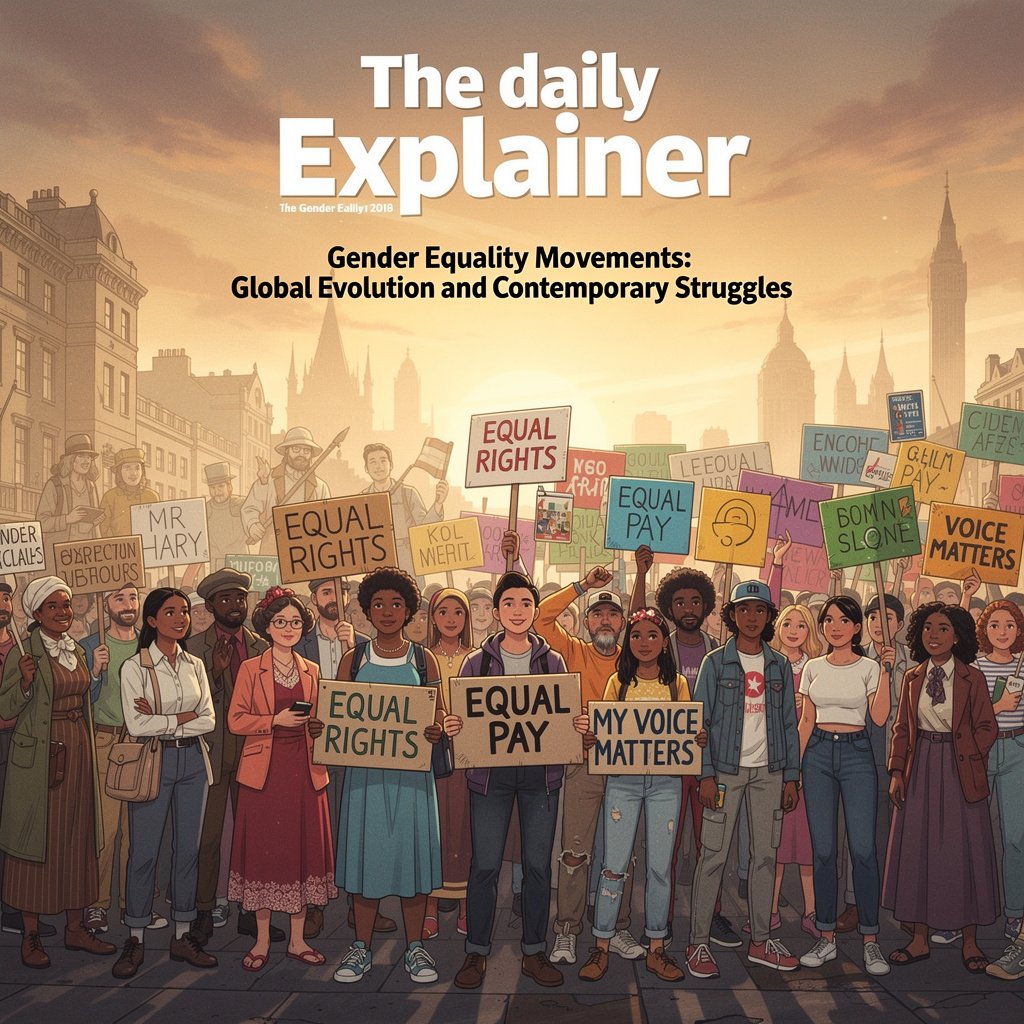
Gender equality movements have evolved through overlapping phases, each expanding the analysis of inequality and strategies for change
Introduction: Why Gender Equality Movements Matter Today
In my experience researching and participating in gender equality initiatives across multiple countries, I’ve discovered a profound truth: gender equality movements are not about reversing power but redistributing it in ways that benefit everyone. These movements matter not only because half the world’s population faces systemic barriers, but because societies that constrain women’s and gender-diverse people’s potential inevitably limit everyone’s humanity. What I’ve found is that contemporary gender equality movements represent some of the most sophisticated, globally-connected, and resilient social justice efforts of our time—yet they face unprecedented backlash in certain regions.
What most observers miss is that today’s movements have evolved beyond simple demands for equal rights to challenge the very structures that perpetuate inequality. They’re asking deeper questions: How do economic systems reinforce gender inequality? How do cultural narratives shape our understanding of gender? How do various forms of discrimination intersect? The key insight I’ve gathered from speaking with feminist organizers from Argentina to South Korea is that the most effective movements today are those that simultaneously address immediate dangers (like gender-based violence) while strategizing for long-term structural transformation.
The biggest misconception? Gender equality has been largely achieved in many parts of the world. In reality, while significant progress has been made in certain areas like education and political representation, core issues of economic justice, bodily autonomy, and freedom from violence remain stubbornly persistent—and in some cases, are experiencing alarming regression.
Background and Context: A Century of Feminist Waves and Currents
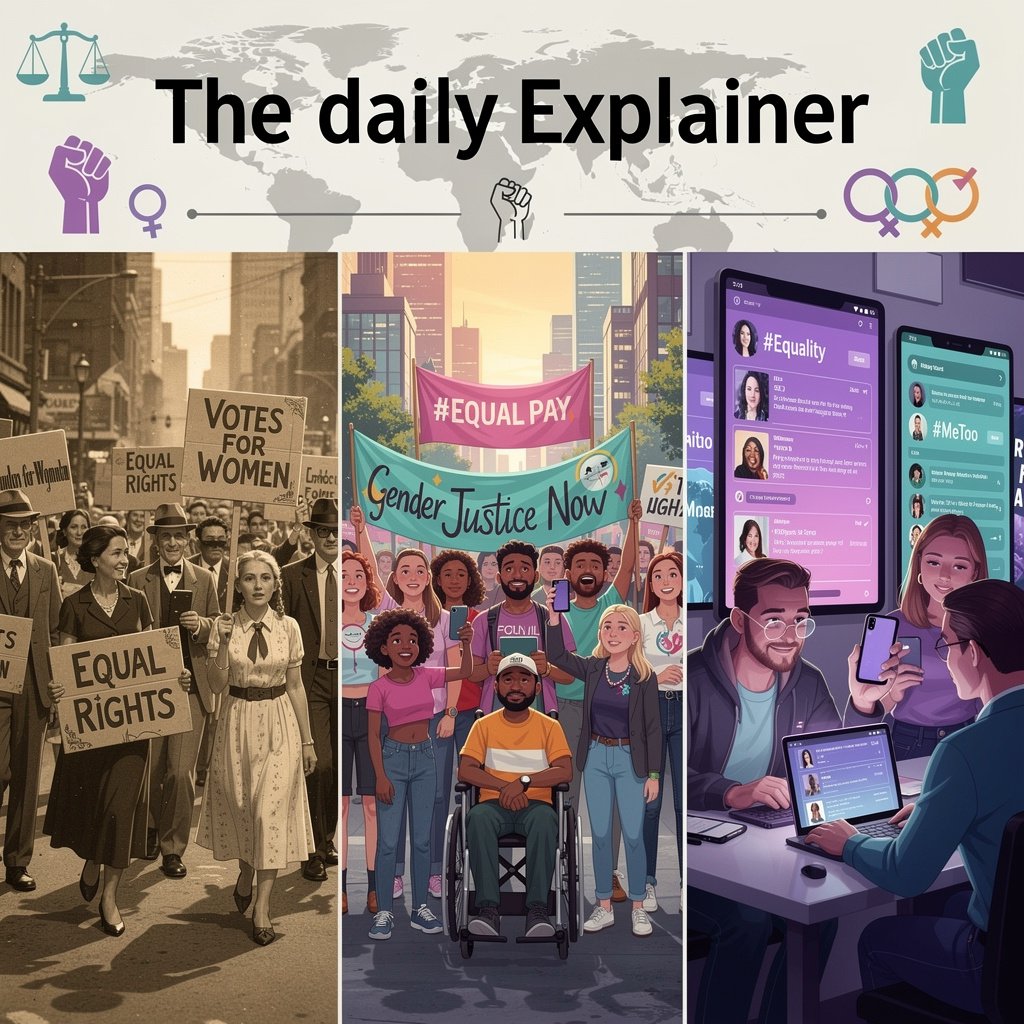
Understanding today’s gender equality movements requires examining their historical evolution through what are often described as “waves”—though this metaphor oversimplifies the continuous, overlapping nature of feminist activism across different cultures and contexts.
The Suffrage and Early Legal Rights Movement (Late 19th to Early 20th Century):
Focused primarily on securing basic legal rights, including voting, property ownership, and access to education. The 1848 Seneca Falls Convention in the United States and similar gatherings worldwide established the foundational principle that women should have equal political standing. These movements were often led by middle-class white women, frequently excluding women of color and working-class women—a limitation that contemporary movements explicitly address.
The Women’s Liberation Movement (1960s-1980s):
Expanded the focus to reproductive rights, workplace equality, sexuality, and family roles. The famous slogan “the personal is political” captured how this wave connected private experiences (domestic violence, unequal housework distribution) to systemic issues requiring collective action. Landmark achievements included the 1973 Roe v. Wade decision in the U.S. (since overturned) and the 1975 Sex Discrimination Act in the UK, though these victories were unevenly distributed globally.
The Intersectional and Global Feminist Movement (1990s-2010s):
Characterized by increased attention to how gender inequality intersects with racism, colonialism, economic injustice, and other forms of oppression. The 1995 UN Fourth World Conference on Women in Beijing marked a watershed moment, producing the Beijing Declaration and Platform for Action signed by 189 countries. This period saw the rise of transnational feminist networks and the explicit inclusion of LGBTQ+ rights within gender equality frameworks.
The Digital and Fourth Wave (2010s-Present):
Defined by digital mobilization, renewed attention to sexual violence, and the globalization of feminist discourse through hashtags like #MeToo, #NiUnaMenos, and #TotalShutdown. This wave grapples with complex questions about inclusivity, particularly regarding transgender rights, while facing well-organized opposition from authoritarian governments, religious fundamentalists, and anti-gender movements.
What I’ve observed in my historical research is that each period’s limitations have sparked subsequent movements’ innovations. Today’s activists are increasingly conscious of this history, learning both from past successes and from critiques of previous movements’ exclusions.
Key Concepts Defined: The Evolving Language of Gender Justice
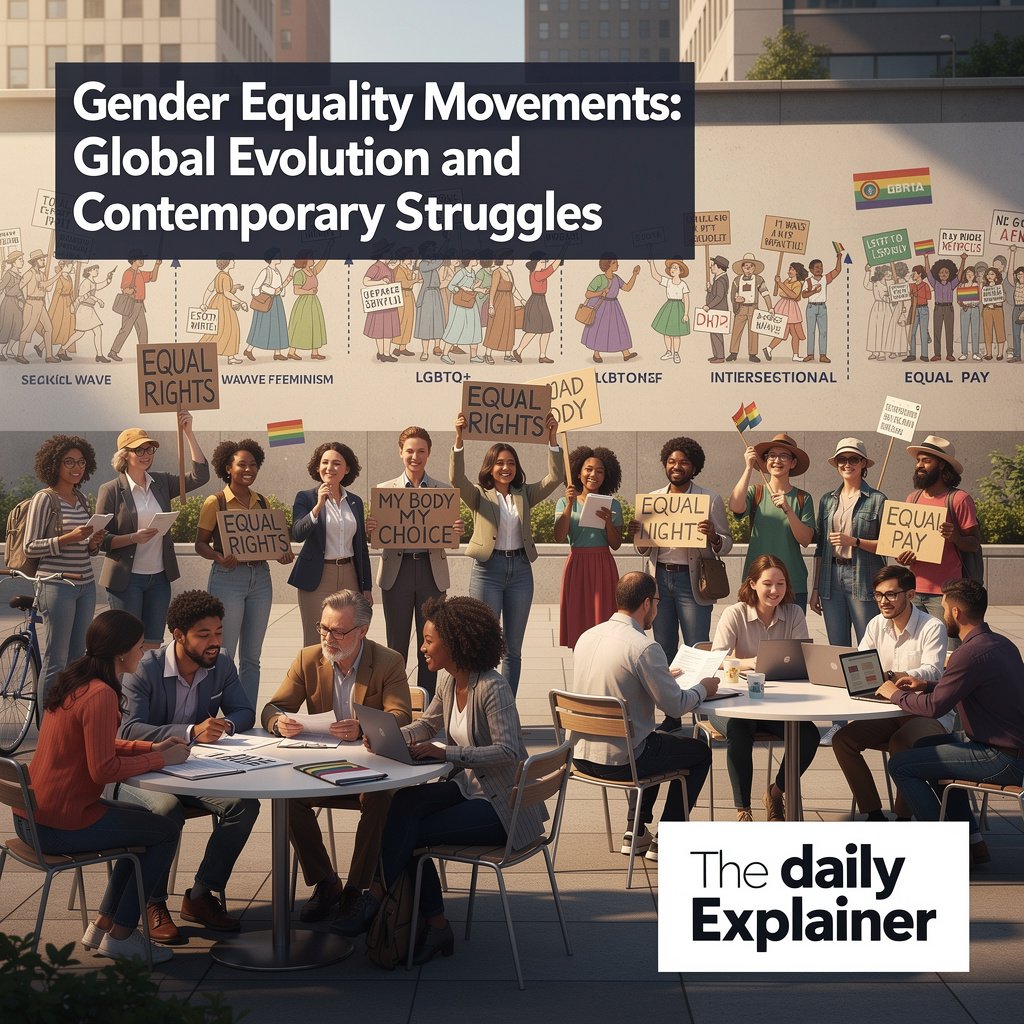
Intersectionality: Coined by scholar Kimberlé Crenshaw, this term describes how overlapping systems of discrimination (based on gender, race, class, sexuality, disability, etc.) create distinct experiences of oppression and privilege. Modern movements apply intersectionality to ensure they don’t prioritize the needs of the most privileged within marginalized groups.
Patriarchy: The social system in which men hold primary power and predominate in roles of political leadership, moral authority, social privilege, and control of property. Contemporary analysis examines how patriarchy intersects with capitalism, racism, and colonialism.
Gender-Based Violence (GBV): Harmful acts directed at an individual based on their gender. This includes not only physical and sexual violence but also psychological, economic, and structural violence embedded in laws and institutions.
Bodily Autonomy: The right to make decisions about one’s own body without coercion or violence. This encompasses reproductive rights, freedom from gender-based violence, and the right to gender expression and transition.
Feminist Foreign Policy: An approach to international relations that prioritizes gender equality, women’s rights, and peacebuilding. Several countries have adopted this framework, though implementation varies significantly.
Economic Justice: Movements increasingly frame gender inequality as an economic issue, highlighting the gender pay gap, unequal care responsibilities (the “second shift”), and the disproportionate representation of women in precarious, low-wage work.
Male Engagement: The strategic involvement of men and boys as allies in promoting gender equality, challenging harmful masculinities, and transforming patriarchal norms. Effective programs avoid positioning men as “saviors” while recognizing their role in cultural transformation.
Queer Feminism: An approach that challenges binary understandings of gender and sexuality, advocating for the rights of transgender, non-binary, and gender-nonconforming people as integral to gender justice.
In my work training activists, I’ve found that shared understanding of these concepts is crucial for building cohesive movements. However, I’ve also learned that movements must remain flexible in how concepts are applied across different cultural contexts—what “bodily autonomy” means in practice may differ between countries with different legal and medical systems.
How Gender Equality Movements Work: Strategies Across Multiple Fronts
Today’s gender equality movements employ integrated strategies across what I call the “four pillars of change”:
1. Cultural Transformation and Narrative Change
Movements work to shift deeply embedded beliefs and stories about gender through:
- Media and Arts Initiatives: Supporting feminist filmmakers, writers, and artists who challenge stereotypes
- Education Reform: Advocating for curricula that teach gender equality and consent
- Public Campaigns: Initiatives like the UN’s “HeForShe” or local efforts to challenge sexist advertising
I’ve helped organizations develop what I call “cultural acupuncture”—targeted interventions at pressure points in popular culture that can shift broader narratives. For example, supporting a popular television show to write more nuanced female characters can reach millions more people than a traditional advocacy campaign.
2. Legal and Policy Advocacy
This involves changing the rules that govern societies through:
- Strategic Litigation: Challenging discriminatory laws in court
- Legislative Campaigns: Advocating for laws on equal pay, anti-discrimination, and violence prevention
- Policy Implementation Monitoring: Ensuring existing laws are effectively enforced
3. Direct Services and Community Building
Addressing immediate needs while building collective power through:
- Crisis Services: Running shelters, hotlines, and legal aid for survivors of gender-based violence
- Economic Empowerment Programs: Microfinance, job training, and cooperative development
- Leadership Development: Training women and gender-diverse people for political office and community leadership
4. Mass Mobilization and Direct Action
Building visible public power through:
- Global Campaigns: Coordinated actions around International Women’s Day or the 16 Days of Activism
- Creative Protest: Using art, performance, and digital tools to draw attention to issues
- Strikes and Boycotts: Women’s strikes that highlight the value of unpaid care work
The most effective movements I’ve studied strategically connect these pillars. For instance, the movement to address femicide in Latin America combines mass protests (#NiUnaMenos) with legal advocacy for stronger laws, community-based protection networks, and cultural work to challenge machismo norms.
Why Gender Equality Movements Are Important: Beyond “Women’s Issues”
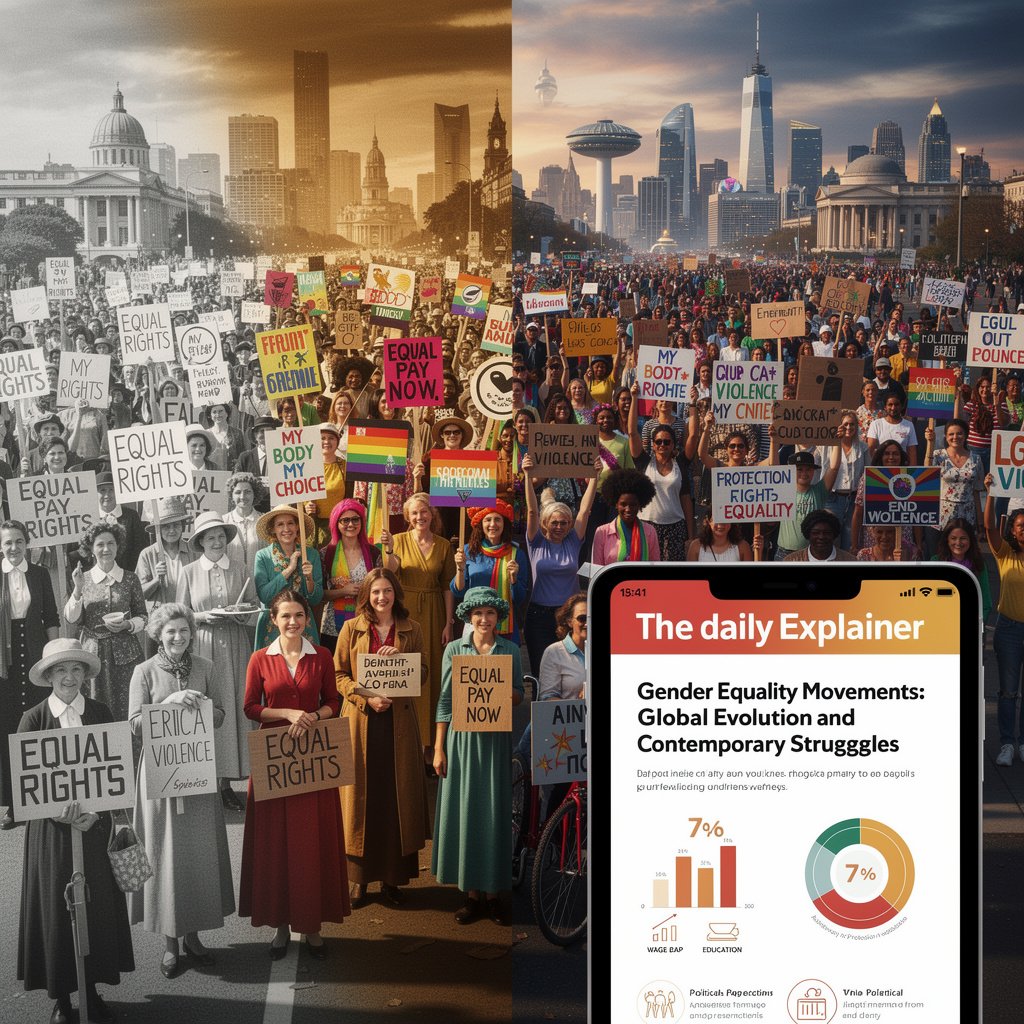
Gender equality movements matter for reasons that extend far beyond fairness to individuals:
They Strengthen Democracies: Research consistently shows that greater gender equality in political representation leads to more responsive governance, less corruption, and greater attention to issues like healthcare, education, and social protection.
They Drive Economic Growth: Closing gender gaps in employment could add trillions to the global economy. Companies with greater gender diversity consistently outperform less diverse competitors.
They Promote Peace and Security: Women’s meaningful participation in peace processes makes agreements 35% more likely to last at least 15 years, according to UN data.
They Address Multiple Crises: Feminist approaches offer unique insights into interconnected challenges like climate change (women are disproportionately affected but underrepresented in decision-making), public health, and economic inequality.
They Expand Human Freedom for Everyone: By challenging rigid gender norms, these movements create space for all people to express themselves more fully, whether in career choices, family roles, or personal identity.
They Model Intersectional Solidarity: Contemporary gender equality movements increasingly demonstrate how to build coalitions across different struggles, offering a template for addressing other forms of structural inequality.
In my analysis, what makes today’s movements particularly significant is their growing sophistication in connecting these various dimensions—understanding, for example, that economic empowerment without freedom from violence is incomplete, or that political representation without cultural change is unstable.
The Future of Gender Equality Movements: Emerging Trends and Challenges
As movements look ahead, several key trends will shape their direction:
Navigating the Digital Landscape: Online spaces present both opportunities for mobilization and risks of harassment, surveillance, and disinformation. Future movements must develop sophisticated digital strategies that protect vulnerable members while leveraging technology’s connective potential.
Addressing Transnational Anti-Gender Movements: Well-funded, coordinated opposition campaigns have successfully rolled back rights in several countries. Effective responses require transnational solidarity and new narratives that resonate with diverse audiences.
Centering Economic Justice: There’s growing recognition that meaningful equality requires transforming economic systems, not just achieving parity within existing unequal structures. This includes advocating for care economies, wealth redistribution, and challenging neoliberal policies that exacerbate gender inequality.
Intergenerational Transfer and Renewal: Movements must balance the wisdom of veteran activists with the energy and perspectives of younger generations, particularly on issues like digital organizing, climate justice, and trans rights.
Building Resilience in Hostile Environments: In countries where civic space is shrinking, movements are developing creative strategies for survival and resistance, from underground networks to leveraging international human rights mechanisms.
Decolonizing Feminist Praxis: There’s increasing attention to how mainstream feminist movements have sometimes reproduced colonial patterns by centering Western experiences and solutions. Future movements will need to practice genuine global solidarity that respects diverse cultural contexts.
From my perspective, the central challenge for gender equality movements is maintaining what I call “radical inclusivity”—creating spaces where diverse experiences of gender injustice are recognized while building enough shared purpose to mobilize effectively. This requires ongoing, difficult conversations about privilege, representation, and strategy.
Common Misconceptions About Gender Equality Movements
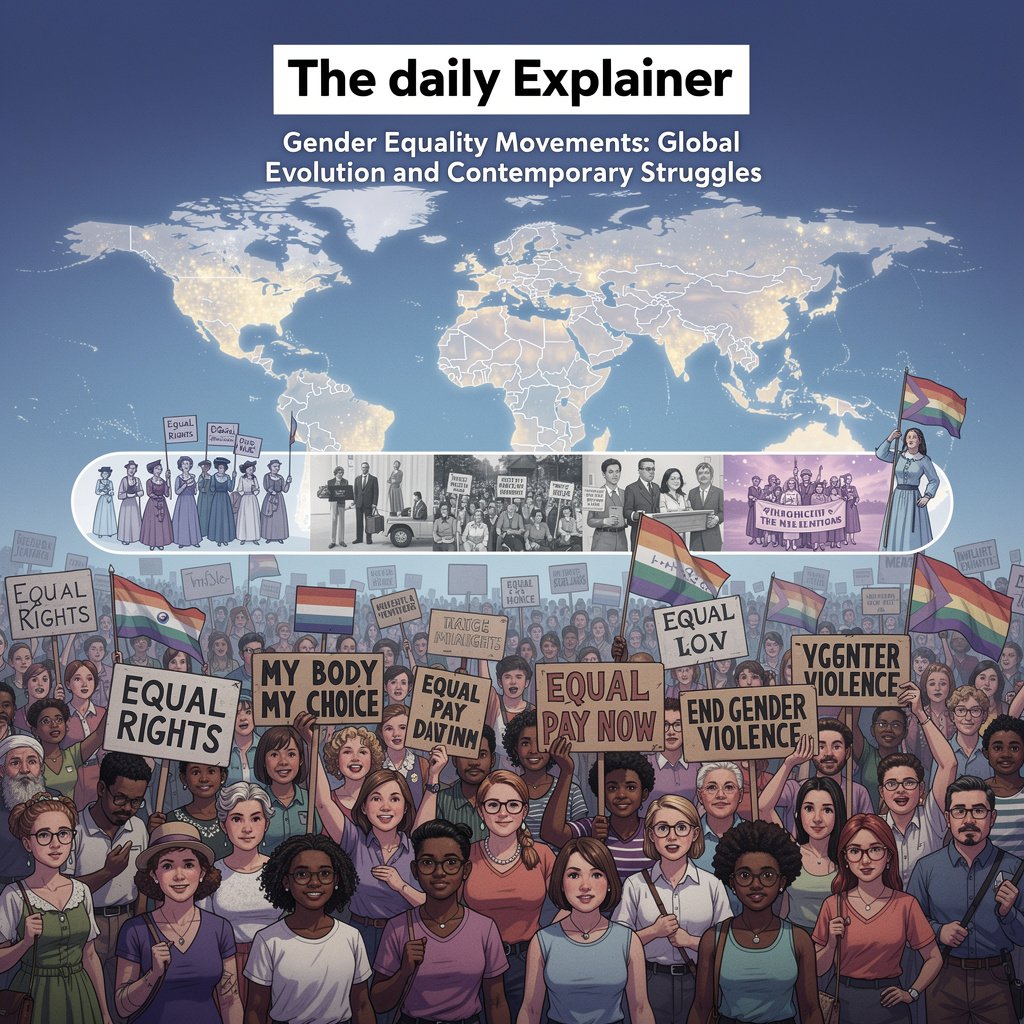
“Feminism is about women being superior to men”: This mischaracterizes feminism as seeking dominance rather than equality. In reality, feminist analysis reveals how patriarchal systems harm people of all genders by enforcing restrictive roles.
“Gender equality has already been achieved in many places”: While legal frameworks have improved in some countries, substantive equality remains elusive. The gender pay gap persists, women remain underrepresented in leadership, and gender-based violence affects approximately 1 in 3 women worldwide.
“Gender equality is a Western imposition”: This ignores long histories of feminist thought and activism in all regions. What varies across cultures are the specific manifestations of inequality and the strategies for addressing them.
“Focusing on gender distracts from ‘more important’ issues like class”: Intersectional feminism explicitly examines how gender, class, race, and other factors intersect. In fact, gender-blind approaches to economic justice often fail to address women’s specific forms of economic marginalization.
“Men are losing out because of gender equality”: Research shows that challenging rigid gender norms benefits men too—reducing pressure to be primary breadwinners, enabling more involved fatherhood, and decreasing the stigma around seeking help for mental health issues.
“The movement is divided and ineffective”: While there are healthy debates within feminism (as in any social movement), these often reflect necessary conversations about inclusion and strategy. The global impact of movements like #MeToo demonstrates significant collective power.
“Trans rights conflict with women’s rights”: This framing sets up false opposition. Inclusive feminism recognizes that patriarchy harms all people who deviate from rigid gender expectations, and that solidarity across gender experiences strengthens movements for justice.
In my dialogues with skeptics, I’ve found that addressing these misconceptions requires both factual information and personal storytelling—helping people connect abstract concepts to real experiences in their own lives and communities.
Recent Developments in Gender Equality Movements
The landscape of gender activism continues to evolve rapidly:
The Global Spread and Localization of #MeToo: What began primarily in Western entertainment industries has sparked conversations and accountability movements in dozens of countries, each adapting the framework to local contexts—from China’s #RiceBunny movement to South Korea’s #SchoolMeToo.
Backlash and Resilience in Sexual and Reproductive Rights: While some regions have seen alarming restrictions on abortion access (notably the U.S. with the overturning of Roe v. Wade), others have made historic progress (Ireland, Argentina, Colombia). Movements are developing new strategies for cross-border solidarity and support.
Increased Attention to Care Economy: The COVID-19 pandemic highlighted the crisis of unpaid care work, predominantly performed by women. Movements are advocating for recognition, reduction, and redistribution of care responsibilities through policy measures like paid family leave and public childcare.
Feminist Responses to Conflict and Displacement: In Ukraine, Sudan, Gaza, and other conflict zones, women’s organizations are providing essential services, documenting human rights abuses, and planning for feminist approaches to reconstruction and peacebuilding.
Digital Innovation and Threats: New tools like encrypted messaging apps and blockchain for documenting violence are being adopted, even as online gender-based harassment escalates and authoritarian governments use surveillance technology to track activists.
Generational Shifts in Leadership: Young activists are bringing renewed attention to issues like climate justice, digital rights, and inclusive language, while maintaining connections with veteran organizers who provide historical perspective and strategic wisdom.
These developments reveal a movement that is simultaneously under severe threat in some contexts and demonstrating remarkable innovation and resilience in others. The most effective responses are those that connect local struggles to global solidarity networks.
Success Stories: When Movements Create Transformative Change
Iceland’s Feminist Transformation: A Multigenerational Project
Iceland consistently ranks first in global gender equality indexes, but this didn’t happen by accident. Key movement strategies included:
- The 1975 Women’s Strike: When 90% of Icelandic women refused to work, cook, or care for children for one day, demonstrating society’s dependence on women’s labor
- Cross-Party Political Collaboration: Women across different political parties worked together to pass progressive legislation
- Cultural Interventions: Challenging stereotypes through education, media, and public discourse
- Economic Measures: Implementing equal pay certification requirements and subsidized childcare
The result is a society where shared parental leave is the norm, women hold nearly half of parliamentary seats, and the gender pay gap, while not eliminated, is among the world’s smallest. Iceland’s experience shows how sustained, multi-strategy movements can transform societies over generations.
Argentina’s Green Wave: Legalizing Abortion Through Persistent Mobilization
After decades of activism, Argentina legalized abortion in 2020 through a movement characterized by:
- Broad Coalition Building: Uniting feminists across class, generation, and political affiliation under the green handkerchief symbol
- Strategic Timing: Leveraging momentum from neighboring Uruguay’s legalization and Chile’s feminist uprising
- Public Testimony: Women sharing personal stories to destigmatize abortion
- Legislative Persistence: Introducing bills repeatedly despite earlier defeats
- Cultural Permeation: The green handkerchief became ubiquitous, appearing at protests, in artwork, and even in mainstream media
The victory inspired similar movements across Latin America and demonstrated how cultural change and political pressure can combine to overcome powerful opposition from the Catholic Church and conservative politicians.
Rwanda’s Post-Genocide Gender Rebuilding: Policy-Driven Transformation
After the 1994 genocide, Rwanda implemented what became the world’s most gender-equal constitution, requiring that women hold at least 30% of positions in decision-making bodies. The movement strategy involved:
- Recognizing Women’s Role in Reconstruction: Women had survived at higher rates and were rebuilding communities
- International Partnership: Collaborating with UN Women and other agencies while maintaining national ownership
- Grassroots to Government Approach: Supporting women’s leadership at local levels to build a pipeline for national office
- Economic Foundations: Microfinance and land rights reforms to ensure women’s economic participation
Today, Rwanda leads the world in women’s parliamentary representation (over 60%), showing how catastrophic disruption can create openings for transformative gender policy when movements are prepared with clear visions and strategies.
Real-Life Examples of Contemporary Gender Equality Activism
The “Zhenskaya Sila” (Women’s Force) Movement in Russia: Operating under severe political repression, feminist activists have developed ingenious strategies, including “feminist self-defense groups” that train women in physical protection and legal rights, underground distribution of reproductive health information, and using art and poetry as forms of resistance when overt political speech is dangerous.
The Caregivers’ Movement in the Philippines: Migrant domestic workers, predominantly women, have built transnational advocacy networks like Migrante International that fight for labor protections in destination countries while challenging the Philippine government’s labor export policies. Their “care activism” reframes care work as skilled labor deserving of dignity and rights.
The End FGM/C Movement in Multiple African Countries: Grassroots women’s organizations are combining community education, alternative rites of passage ceremonies, economic empowerment for circumcisers, and advocacy for stronger laws to eliminate female genital mutilation/cutting. Successful approaches center the leadership of community elders and religious figures who can shift cultural norms from within.
Feminist Climate Justice Activism in the Pacific: Women in Pacific Island nations are leading climate adaptation efforts while framing rising sea levels as a feminist issue, since women often have less access to resources for relocation and face increased gender-based violence after climate disasters. Their activism connects intimate partner violence with fossil fuel extraction through the concept of “terrestrial intimacy.”
The Digital Security Collectives in the Middle East and North Africa: Feminist tech collectives like Smex in Lebanon and Association for Progressive Communications’ women’s rights program provide digital security training, develop feminist technology, and document online gender-based violence in contexts where digital surveillance poses particular risks to women and LGBTQ+ activists.
These examples demonstrate the incredible diversity of gender equality activism globally, while revealing common themes: the importance of adapting strategies to specific cultural and political contexts, the power of personal testimony, and the necessity of building both immediate support systems and long-term visions for change.
Conclusion and Key Takeaways: Building Inclusive Movements for the Long Haul
Gender equality movements face a paradoxical moment: unprecedented global connectivity and shared frameworks coexist with severe backlash and regression in many regions. Navigating this landscape requires movements that are both fiercely principled and strategically adaptable.
Key Takeaways for Movement Builders and Supporters:
- Practice Intersectionality as an Organizing Principle, Not Just a Concept: This means centering the leadership of those most affected by multiple forms of discrimination, allocating resources accordingly, and continually examining who might be excluded from movement spaces.
- Build Intergenerational Bridges: Create structured ways for knowledge transfer between veteran and younger activists. Honor historical contributions while making space for new perspectives, particularly on emerging issues like digital rights and climate justice.
- Develop Both Resistance and Vision: Effective movements need to oppose immediate threats (bad laws, violence) while articulating compelling positive visions of gender-just societies. The most powerful organizing connects what we’re fighting against with what we’re fighting for.
- Balance Cultural and Institutional Change: Work simultaneously to shift hearts and minds through storytelling, art, and dialogue while changing laws, policies, and economic structures. Each reinforces the other.
- Build Transnational Solidarity with Local Specificity: Learn from movements in other contexts while developing strategies rooted in local realities. Support global campaigns while recognizing that slogans and symbols may need adaptation.
- Prioritize Care and Sustainability: Burnout and trauma are endemic in gender justice work. Build collective care practices, celebrate small victories, and develop leadership structures that distribute responsibility rather than concentrating it in a few charismatic individuals.
- Engage Men and Boys Strategically: Develop programs that invite men into gender justice work without centering them, challenge harmful masculinities while offering positive alternatives, and address legitimate fears about changing gender roles.
- Invest in Feminist Research and Documentation: Data and analysis are powerful tools for advocacy. Support participatory research that involves affected communities in defining questions and interpreting findings.
In my assessment, the future of gender equality movements depends on what I call “principled pragmatism”—holding firmly to core values of dignity and justice for all people, while developing flexible strategies that respond to changing political landscapes, technological developments, and generational shifts in consciousness. The work is both urgent and long-term, both deeply personal and profoundly political.
Frequently Asked Questions (FAQs)
1. What’s the difference between gender equality and gender equity?
Gender equality means giving everyone the same resources or opportunities. Gender equity recognizes that people start from different places and may need different supports to achieve fair outcomes. Equity is the means; equality is the result.
2. How do I respond when someone says “not all men” are part of the problem?
Acknowledge that not all men commit violence, but explain that all men benefit from patriarchal systems unless they actively work to change them. Redirect the conversation from individual defensiveness to collective responsibility for systemic change.
3. Are men victims of gender inequality too?
Yes, patriarchal systems harm men by enforcing restrictive emotional expression, glorifying violence as masculinity, creating pressure to be primary breadwinners, and contributing to poorer health outcomes. Feminist analysis seeks to liberate all people from rigid gender roles.
4. Why do some feminists exclude transgender women?
This represents a minority perspective often called “trans-exclusionary radical feminism” (TERF). Most contemporary feminist movements are trans-inclusive, recognizing that patriarchy oppresses all who deviate from rigid gender norms and that solidarity strengthens movements.
5. How can I be a good male ally in gender equality movements?
Listen more than you speak, follow the leadership of women and gender-diverse people, educate other men, challenge sexist remarks and behaviors in male-dominated spaces, and handle your own emotional labor rather than expecting women to educate you.
6. What’s the relationship between feminism and LGBTQ+ rights?
Modern feminism increasingly recognizes that patriarchal systems enforce compulsory heterosexuality and binary gender roles that harm LGBTQ+ people. Many feminist organizations explicitly include LGBTQ+ rights in their advocacy, and queer theory has significantly influenced feminist thought.
7. How do cultural differences affect gender equality approaches?
While the principle of human dignity is universal, specific manifestations of gender inequality and effective strategies vary across cultures. Effective movements respect local knowledge while challenging harmful practices, avoiding either cultural relativism or imperialist imposition of Western models.
8. What about women who oppose feminism?
Some women internalize patriarchal beliefs or perceive feminism as threatening to their values, relationships, or economic security. Engagement should start with listening to their concerns and finding common ground on specific issues rather than debates about labels.
9. How has digital technology changed gender equality activism?
It has enabled rapid global mobilization (#MeToo), created new spaces for marginalized voices, and facilitated safer organizing in repressive contexts. It has also spawned new forms of gender-based violence (cyberstalking, non-consensual image sharing) that movements must address.
10. Why do we still need women-only spaces?
Women and gender-diverse people often need spaces free from the male gaze and potential threat to heal from trauma, develop leadership skills, and strategize for change. These spaces should exist alongside mixed-gender organizing efforts.
11. What is “feminist foreign policy” and does it work?
Countries like Sweden, Canada, and Mexico have adopted frameworks that prioritize gender equality in diplomacy, development aid, and trade. Results are mixed but include increased funding for women’s organizations and attention to women’s rights in peace processes.
12. How does climate change affect women differently?
Women are often more vulnerable due to existing inequalities: they may have less access to resources for disaster recovery, face increased domestic violence after climate events, and bear greater responsibility for securing water and food as these become scarce.
13. What is “the feminization of poverty”?
This refers to the trend that women are disproportionately represented among the world’s poor due to wage gaps, unpaid care responsibilities, limited asset ownership, and discrimination in social protection systems.
14. How effective are gender quotas in politics?
Research shows quotas significantly increase women’s representation, which leads to more attention to issues like healthcare and education. However, quotas alone don’t guarantee transformative change if women representatives aren’t supported to challenge patriarchal systems.
15. What about men’s rights groups?
Legitimate concerns about issues like male suicide rates or fathers’ rights in custody cases are important. However, many organized “men’s rights” groups promote misogynistic views and oppose feminist advances rather than addressing how patriarchal systems harm men.
16. How do religious feminism and secular feminism relate?
Religious feminists interpret their traditions in gender-egalitarian ways, while secular feminists may view religion as inherently patriarchal. Productive alliances focus on shared goals (ending violence, economic justice) while respecting different frameworks.
17. What is “feminist economics”?
This approach challenges mainstream economics for ignoring unpaid care work, analyzing how gender shapes economic systems, and advocating for policies like universal childcare, paid family leave, and living wages.
18. Why is there controversy around sex work in feminist movements?
Some feminists view all sex work as violence against women, while others emphasize agency and advocate for decriminalization to improve sex workers’ safety and rights. This debate reflects deeper disagreements about structure versus agency in women’s choices under patriarchy.
19. How do disability rights intersect with gender equality?
Women and girls with disabilities face compounded discrimination in education, employment, healthcare, and experience higher rates of violence. Inclusive feminism must address accessibility in movements and advocate for policies that recognize these intersecting inequalities.
20. What is “gender mainstreaming” in policy?
This is the strategy of assessing the differential impact on all genders of any planned policy, program, or legislation. It aims to make gender perspectives central to all decision-making rather than treating gender as a separate “women’s issue.”
21. How do colonial histories affect global gender equality?
Western colonial powers often imposed patriarchal systems on more egalitarian societies, and contemporary development approaches sometimes reproduce colonial patterns by imposing Western feminist frameworks without understanding local contexts.
22. What about conservative women who advocate for traditional gender roles?
Some women find meaning and security in traditional roles. Feminist responses should respect personal choice while challenging systems that limit choices for all women, and highlighting how even traditional roles are affected by issues like economic inequality and lack of social support.
23. How do we address gender bias in artificial intelligence?
AI systems often replicate societal biases, for example in hiring algorithms or facial recognition. Feminist tech activists advocate for diverse teams developing AI, algorithmic audits for bias, and regulations that prevent discriminatory automated systems.
24. What is “toxic masculinity” and is the term helpful?
This refers to cultural norms that associate masculinity with dominance, violence, and emotional suppression, harmful to both men and those around them. Some prefer “restrictive masculinities” to avoid stigmatizing men personally while criticizing harmful social norms.
25. How does militarism relate to gender equality?
Militarist societies typically emphasize hyper-masculinity, increase violence against women, and divert resources from social services to weapons. Feminist peace activists highlight these connections and advocate for alternative security approaches.
26. What about boys’ underperformance in education?
In some regions, boys are falling behind in school. Feminist analysis connects this to narrow definitions of masculinity that discourage academic engagement. Solutions include challenging gender stereotypes in education rather than seeing boys’ and girls’ education as a zero-sum competition.
27. How do unpaid care responsibilities affect gender equality?
Women perform an estimated 3+ times more unpaid care work than men globally, limiting their economic opportunities and political participation. Addressing this requires policy measures (paid leave, childcare) and cultural change in gender norms around caregiving.
28. What is “gender budgeting”?
This analyzes government budgets to assess their differential impact on genders and reallocates resources to address inequalities. For example, analyzing whether infrastructure projects consider women’s safety or if healthcare funding addresses women’s specific needs.
29. How do movements address backlash without being defensive?
Successful movements anticipate backlash, prepare counter-messaging that resonates with broader audiences (not just existing supporters), build diverse coalitions to demonstrate wide support, and avoid being drawn into opponents’ framing of issues.
30. What gives you hope about gender equality movements today?
The incredible creativity and resilience of activists worldwide, the growing understanding of intersectionality, the increasing inclusion of diverse voices, and the evidence that when women lead, they bring different priorities and approaches that benefit entire societies.
About the Author
This comprehensive analysis was developed by The Daily Explainer’s research team specializing in global social movements and gender studies. Our methodology combines academic research, interviews with activists across multiple regions, and analysis of movement strategies and impacts. We are committed to providing nuanced, accessible explanations of complex social transformations that shape our world. Our goal is to bridge the gap between specialized knowledge and public understanding, empowering readers with the insights needed to engage thoughtfully with critical issues of our time.
Free Resources for Further Learning
- Global Gender Equality Movement Directory: Profiles of organizations working in different regions and issue areas
- Feminist Theory Primer: Key concepts and thinkers made accessible for beginners
- Intersectionality Toolkit: Practical worksheets for applying intersectional analysis to organizing
- Digital Security Guide for Gender Activists: Basic practices for protecting online work
- Movement Building Case Studies: Detailed analyses of successful campaigns worldwide
- Gender-Responsive Budgeting Handbook: How to analyze policies for gendered impacts
Join the Discussion
Gender equality movements represent one of the most dynamic and consequential forces for social change in our world today. How have you witnessed or participated in these movements in your own context? What strategies have you found most effective? How do we build movements that are both inclusive and focused enough to create meaningful change?
We invite you to explore more of our explanatory content on social movements and global affairs to deepen your understanding of how change happens. Your perspectives and experiences contribute to the ongoing evolution of these vital movements for human dignity and justice.
About The Author