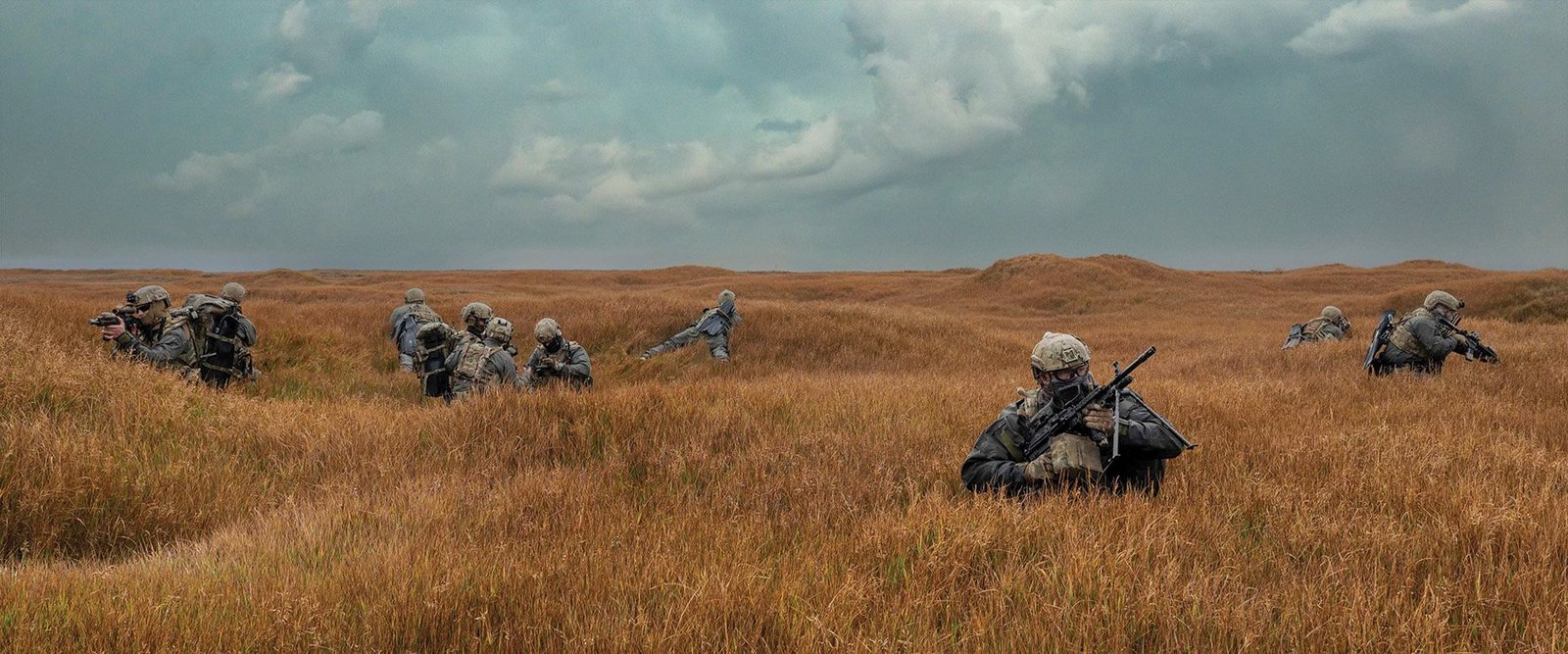
Figure 1: Modern conflict monitoring combines satellite imagery, social media feeds, and official reports to create comprehensive situation awareness.
Introduction: Why This Matters
In our hyper-connected world, a conflict zone update can flash across screens globally within seconds of an event occurring. Yet, amidst this deluge of information, understanding what’s actually happening in war-torn regions has never been more challenging—or more critical. A reliable conflict zone update does more than satisfy curiosity; it shapes foreign policy, drives humanitarian response, influences global markets, and ultimately, can mean the difference between life and death for those caught in the crossfire.
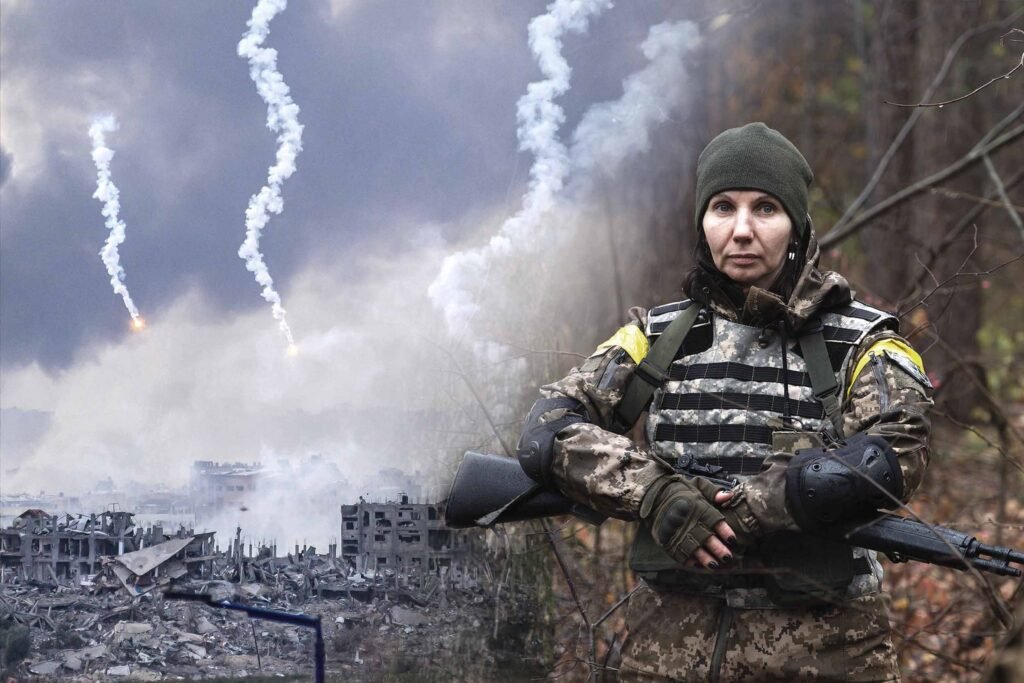
The modern conflict zone update ecosystem is a battlefield itself, where truth competes with propaganda, and satellite imagery clashes with social media narratives. From Ukraine to Gaza, Sudan to the South China Sea, the ability to accurately track and interpret these developments is essential for policymakers, journalists, investors, and concerned global citizens alike. This comprehensive guide from The Daily Explainer’s International Affairs section will equip you with the framework to understand, analyze, and critically assess conflict zone updates in today’s complex geopolitical landscape.
Part 1: Background and Context – The Evolution of Conflict Reporting
The way we receive and process conflict zone updates has undergone a revolutionary transformation, fundamentally changing how we perceive and engage with distant wars.
The Era of Delayed Dispatches (Pre-1990s)
For most of history, conflict zone updates traveled slowly. War correspondents filed reports via telegraph or mailed dispatches, leading to delays of days or even weeks. The public’s understanding was filtered through a small cadre of journalists, and governments maintained significant control over the narrative.
The 24-Hour News Cycle Revolution (1990s-2000s)
The first Gulf War (1990-1991) marked a turning point, with CNN broadcasting updates in near real-time. The 24-hour news cycle was born, creating an insatiable demand for fresh content. This increased the speed of reporting but also amplified the pressure to report quickly, sometimes at the expense of accuracy.
The Social Media and Citizen Journalism Explosion (2010-2015)
The Arab Spring demonstrated the power of social media as a tool for both organizing and reporting. Suddenly, anyone with a smartphone could provide a conflict zone update, bypassing traditional media gatekeepers. This democratized information but also made verification exponentially more difficult.
The Hybrid Information Warfare Era (2015-Present)
Modern conflicts are fought as much in the information space as on the physical battlefield. As we’ve analyzed in our piece on The Content Wars, state and non-state actors use sophisticated disinformation campaigns, deepfakes, and coordinated bot networks to shape narratives. A conflict zone update today must be treated not just as news, but as a potential piece of strategic communication.
Part 2: Key Concepts Defined
Navigating conflict zone updates requires understanding these essential terms:
Fog of War
The uncertainty in situational awareness experienced by participants in military operations. In media terms, it refers to the confusion and contradictory reports that inevitably emerge in the initial hours and days of a conflict development.
Information Warfare
The use and management of information to pursue a competitive advantage over an opponent, including propaganda, disinformation, and cyber attacks aimed at undermining the enemy’s decision-making capabilities.
Humanitarian Corridor
A demilitarized zone established in a conflict area to allow the safe passage of humanitarian aid and civilians. Updates about the opening or closing of these corridors are critical for understanding the humanitarian situation.
Ceasefire vs. Cessation of Hostilities
A ceasefire is typically a temporary, localized halt in fighting, while a cessation of hostilities is usually broader and more formal. The precise terminology in a conflict zone update matters greatly.
Disinformation vs. Misinformation
Disinformation is false information spread with the intent to deceive, often by state actors. Misinformation is false information shared without malicious intent. Both are rampant in conflict reporting.
Open-Source Intelligence (OSINT)
The collection and analysis of publicly available information (social media, satellite images, public records) to produce actionable intelligence. OSINT has become crucial for verifying conflict zone updates.
Proportionality (International Humanitarian Law)
A principle that prohibits attacks which may cause incidental loss of civilian life, injury to civilians, or damage to civilian objects that would be excessive in relation to the concrete and direct military advantage anticipated.
Non-State Armed Groups (NSAGs)
Militant or terrorist organizations that operate outside state control but wield significant military power (e.g., Hamas, Hezbollah, Wagner Group). Their actions often drive sudden conflict zone updates.
Part 3: How It Works: The Anatomy of a Reliable Conflict Zone Update (Step-by-Step)
Processing a conflict zone update responsibly requires a systematic approach to cut through the noise.
Step 1: Sourcing and Triage
The initial gathering of information from multiple streams.
- Primary Sources: Official statements from military commands, governments, and armed groups.
- Secondary Sources: Reports from established news agencies (Reuters, AP, AFP) and reputable journalists on the ground.
- Tertiary Sources: Social media posts, citizen journalism, and local media reports. These require heavy verification.
Step 2: Geolocation and Verification
Confirming where and when an event occurred.
- Satellite Imagery: Using services like Maxar or Planet Labs to verify troop movements, damage, or build-up.
- Social Media Verification: Cross-referencing user-generated content with known landmarks, weather conditions, and other verifiable posts from the same area.
- Eyewitness Corroboration: Seeking multiple, independent accounts of the same event.
Step 3: Contextual Analysis
Placing the update within the broader strategic picture.
- Historical Precedent: How does this event fit into the conflict’s history? Is it an escalation or a tactical shift?
- Strategic Objectives: What might each party be trying to achieve with this action? Is it a feint or a main effort?
- Political Timing: Does the update coincide with diplomatic meetings, elections, or other significant political events?
Step 4: Bias and Agenda Assessment
Identifying the narrative being pushed.
- Source Analysis: Who is providing the information, and what is their incentive? A military press release will naturally highlight successes and downplay failures.
- Language Scrutiny: Are the terms loaded or euphemistic? (“Collateral damage” vs. “civilian casualties”).
- Omission Check: What information is not being reported?
Step 5: Impact Assessment
Determining the potential consequences.
- Humanitarian Impact: How will this affect civilians? Displacement, access to food/water, medical needs?
- Military Impact: Does this change the tactical or strategic balance on the ground?
- Geopolitical Impact: How will allies and adversaries respond? Will it trigger wider intervention or diplomatic consequences?
Step 6: Synthesis and Reporting
Pulling everything together into a coherent assessment.
- Confidence Level: Clearly stating the likelihood that the update is accurate (e.g., “Confirmed,” “Likely,” “Unverified”).
- Multi-Source Synthesis: Weaving together information from official, journalistic, and open-source channels.
- Forward-Looking Analysis: Providing insight into what might happen next.
For a deeper understanding of the historical context of warfare, refer to our guide on The Evolution of Warfare.
Part 4: Why It’s Important – The Global Ripple Effects
Accurate conflict zone updates are not just academic; they have real-world consequences across multiple domains.
1. Humanitarian Aid and Civilian Protection
Humanitarian organizations like the International Committee of the Red Cross (ICRC) rely on accurate, timely information to direct aid, deploy staff, and negotiate access. A flawed conflict zone update can misdirect vital resources and endanger both aid workers and civilians.
2. Global Economic Stability
Modern conflicts disrupt global supply chains, energy markets, and agricultural production. An update about a ship attack in the Red Sea or a drone strike on a refinery can trigger immediate fluctuations in oil prices and shipping costs, impacting economies thousands of miles away.
3. Diplomatic and Foreign Policy
Governments base critical decisions—sanctions, military aid, peace talks—on the intelligence and reporting they receive. Misinformation can lead to flawed policy decisions with long-lasting consequences.
4. Public Awareness and Accountability
A well-informed public is essential for holding leaders and combatants accountable. Documenting war crimes and violations of international law often begins with a single, verified conflict zone update that triggers further investigation.
5. Strategic Military Planning
Allied and adversarial militaries monitor conflicts closely to learn about new tactics, technologies, and vulnerabilities. An update about the effective (or ineffective) use of a new drone system in Ukraine, for example, is studied intently in military academies worldwide.
Part 5: Common Misconceptions About Conflict Zone Updates
Several dangerous assumptions can lead to serious misinterpretations.
Misconception 1: “The First Report is Usually Right”
Reality: The initial fog of war means the first reports are often fragmentary, exaggerated, or completely wrong. Patience and verification are paramount.
Misconception 2: “Visual Evidence Doesn’t Lie”
Reality: Videos and photos can be staged, mis-dated, mis-captioned, or geolocated to the wrong place. Deepfake technology is making this even easier.
Misconception 3: “If Multiple Outlets Are Reporting It, It Must Be True”
Reality: News outlets often source from the same wire services or repeat each other’s reporting. A single, unverified claim can create an echo chamber of false confirmation.
Misconception 4: “There Are Always Two Clear Sides to a Story”
Reality: Many conflicts involve multiple state and non-state actors with shifting alliances. Reducing a complex conflict to a simple binary is a gross oversimplification.
Misconception 5: “The Most Dramatic Narrative is the Most Accurate”
Reality: Sensational claims often spread fastest. The truth is often more mundane and complex, and therefore less “viral.”
Part 6: Recent Developments in Conflict Monitoring
The field of conflict analysis is rapidly evolving with new technologies and challenges.
1. The AI Revolution in OSINT
Artificial intelligence is now used to:
- Scan thousands of hours of satellite imagery automatically for changes.
- Analyze social media posts for propaganda patterns and bot networks.
- Translate and transcribe foreign-language broadcasts and social media content in real-time.
2. The Proliferation of Commercial Satellite Imagery
Companies like Maxar, Planet, and BlackSky provide high-resolution imagery to news outlets and the public, making it much harder for militaries to hide large-scale movements and atrocities.
3. The Weaponization of Information
As seen in the Israel-Hamas conflict, actors have become adept at crafting parallel narratives for domestic and international audiences, making objective assessment incredibly difficult.
4. The Rise of Decentralized Reporting
Platforms like Telegram have become primary channels for both official statements and raw, unfiltered footage from the front lines, creating a decentralized and chaotic information environment.
5. Increased Targeting of Journalists
The number of journalists killed and detained in conflict zones is rising, creating “information black holes” and making it harder to get reliable, on-the-ground reporting.
Conclusion & Key Takeaways
Navigating the turbulent stream of conflict zone updates is a critical skill in the 21st century. It requires a blend of historical knowledge, technical understanding, and, most importantly, intellectual humility. The goal is not to be the first to know, but to have the clearest and most accurate understanding.
Key Takeaways:
- Prioritize Verification Over Velocity: In the age of misinformation, being right is more important than being first.
- Diversify Your Sources: Rely on a mix of official statements, reputable journalism, and OSINT to build a three-dimensional picture.
- Understand the Incentives: Always ask cui bono—who benefits?—from a particular narrative.
- Context is King: An isolated event means very little. Always place a conflict zone update within the broader strategic, historical, and political context.
- Embrace Uncertainty: It is perfectly acceptable to label a report as “unverified” or “developing.” Certainty in the fog of war is often an illusion.
The responsibility lies with both the producers and consumers of information to uphold standards of accuracy and humanity. For further analysis or to suggest a conflict for our team to monitor, please contact our research desk.
Frequently Asked Questions (FAQs)
Q1: What is the most reliable source for conflict zone updates?
There is no single “most reliable” source. The best practice is to use a combination of established international news agencies (like Reuters and AP), official UN and NGO reports, and trusted OSINT analysts, while always cross-referencing their information.
Q2: How can I verify a viral video or image from a conflict zone?
Start by looking for distinct landmarks, license plates, or vegetation that can help with geolocation. Use reverse image search tools. Check the weather in the alleged location on the date of the posting. Consult OSINT communities on social media who specialize in this work.
Q3: What’s the difference between a tactical victory and a strategic victory?
A tactical victory is a win in a specific, localized engagement (e.g., capturing a village). A strategic victory achieves a larger, war-defining objective (e.g., crippling the enemy’s command structure or winning the support of the local population). A war can be lost despite winning many tactical victories.
Q4: Why do casualty numbers from different sources vary so widely?
Casualty counts are highly politicized. Governments may underreport their own losses or overreport enemy losses. In active combat zones, it is physically difficult to count the dead and wounded accurately. Different organizations also use different methodologies (e.g., counting only confirmed deaths vs. including estimated missing persons).
Q5: What does “failing state” mean in the context of a conflict?
A failing state is one where the government can no longer perform its basic functions, such as providing security, maintaining public services, and controlling its territory. This vacuum often leads to the rise of armed non-state groups and prolonged conflict.
Q6: How do economic sanctions work as a tool in conflict?
Sanctions are designed to pressure a government or regime by restricting their access to the global financial system, technology, or goods. The goal is to make the cost of continuing a conflict or policy so high that they change their behavior. Their effectiveness is widely debated, as they often impact civilian populations most severely.
Q7: What is a proxy war?
A proxy war is a conflict where two or more opposing powers support combatants that serve their interests, rather than fighting each other directly. The Cold War was characterized by many proxy wars, and the model continues today in conflicts like Syria and Ukraine.
Q8: What is the role of the United Nations in modern conflicts?
The UN’s role can include authorizing peacekeeping missions, imposing sanctions, facilitating peace talks, and coordinating humanitarian aid. However, its ability to act is often hampered by the veto power of the five permanent members of the Security Council (the U.S., Russia, China, France, and the UK).
Q9: How can I help people in a conflict zone?
The most effective way is to donate to established, reputable humanitarian organizations that have the access and expertise to operate in dangerous environments, such as the Red Cross/Crescent, Doctors Without Borders (MSF), or the World Food Programme. Always research an organization before donating.
Q10: What is hybrid warfare?
Hybrid warfare is a military strategy that blends conventional warfare, irregular warfare, and cyberwarfare with other influencing methods, such as fake news, diplomacy, lawfare, and foreign electoral intervention. It is designed to blur the lines between war and peace, making it difficult for a state to attribute and respond to an attack.

What a information of un-ambiguity and preserveness of valuable familiarity on the topic of unpredicted emotions.
It’s hard to find experienced people for this subject,
however, you sound like you know what you’re talking about!
Thanks
Hola! I’ve been following your site for some time now and finally got the courage to go ahead and give you a shout
out from Lubbock Texas! Just wanted to tell you keep up the great work!
When I initially commented I clicked the “Notify me when new comments are added” checkbox and now each time a comment is added I get four emails with the same comment.
Is there any way you can remove me from that service?
Thanks!
I have been examinating out many of your posts and i must say nice stuff. I will surely bookmark your website.
You got a very good website, Sword lily I discovered it through yahoo.
Lovely just what I was looking for.Thanks to the author for taking his clock time on this one.
But a smiling visitant here to share the love (:, btw outstanding design and style. “Everything should be made as simple as possible, but not one bit simpler.” by Albert Einstein.