Introduction: Why This Matters
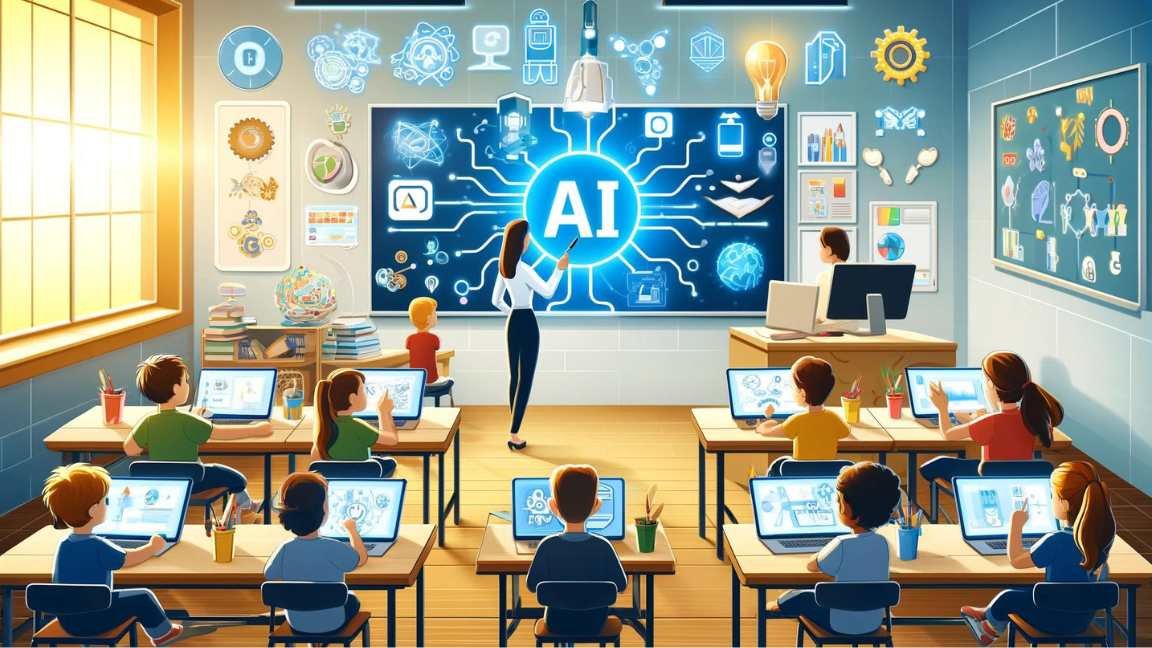
The integration of AI in education represents a fundamental shift in how we teach, learn, and assess educational outcomes. We are moving from standardized, one-size-fits-all educational models to personalized, adaptive learning experiences that can meet the unique needs of every student. The application of artificial intelligence education solutions is not merely enhancing existing educational practices—it’s redefining the very nature of learning in the digital age.
Consider the impact: AI systems can now provide real-time personalized feedback to students, identify learning gaps before they become problematic, and free up educators to focus on higher-value teaching activities. The global market for AI in education is projected to reach $25.7 billion by 2027, growing at a CAGR of 45.1% from 2020 to 2027. This rapid growth underscores the transformative potential of AI technologies in addressing some of education’s most persistent challenges, from achievement gaps to teacher workload.
This comprehensive guide explores how AI in education is revolutionizing teaching methodologies, enhancing learning outcomes, and creating new possibilities for educational accessibility. Understanding this transformation is crucial for educators, administrators, students, parents, and policymakers invested in the future of learning.
Part 1: Background and Context – The Evolution of Educational Technology
The journey toward AI in education has evolved through several distinct technological eras, each building upon the last:
The Traditional Classroom Era (Pre-1980s)
Education relied on teacher-centered instruction, standardized curricula, and physical learning materials. Assessment was primarily summative, and personalized learning was limited by practical constraints.
The Computer-Based Learning Era (1980s-2000s)
The introduction of computers in classrooms and early educational software marked the beginning of technology integration. This era saw the emergence of computer-assisted instruction but remained largely supplemental to traditional teaching methods.
The Digital Learning Era (2000-2015)
The rise of the internet, learning management systems (LMS), and online courses created new possibilities for distance learning and digital content delivery. However, these systems often replicated traditional models in digital formats without significant pedagogical innovation.
The AI-Powered Education Era (2015-Present)
The current era of AI in education represents a fundamental shift from digitization to intelligentization. With advances in machine learning, natural language processing, and data analytics, educational systems can now adapt to individual learning styles, provide instant feedback, and identify optimal learning pathways for each student.
As Sal Khan, founder of Khan Academy, predicts: “AI could be the biggest positive transformation that education has ever seen.” This shift from standardized to personalized learning is what makes the current transformation in AI in education fundamentally different from previous technological upgrades.
Part 2: Key Concepts Defined
Understanding AI in education requires familiarity with several key concepts and technologies:
Adaptive Learning Systems
AI-powered platforms that adjust the difficulty and type of educational content based on individual student performance and learning patterns.
Intelligent Tutoring Systems (ITS)
AI systems that provide immediate, personalized feedback and guidance to students, simulating one-on-one human tutoring.
Learning Analytics
The measurement, collection, analysis, and reporting of data about learners and their contexts, for understanding and optimizing learning and environments.
Natural Language Processing (NLP) in Education
AI technologies that enable computers to understand, interpret, and generate human language for applications like automated essay scoring and language learning.
Educational Data Mining
Techniques for extracting meaningful patterns from educational data to inform teaching practices and improve learning outcomes.
Personalized Learning Pathways
AI-generated customized learning journeys that adapt to individual student needs, interests, and pace of learning.
Automated Assessment Systems
AI tools that can evaluate student work, from multiple-choice questions to complex written responses and projects.
Educational Chatbots
AI-powered conversational agents that provide student support, answer questions, and guide learning processes.
Part 3: How It Works: Implementing AI in Education (Step-by-Step)
The successful implementation of AI in education follows a structured, pedagogically sound approach:
Step 1: Educational Need Analysis and Goal Setting
Begin by identifying specific educational challenges where AI can provide meaningful solutions:
- Conduct learning gap analysis across student populations
- Identify opportunities for personalized learning intervention
- Assess existing technological infrastructure and readiness
- Define measurable educational outcomes and success metrics
Step 2: Data Infrastructure and Learning Analytics Setup
Educational data requires careful management and ethical handling:
- Integrate data from LMS, student information systems, and learning apps
- Implement data privacy and security protocols compliant with FERPA
- Establish learning data standards and interoperability frameworks
- Create dashboards for teachers, administrators, and students
According to research analyzed in our education technology case studies, institutions that establish robust data foundations see 40% better learning outcomes from AI interventions.
Step 3: AI Tool Selection and Customization
Choose and adapt AI solutions to educational contexts:
- Evaluate AI tools against educational objectives
- Customize algorithms for specific learning domains
- Ensure accessibility and universal design principles
- Conduct pilot testing with representative student groups
Step 4: Teacher Training and Professional Development
Prepare educators for AI-enhanced teaching:
- Develop AI literacy programs for teaching staff
- Create communities of practice for AI tool usage
- Provide ongoing technical and pedagogical support
- Establish feedback mechanisms for continuous improvement
Step 5: Curriculum Integration and Pedagogical Alignment
Integrate AI tools into teaching and learning processes:
- Align AI tools with curriculum standards and learning objectives
- Design AI-enhanced lesson plans and activities
- Develop assessment strategies that leverage AI capabilities
- Create guidelines for balanced technology use
Step 6: Implementation and Scaling
Roll out AI solutions across the institution:
- Start with controlled pilot programs
- Gather stakeholder feedback and make adjustments
- Develop scaling strategies based on pilot results
- Establish ongoing monitoring and evaluation systems
As detailed in The Daily Explainer’s guide to educational technology integration, institutions that follow comprehensive implementation frameworks achieve 55% higher teacher adoption rates and significantly improved student engagement.
Part 4: Why It’s Important – The Impact of AI on Education
The significance of AI in education extends across multiple dimensions of teaching and learning:
1. Personalized Learning at Scale
AI enables truly individualized education through:
- Adaptive learning paths based on student performance
- Customized content recommendations
- Pace adjustment according to learning needs
- Identification of optimal learning modalities
Research from the U.S. Department of Education shows that personalized learning approaches can accelerate student achievement by 30% compared to traditional methods.
2. Enhanced Teacher Effectiveness
AI supports educators by:
- Automating administrative tasks and grading
- Providing insights into student learning patterns
- Identifying students needing additional support
- Freeing time for higher-value teaching activities
3. Improved Accessibility and Inclusion
AI technologies make education more accessible through:
- Real-time language translation for ESL students
- Accessibility features for students with disabilities
- Adaptive interfaces for diverse learning needs
- Tools for identifying and addressing learning barriers
4. Data-Driven Educational Decision Making
AI enables evidence-based education through:
- Early warning systems for at-risk students
- Program effectiveness analysis
- Resource allocation optimization
- Curriculum improvement insights
5. Lifelong and Workplace Learning
AI supports continuous education through:
- Skill gap analysis and recommendation
- Micro-learning and just-in-time training
- Career pathway planning
- Professional development optimization
6. Global Educational Access
AI can help bridge educational divides through:
- Low-cost personalized tutoring
- Language-independent learning tools
- Scalable quality education delivery
- Cross-cultural educational exchange
Part 5: Common Misconceptions About AI in Education
Several myths often hinder the effective implementation of educational AI:
Misconception 1: “AI Will Replace Teachers”
Reality: AI augments and supports teachers by handling administrative tasks and providing insights, enabling educators to focus on relationship-building, mentorship, and complex instructional strategies.
Misconception 2: “AI in Education is Only for STEM Subjects”
Reality: AI applications span all disciplines, from automated essay scoring in humanities to interactive historical simulations in social studies and creative arts applications.
Misconception 3: “AI Personalization Means Students Learn Alone”
Reality: The most effective AI systems enhance collaborative learning by identifying optimal group compositions and facilitating peer learning interactions.
Misconception 4: “Educational AI is Too Expensive for Most Schools”
Reality: Cloud-based solutions and scalable pricing models are making educational AI increasingly accessible to institutions of all sizes and budgets.
Misconception 5: “AI Algorithms Are Biased and Will Perpetuate Inequalities”
Reality: While bias is a legitimate concern, responsible AI development includes rigorous bias testing, diverse training data, and continuous monitoring to ensure equitable outcomes.
Part 6: Recent Developments in AI Education
The field of AI in education is advancing rapidly, with several groundbreaking developments:
1. Generative AI for Educational Content
The emergence of large language models is transforming educational content creation:
- Automated lesson plan generation
- Customized learning material creation
- Interactive story and scenario development
- Multilingual educational content production
According to recent analysis by EDUCAUSE, 68% of educational institutions are experimenting with generative AI for content creation and student support.
2. Emotion AI and Engagement Analytics
Advanced systems that can detect and respond to student engagement:
- Facial expression analysis for engagement monitoring
- Natural language processing for sentiment analysis
- Adaptive interventions based on emotional state
- Early identification of student frustration or disengagement
3. AI-Powered Language Learning
Revolutionary approaches to language acquisition:
- Real-time pronunciation correction
- Contextual vocabulary building
- Cultural context integration
- Personalized language practice scenarios
4. Virtual Reality and AI Integration
Immersive learning experiences enhanced by AI:
- Intelligent virtual lab assistants
- Adaptive simulation scenarios
- Real-time performance feedback in virtual environments
- Personalized virtual field trips
5. Competency-Based Education AI
Systems that focus on skill mastery rather than time-based learning:
- Dynamic skill assessment and tracking
- Personalized competency development paths
- Micro-credential and badge recommendation
- Workforce skill alignment
6. Ethical AI Education Frameworks
Developing guidelines for responsible educational AI:
- Student data privacy standards
- Algorithmic transparency requirements
- Bias detection and mitigation protocols
- Digital citizenship integration
Conclusion & Key Takeaways
AI in education represents a fundamental transformation in how we approach teaching and learning. It’s evolving from experimental applications to essential tools that enhance educational accessibility, personalization, and effectiveness.
Key Takeaways:
- Human-AI Collaboration: The most successful implementations of AI in education create powerful partnerships between teachers and technology, enhancing human expertise rather than replacing it.
- Equity and Access Focus: Educational AI must be designed and implemented with careful attention to bridging rather than widening educational inequalities.
- Teacher Professional Development: Successful integration requires comprehensive teacher training and ongoing support to build AI literacy and pedagogical integration skills.
- Ethical Implementation Imperative: Educational AI demands rigorous attention to data privacy, algorithmic fairness, transparency, and responsible use practices.
- Pedagogical Leadership: Technology should follow educational objectives, not drive them. AI implementation must be guided by sound pedagogical principles and learning science.
- Continuous Evaluation and Improvement: Educational AI systems require ongoing assessment, feedback mechanisms, and adaptation to ensure they’re meeting learning objectives.
- Student-Centered Design: All educational AI should ultimately serve student needs—enhancing engagement, supporting mastery, and fostering lifelong learning skills.
The integration of AI in education is still in its early stages, with tremendous potential for future innovation. Educational institutions that approach this transformation with strategic vision, ethical commitment, and focus on pedagogical excellence will lead the way in creating the future of learning—a future where AI-powered education is more personalized, engaging, and effective for all learners.
For more insights on implementing AI in educational settings, explore our comprehensive educational AI strategy guide and stay updated with the latest developments in learning technology innovation.
About The Author