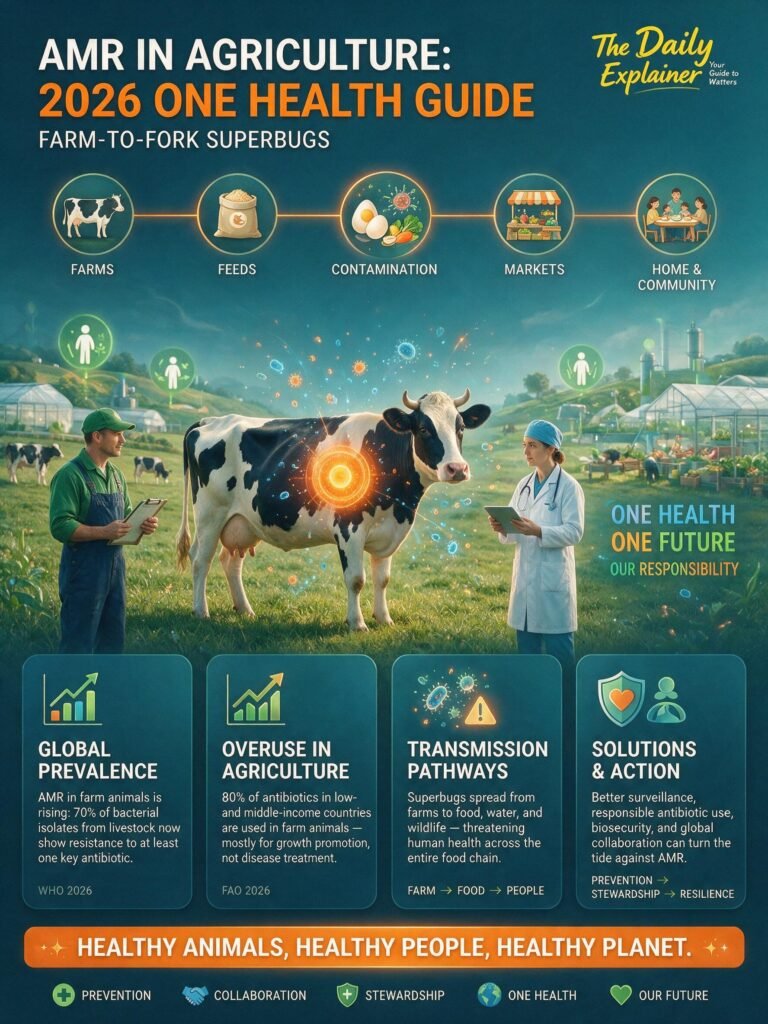
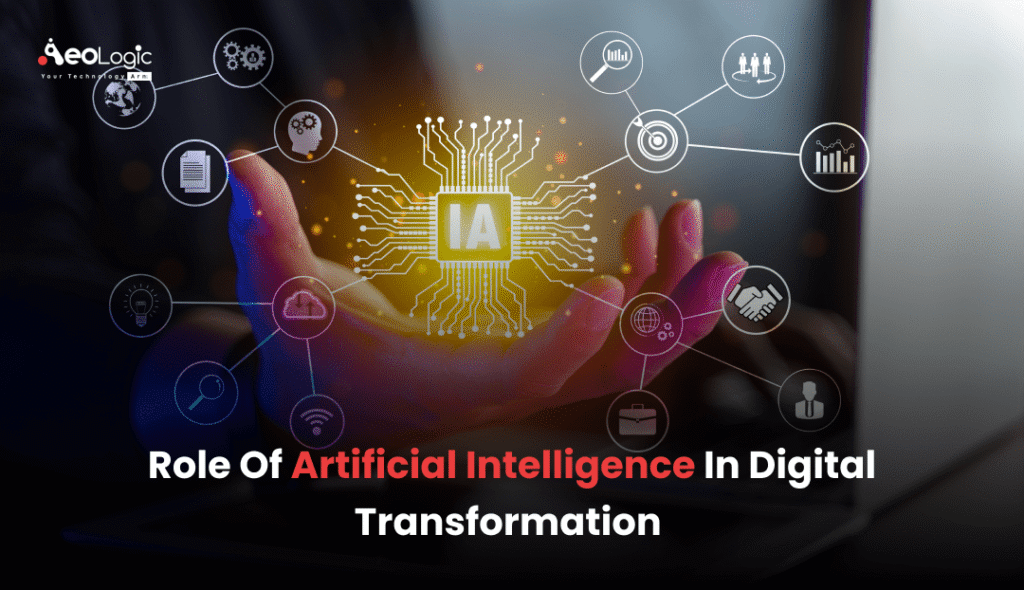
Figure 1: Modern AI-driven dashboard enabling data-informed business transformation decisions
Introduction: Why This Matters
We are witnessing a fundamental shift in how businesses operate, compete, and create value. AI-powered digital transformation represents the most significant business revolution since the industrial age, merging artificial intelligence with digital technologies to create intelligent, adaptive, and self-optimizing organizations. This isn’t just about automating tasks or moving processes online—it’s about fundamentally reimagining how businesses function in an AI-driven world.
The companies that successfully implement AI-powered digital transformation are achieving unprecedented levels of efficiency, customer insight, and innovation. From personalized customer experiences to predictive supply chain management, AI is becoming the core engine that drives business growth and competitive advantage. According to recent studies, organizations that fully embrace AI-powered digital transformation are seeing up to 50% higher revenue growth and 60% higher profit margins compared to their competitors.
This comprehensive guide will explore how AI-powered digital transformation is reshaping the business landscape, providing you with the knowledge and strategies to lead your organization through this transformative journey. Understanding this shift is no longer optional—it’s essential for survival and success in the modern business environment.
Part 1: Background and Context – The Evolution of Digital Transformation
Digital transformation isn’t a new concept, but the integration of artificial intelligence has fundamentally changed its nature and potential impact. The journey has evolved through several distinct phases:
The Pre-Digital Era (Pre-1990s)
Businesses operated primarily through manual processes and analog systems. Transformation was slow, and competitive advantages were built on physical assets and traditional business practices. Communication relied on memos, meetings were in-person, and data analysis meant reading through paper reports.
The Digitalization Wave (1990s-2000s)
The rise of the internet and enterprise software marked the first wave of true digital transformation. Companies focused on moving existing processes online and implementing systems like ERP and CRM. This era was characterized by efficiency gains through automation but lacked intelligent decision-making capabilities. Businesses could process information faster, but the thinking was still entirely human.
The Mobile and Cloud Revolution (2010-2015)
The proliferation of smartphones and cloud computing enabled new business models and customer engagement strategies. Companies like Uber and Airbnb demonstrated how digital platforms could disrupt traditional industries, but these transformations were still largely rules-based. The systems could execute predefined processes efficiently but couldn’t learn or adapt on their own.
The AI-Powered Era (2015-Present)
The current phase of AI-powered digital transformation represents a quantum leap beyond previous approaches. With advances in machine learning, natural language processing, and computer vision, businesses can now build systems that learn, adapt, and make intelligent decisions autonomously.
As research from McKinsey Digital shows, companies that leverage AI in their transformation efforts are 1.5 times more likely to report revenue growth of more than 10 percent. This shift from digitization to intelligentization is what separates true AI-powered digital transformation from previous technological upgrades.
Part 2: Key Concepts Defined
To fully grasp AI-powered digital transformation, it’s essential to understand the key concepts that form its foundation:
Digital Transformation
The integration of digital technology into all areas of a business, fundamentally changing how you operate and deliver value to customers. It’s a cultural change that requires organizations to continually challenge the status quo, experiment, and get comfortable with failure. Unlike simple digitization (converting analog to digital), transformation changes the core business model.
Artificial Intelligence (AI)
The simulation of human intelligence processes by machines, especially computer systems. These processes include learning, reasoning, and self-correction. In the context of AI-powered digital transformation, AI serves as the cognitive layer that enhances digital systems, enabling them to perform tasks that typically require human intelligence.
Machine Learning (ML)
A subset of AI that enables systems to learn and improve from experience without being explicitly programmed. ML algorithms use statistical methods to find patterns in data and make predictions or decisions. As explained in our Detailed Explanations section, machine learning forms the backbone of most practical AI applications in business today.
Deep Learning
A more complex form of machine learning inspired by the structure and function of the human brain. Deep learning algorithms can process unstructured data like images, text, and audio, making them crucial for advanced AI-powered digital transformation initiatives such as computer vision and natural language processing.
Neural Networks
Computing systems modeled after the human brain’s neural networks. These are particularly effective for pattern recognition and form the basis of many advanced AI applications in digital transformation. They consist of interconnected nodes that process information in layers, enabling complex decision-making.
Natural Language Processing (NLP)
The ability of computers to understand, interpret, and generate human language. NLP is essential for chatbots, voice assistants, and sentiment analysis in AI-powered digital transformation. It enables machines to understand human communication in context.
Computer Vision
The field of AI that enables computers to interpret and understand the visual world. This technology is driving innovations in quality control, autonomous vehicles, and medical imaging as part of AI-powered digital transformation. It allows machines to “see” and understand visual information.
Part 3: How It Works: Implementing AI-Powered Digital Transformation (Step-by-Step)
Successful AI-powered digital transformation follows a structured approach. Here’s a comprehensive step-by-step framework:
Step 1: Strategic Assessment and Vision Setting
Begin by assessing your organization’s current digital maturity and defining a clear vision for AI transformation. This involves:
- Conducting a comprehensive digital maturity assessment across all business units
- Identifying key business challenges and opportunities where AI can create value
- Defining measurable objectives and KPIs aligned with business goals
- Securing executive sponsorship and building a transformation roadmap with clear milestones
According to research from Harvard Business Review, companies that start with a clear strategic vision are 2.3 times more likely to achieve their transformation objectives.
Step 2: Data Foundation and Infrastructure
AI systems are only as good as the data they’re trained on. This critical phase involves:
- Auditing existing data sources, quality, and accessibility across the organization
- Implementing data governance frameworks to ensure data quality and security
- Building data pipelines and storage infrastructure capable of handling AI workloads
- Ensuring data security and compliance with regulations like GDPR and CCPA
Step 3: AI Technology Stack Selection
Choose the right technologies for your transformation journey:
- Selecting cloud platforms (AWS, Azure, Google Cloud) based on AI capabilities and integration needs
- Choosing AI/ML frameworks and tools that align with your technical capabilities
- Implementing data processing and analytics platforms that can scale with your needs
- Selecting integration and API management tools to connect AI systems with existing infrastructure
Step 4: Pilot Projects and Proof of Concepts
Start with focused pilot projects to demonstrate value and build momentum:
- Identify low-risk, high-impact use cases that can show quick wins
- Implement agile development methodologies to iterate quickly
- Measure results against predefined metrics and business outcomes
- Document lessons learned and best practices for scaling
Step 5: Scaling and Integration
Expand successful pilots across the organization:
- Develop scaling strategies and change management plans for enterprise-wide adoption
- Integrate AI capabilities into existing business processes and workflows
- Implement continuous monitoring and improvement systems to maintain performance
- Build centers of excellence for AI and digital innovation to sustain momentum
Step 6: Cultural Transformation and Skill Development
The human element is crucial for sustainable transformation:
- Implement training and upskilling programs to build AI literacy across the organization
- Foster a culture of experimentation, innovation, and data-driven decision making
- Develop new organizational structures and roles to support AI initiatives
- Establish continuous learning mechanisms to keep pace with AI advancements
For organizations needing guidance with these steps, our team at The Daily Explainer Contact can provide expert consultation and support throughout the transformation journey.
Part 4: Why It’s Important – The Business Impact of AI-Powered Digital Transformation
The significance of AI-powered digital transformation extends far beyond technological upgrades. It delivers tangible business value across multiple dimensions:
1. Enhanced Customer Experiences
AI enables hyper-personalization at scale through:
- Predictive customer behavior analysis that anticipates needs and preferences
- Real-time personalization engines that customize experiences across touchpoints
- Intelligent customer service chatbots that provide instant, accurate support
- Proactive issue resolution and recommendations that increase customer satisfaction
Companies that implement AI-driven personalization see average revenue increases of 15-20%, according to research from Forrester. This demonstrates the direct financial impact of AI-powered customer experience transformation.
2. Operational Efficiency and Automation
AI transforms back-office and operational processes through:
- Intelligent process automation that handles repetitive tasks with human-like judgment
- Predictive maintenance in manufacturing that reduces downtime and costs
- Optimized supply chain management that anticipates disruptions and opportunities
- Automated quality control and compliance that ensures consistency and reduces errors
3. Data-Driven Decision Making
AI-powered digital transformation enables organizations to move from intuition-based to data-driven decision making through:
- Advanced analytics and forecasting that predict market trends and customer behavior
- Real-time business intelligence that provides immediate insights into operations
- Predictive modeling and scenario planning that prepares organizations for various futures
- Automated reporting and insights generation that frees up analytical resources
4. Innovation and New Business Models
AI opens up entirely new revenue streams and business models:
- AI-as-a-Service offerings that create new revenue opportunities
- Outcome-based business models that align value delivery with customer success
- Platform-based ecosystems that connect multiple stakeholders
- Data-driven products and services that leverage organizational data assets
5. Competitive Advantage and Market Positioning
Early adopters of AI-powered digital transformation are building significant competitive moats through:
- Faster time-to-market for new offerings and features
- Superior customer insights and engagement capabilities
- Operational excellence and cost leadership through automation
- Attraction and retention of top talent interested in working with cutting-edge technology
Part 5: Common Misconceptions About AI-Powered Digital Transformation
Several myths and misunderstandings often hinder successful implementation:
Misconception 1: “AI-Powered Digital Transformation is Just About Technology”
Reality: While technology is crucial, successful transformation requires equal focus on people, processes, and culture. The most successful organizations approach it as a business-led initiative with technology as an enabler. Transformation fails when it’s treated as an IT project rather than a business strategy.
Misconception 2: “We Need to Transform Everything at Once”
Reality: Successful transformation typically follows a phased approach. Starting with pilot projects and scaling gradually allows organizations to learn, adapt, and build momentum while managing risk effectively. Attempting to transform everything simultaneously often leads to overwhelm and failure.
Misconception 3: “AI Will Replace All Human Workers”
Reality: AI-powered digital transformation is more about augmentation than replacement. AI handles repetitive tasks and provides insights, while humans focus on strategic decision-making, creativity, and emotional intelligence. The most successful implementations create human-AI collaboration.
Misconception 4: “Only Tech Companies Need AI Transformation”
Reality: Every industry, from manufacturing to healthcare to retail, is being transformed by AI. According to Accenture’s research on AI adoption, companies across all sectors are investing in AI transformation, with early adopters already seeing significant benefits.
Misconception 5: “AI Implementation Guarantees Immediate Results”
Reality: AI-powered digital transformation is a journey that requires sustained investment, experimentation, and continuous improvement. Realistic expectations and long-term commitment are essential for success. Most organizations see meaningful results within 12-18 months, not immediately.
Part 6: Recent Developments in AI-Powered Digital Transformation
The field of AI-powered digital transformation is evolving rapidly, with several key trends shaping its future:
1. Generative AI Integration
The emergence of large language models and generative AI is accelerating transformation initiatives:
- AI-powered content creation and personalization at unprecedented scale
- Advanced code generation and software development acceleration
- Intelligent document processing and analysis that understands context
- Enhanced creative design and prototyping capabilities
According to Gartner’s latest AI trends report, generative AI will become a standard component in 70% of custom applications by 2026, making it essential for digital transformation strategies.
2. Edge AI and IoT Convergence
The combination of AI with edge computing and IoT is enabling real-time intelligence at the source:
- Smart manufacturing with real-time quality control and predictive maintenance
- Autonomous vehicle systems that process information locally for immediate response
- Real-time retail analytics that optimize inventory and customer experiences
- Healthcare monitoring and diagnostics that provide immediate insights
3. Responsible AI and Ethical Frameworks
As AI becomes more pervasive, organizations are focusing on ethical implementation:
- AI governance and compliance frameworks that ensure responsible use
- Bias detection and mitigation techniques that promote fairness
- Transparent AI decision-making that builds trust with stakeholders
- Privacy-preserving AI techniques that protect sensitive information
4. AI-as-a-Service (AIaaS) Platforms
The democratization of AI through cloud-based services is accelerating adoption:
- Pre-built AI models and APIs that reduce development time and cost
- No-code/low-code AI platforms that enable business users to create AI solutions
- Automated machine learning (AutoML) that simplifies model development
- Specialized industry AI solutions tailored to specific business needs
5. Quantum Computing Readiness
While still emerging, quantum computing is beginning to influence AI transformation strategies:
- Quantum machine learning research that explores new computational paradigms
- Optimization problem solving for complex business challenges
- Cryptographic security enhancements that protect AI systems and data
- Drug discovery and material science applications with transformative potential
Conclusion & Key Takeaways
AI-powered digital transformation represents a fundamental shift in how businesses create value and compete in the digital age. It’s no longer a competitive advantage but a necessity for survival and growth in an increasingly AI-driven world.
Key Takeaways:
- AI is the New Foundation: AI-powered digital transformation is becoming the core operating model for modern businesses, enabling intelligence, adaptability, and continuous innovation across all functions.
- Start with Strategy, Not Technology: Successful transformation begins with clear business objectives and a comprehensive strategy that aligns technology with organizational goals and customer needs.
- Data is the Fuel: The quality and accessibility of your data determine the success of your AI initiatives. Invest in robust data foundations, governance, and quality management from the beginning.
- Cultural Change is Critical: Technology alone cannot drive transformation. Fostering a culture of innovation, experimentation, and continuous learning is essential for long-term success and adoption.
- Adopt a Phased Approach: Begin with focused pilot projects, demonstrate value, and scale gradually. This approach manages risk while building momentum and organizational buy-in across departments.
- Focus on Augmentation: The most successful transformations enhance human capabilities rather than replace them, creating symbiotic relationships between people and AI systems that leverage the strengths of both.
- Ethics and Responsibility Matter: As AI becomes more powerful, responsible implementation that considers ethical implications, bias mitigation, and transparency becomes increasingly important for trust and sustainability.
The journey of AI-powered digital transformation is ongoing and evolving. Organizations that embrace this transformation with strategic vision, operational excellence, and cultural adaptability will not only survive but thrive in the intelligent economy of the future. The time to begin or accelerate your transformation journey is now—the future belongs to those who can harness the power of AI to reinvent themselves and their industries.
For organizations ready to start this journey, our comprehensive resources at The Daily Explainer Learning Center provide additional guidance, case studies, and best practices for successful AI-powered digital transformation.
About The Author